While Spring might be finally on its way, unfortunately the winter colds and flu are still in circulation. Leading virologist Professor Marc Van Ranst explores some of the origins of infection control and explains why he would like to see cloth handkerchiefs consigned to the history books.
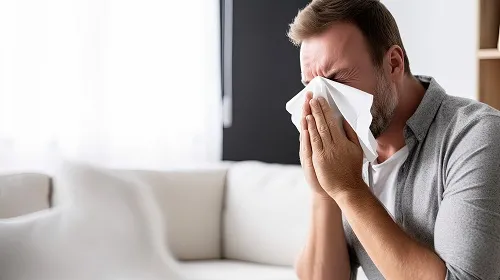
The Handkerchief: A Time-Honored Tradition
Personal hygiene has depended heavily on handkerchiefs for an entire century throughout history. During the 16th century, scholar Erasmus advocated that catching nasal secretions in a cloth was the appropriate method which remained popular up to modern times. Cloth handkerchiefs evolved from their practical use into fashion items as well as status indicators which additionally served as romantic communication tools. Victorian women devised secret handkerchief signals as a communication method to express romance when opening themselves up to courtship.
Throughout the 1918 Spanish flu pandemic, public health initiatives urged people to use handkerchiefs as a tool for sneeze and cough containment. When people became more familiar with germs, the respect for cleanliness grew to become a pressing concern. Putting a previously used handkerchief in your pocket allowed germs along with viruses to multiply and caused both reinfection and transmission of illnesses.
The Rise of Disposable Tissues
The 1930s witnessed Kleenex and Tempo with other disposable tissue manufacturing operations that provided customers with a more sanitary option. The marketplace transitioned toward single-use products instead of cloth handkerchiefs because they delivered better sanitation measures along with ease of use. Tissue production in modern times has become environmentally conscious by processing wood fibers from recycled materials through sustainable processes which decrease both power and water usage.
Time to Say Goodbye
Pastel-colored cloth handkerchiefs maintain their sentimental appeal, yet modern products have better practical advantages. The commitment to dispose tissues becomes stronger because we have improved our hygiene practices as well as environmental sustainability. If you maintain a drawer filled with washable plies that received recent ironing treatment, then you should consider transforming or recycling them. Let’s adopt a cleaner and healthier perspective toward the future.
Marc Van Ranst is a virologist at KU Leuven. His column appears biweekly in De Morgen. This piece was originally published in De Morgen – newspaper – 10/01/2025