
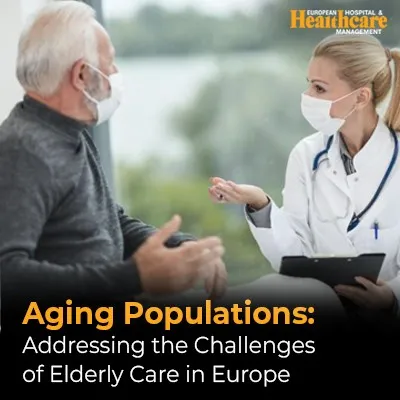
Aging Populations: Addressing the Challenges of Elderly Care in Europe
Harry Callum, Editorial Team, European Hospital & Healthcare Management
Demography is in its turn puts forward questions concerning the healthcare system, elderly care and economic factors in Europe. Solving these problems necessitate policy developments, the encouragement of healthy aging, the adoption of a coordinated care model, encouragement of caregivers, and staff development. About this, an effective solution means a lot to avail the highest form of quality and sustainable care to the aging population.
Introduction:
The ratio of elderly people in the European population is constant and also the demand for the corresponding services and products. The fact that brings many problems of interest for health care organizations, governments, and the society as a whole is this demographic change. These are the areas where intervention is required to deliver the best care that is essential for the older population hurdles should be addressed, and ideas about how they could be overcome should be searched for to guarantee that seniors receive the necessary and proper care.
The Aging Population Trend
It may sound hard to believe, but Europe today can be considered one of the most aged population on the globe. Data from Eurostat reveal that the share of population comprising persons aged 65 years or more will increase rather steeply in the next few decades. This trend has been occasioned by persons living longer and coming up with reduced numbers of children. Consequently, the demand of the elderly in need of care is on the rise, for healthcare institutions and social services.
Challenges in Elderly Care
1. Healthcare System Strain
The number one social issue that results from having more vulnerable elderly people is that it exerts a lot of pressure on the health facilities. Many older adults have more than one chronic condition, and get multiple and ongoing primary and specialty care. These conditions have to be effectively managed by the healthcare providers while being also conscious of the issue of resource use. This has implications for extending waiting times and or even fears of shortage of human resources in the health care services.
2. Long-Term Care Needs
Cohort effects are also found in the fact that many elderly people need long-term care most of the time demanding such services as bathing, dressing and even feeding. It can be delivered in any of the long-term care sectors such as the nursing home, assisted living or through home care. The task is to make these services available at reasonable cost and, at the same time, of high quality. There is also an increasing demand for carers and so becomes a financial strain to families and the state.
3. Economic Impact
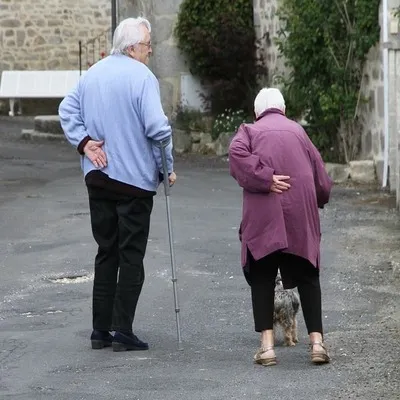
The effects of an ageing demography are far-reaching in the economics of the country.
This is so because as the number of retiree’s rises, there may be a decline in the number of people in the working-age, meaning that the economy output will reduce while the pressure on pension fund will increase. The most difficult problem for the government and other politicians is to meet the needs of elderly people and the economic realities of the country at the same time.
4. Social Isolation
Another concern that plague the elderly is that they feel lonely especially those who live alone or are in nursing homes. The social contacts are very important for the human beings and including all the emotional and attitudes of the people and if someone is socially isolated he can be depressed as well as many other diseases. To counter this problem, community mobilization has to be attempted alongside creating social support structures.
5. Healthcare Workforce Shortages
The world is experiencing a shortage of trained care givers to attend to the ever increasing ageing population. These include physicians, registered nurses, home health aides and personal care attendants. Caring for such professionals is very crucial especially in the retention of health professional specialized in this area. Nevertheless, it is important that caregivers receive continual education so that they may be prepared to meet the challenges of elder care.
Potential Solutions
a. Policy and Funding Innovations
Public authorities can pass measures that consider the fiscal and organizational problems of caring for older people. This may cover such measures as increasing the finance to the services for elderly people’s care, encouraging home care services, and improving the family carers’ support. Telecommunications and information technologies as well as lengthened distance remote checkup can in like manner enhance the quality of care and decrease cost.
b. Promotion of Healthy Aging
Promoting improved health and reducing risks can improve the quality of life and maintain their health and independence for longer. Wellness promotion as pertains physical exercise, health education awareness as well as available and accessible programs to fight obesity and other diseases helps in healthy aging.
c. Integration of Care Services
Encompassing this care means incorporating medical, nursing, social and other assistance from health care, social and other support systems as may suit elderly people. Integrated and coordinated care eliminates cases where there are gaps and instances where a health care provider has to repeat themselves to different carers making the whole process more effective.
d. Supporting Caregivers
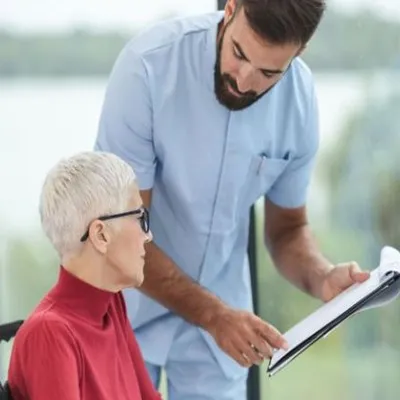
Caring for the family caregivers is important as well.
These can involve providing legally mandated compulsory care, donation, and educational services such as respite care, financial and other related assistance etc. Appreciating the fact that caregivers have a significant responsibility in the management of their patients also assists in reducing some of the challenges that the caregivers experience and also enhances the kind of care that the caregivers are able to offer.
e. Enhancing Workforce Training
There is need for health facility investment on education and training on elderly care professionals. These are not only the questions of attraction of newcomers but also the questions of professional training and development of the workers to keep the high level of care.
Conclusion
These challenge areas need multi-sectoral collaboration of the European health policy makers and health care services and population. This entry will discuss various concerns of the ageing population in Europe and the possible strategies in addressing them to help improve the lives of the elderly. In light of such a change, preventative approaches and strategic thinking will come in handy in helping unravel the care frameworks for the elderly as well as production of decent architecture for a proper future.

Harry Callum, a key member of the editorial team at European Hospital & Healthcare Management, consistently produces engaging and informative content. His ability to break down complex healthcare topics into easily understandable terms allows the team to effectively share timely and relevant information with healthcare professionals around the world.