
Cooperative Care Pathways for Heart Failure in France: The Role of ISPIC Nurses in Clinical Practice
Dr. Dario Bottigliero, Cardiologist and Head of Department, Centre Hospitalier Victor Jousselin
Sabrina Alonso, Head Nurse, Cardiology, Centre Hospitalier Victor Jousselin
Malika Lamri, First Nurse, Heart Failure and Patient Care Optimisation, Centre Hospitalier Victor Jousselin
Nina Boxberger, Second Nurse, Heart Failure, Centre Hospitalier Victor Jousselin
Heart failure care in France increasingly relies on structured cooperation between cardiologists and specially trained nurses working under national protocols. ISPIC nurses support long-term follow-up through clinical monitoring, protocol-based treatment adjustments, telemonitoring reviews, and ongoing patient education, thereby improving care continuity, early detection of deterioration, and patient engagement.
Introduction:
The organisation of heart failure care in France increasingly relies on structured cooperation between cardiologists and nurses working under nationally authorised protocols. These cooperation pathways are designed to support the long-term management of a complex chronic condition that requires frequent clinical assessment, therapeutic adjustments, and sustained patient education.
Within this framework, several hospitals across France have integrated ISPIC nurses (Infirmières au sein d’un Protocole de Coopération en Insuffisance Cardiaque) into their cardiology services. The experience described here refers to one hospital located in the Eure-et-Loir department and reflects how such cooperation protocols may be applied in routine clinical practice.
Heart Failure and the Need for Organised Follow-Up
Heart failure is characterised by periods of relative stability interspersed with episodes of clinical deterioration. Preventing decompensation depends on early identification of symptoms, optimisation of guideline-directed medical therapy, and close monitoring of treatment tolerance. These requirements generate a need for frequent follow-up that may be difficult to sustain through physician-led consultations alone.
In response, French healthcare policy has progressively supported task-sharing arrangements that allow trained nurses to assume defined clinical responsibilities. In heart failure care, ISPIC protocols represent one such approach, providing a regulated structure for nursing involvement in follow-up and therapeutic management.
ISPIC Nurses in the French Healthcare System
ISPIC nurses practice within a nationally defined regulatory framework that governs medical–nursing cooperation. These protocols specify eligibility criteria for patients, required training for nurses, delegated clinical acts, and decision thresholds requiring medical intervention.
Nurses authorised to work within an ISPIC protocol receive additional education in heart failure pathophysiology, pharmacology, clinical assessment, and patient education. Their role is not limited to technical execution but includes clinical reasoning within clearly established boundaries.
Across clinical settings, ISPIC nurses are typically involved in:
- Conducting structured follow-up consultations
- Assessing symptoms, functional status, and vital parameters
- Participating in medication titration according to protocol algorithms
- Providing repeated and individualised patient education
- Reviewing telemonitoring data and coordinating appropriate responses
While organisational details may differ between institutions, these activities are consistent with the national scope of ISPIC practice.
Meet the ISPIC Nurses
Cooperation protocols involving ISPIC nurses are now implemented in a large number of hospitals throughout France and have become an integral part of routine heart failure care. One illustrative example is provided by a cardiology team working in a hospital located in the French department of Eure-et-Loir, where the ISPIC protocol has been fully integrated into the heart failure care pathway. The cardiology department is led by Dr. Dario Bottigliero, who supervises the protocol and coordinates the multidisciplinary team.
At the heart of this organisation are the ISPIC nurses, Malika Lamri and Nina Boxberger, who play a central role in managing patients with heart failure. Trained in both clinical assessment and patient education, they serve as the primary point of contact for patients enrolled in the follow-up program. Their work combines close monitoring of clinical status, therapeutic support, and ongoing patient engagement.
In Their Own Words
“Our work begins with structured follow-up consultations,” Malika and Nina explain. “We monitor symptoms, check vital signs like blood pressure and heart rate, record body weight, and assess the patient’s overall functional status. Reviewing telemonitoring data is also crucial—any early signs of clinical deterioration are identified quickly, and we contact the cardiologist when parameters approach predefined thresholds.”
“Within the scope of the protocol, we participate in adjusting medications to optimise treatment,” they continue. “This allows us to respond quickly to changes in a patient’s condition while remaining under the guidance of the cardiology team.”
“Education is at the core of what we do,” they emphasise. “We talk with patients about medication adherence, lifestyle measures, symptom recognition, and self-management strategies. Importantly, education is not a one-time conversation. We reinforce key messages over multiple consultations, helping patients gradually build confidence and independence in managing their condition.”
“Beyond direct patient care, we also support each other and the team. Our head nurse, Sabraina Alonso, helps coordinate training, facilitates communication with cardiologists and other staff, and ensures that our practice aligns with hospital procedures and national regulations. This structure allows us to focus on providing consistent, high-quality care while maintaining patient safety.”
Collaboration and Clinical Oversight
The ISPIC model is founded on structured collaboration rather than role substitution. Cardiologists retain full responsibility for diagnosis, initial treatment strategies, and the management of complex or unstable clinical situations. Within this framework, ISPIC nurses contribute by providing regular patient follow-up, systematic clinical monitoring, and protocol-based therapeutic management.
Clear communication pathways between nurses and physicians are defined within the protocol, allowing timely medical intervention whenever clinical parameters exceed established limits. This shared organisation ensures patient safety while improving continuity of care and responsiveness to clinical change. The experience of the Eure-et-Loir team reflects a broader national model in which cooperative practice strengthens heart failure management without altering established professional responsibilities.
Education and Patient Engagement
Patient education is a central component of the ISPIC nurse role. It is not limited to a single intervention but is provided progressively through repeated consultations. Nurses address disease understanding, medication adherence, symptom recognition, dietary measures, and self-monitoring strategies.
By reinforcing these messages over time, ISPIC nurses support patient engagement and contribute to more stable long-term management.
Broader Perspective on Nursing Roles
The integration of ISPIC nurses reflects a broader evolution in chronic disease management in France, where structured cooperation allows nurses to take on extended responsibilities within a regulated framework. Heart failure care illustrates how such models can be applied in everyday clinical practice without altering professional boundaries.
Conclusion
This French experience could also serve as an example for other countries seeking to strengthen chronic heart failure management. By integrating trained nurses into routine follow-up, therapeutic monitoring, and patient education, healthcare systems elsewhere may benefit from improved continuity of care, earlier detection of clinical deterioration, and more engaged, informed patients.
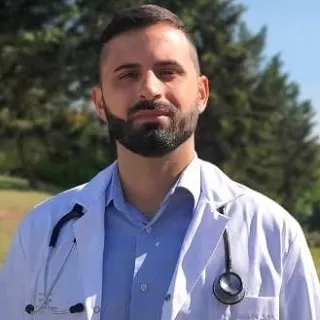
Dr. Dario Bottigliero is a cardiologist and Head of Department at Centre Hospitalier Victor Jousselin, Dreux, specialising in cardiology and cardiac intensive care. He holds advanced academic qualifications and has contributed to innovative initiatives, publications, and professional practice, combining analytical rigor, leadership, and effective communication.

Sabrina Alonso graduated as a nursing assistant in 2000 in Dreux and began her career in geriatrics before moving to the operating room, where she developed precision and attention to detail. A registered nurse since 2009, she spent nearly ten years in emergency care. She currently serves as Head Nurse in cardiology, overseeing intensive cardiac care and diagnostic units.

Malika Lamri has extensive experience in multidisciplinary care and emergency medicine. After working in medical intensive care units, she transitioned to diagnostic explorations. She is a specialised nurse focusing on heart failure and patient care optimisation, and she is the first nurse in her hospital to hold this pioneering role.

Nina Boxberger is a nurse with over 15 years of experience in cardiology, specialising in cardiovascular diseases and therapeutic patient education. She is the second specialised heart failure nurse to join the Dreux Hospital care protocol, supporting advanced patient management and collaborating closely with clinical teams.