
Facility Management in Healthcare: A Key to Quality Patient Care
Kate Williamson, Editorial Team, European Hospital & Healthcare Management
The implementation of healthcare facility management creates efficient and safe hospitals which also optimize operational costs. The service management system addresses all matters including structural upkeep and hygiene alongside protection security and power preservation and waste management. AI and IoT innovations together with other technological advancement enable superior service operations. A well-managed facility system leads to better patient health results while lowering maintenance expenses and building conditions that are secure along with environmentally conscious and operationally efficient.

Introduction:
The day-to-day hospital operational efficiency depends on staff members beyond doctors and nurses. A hospital operates efficiently through its facility management system which stands as the fundamental support structure provided by healthcare professionals. Healthcare facility management represents a fundamental organizational system that matters intensely to healthcare operations.
As this article shows facility management stands as a vital element for healthcare operations since it controls patient care delivery and healthcare organizations must recognize its importance. The delivery of high-quality healthcare services depends heavily on facility management because it provides essential conditions for both sterility and operational excellence.
What is Facility Management in Healthcare?

Facility management in healthcare institutions consists of a total upkeep system for medical facilities alongside patient protection protocols and healthcare services optimization. The management system encompasses numerous healthcare services that include:
- Infrastructure Maintenance: Ensuring medical facilities, buildings, and equipment are in optimal condition.
- Environmental Hygiene: Maintaining cleanliness and sterilization to prevent infections.
- Security and Safety: Protecting patients, staff, and visitors through robust security measures.
- Energy Efficiency: Managing resources to reduce operational costs without compromising care.
- Technology Management: Integrating smart healthcare systems for efficiency.
- Waste Management: Proper disposal of biomedical and hazardous waste.
These elements operate as a system which determines a healthcare framework that allows medical staff to concentrate on clinical work and the facility maintains automatic operation.
Why is Facility Management Crucial in Healthcare?

1. Ensuring Patient Safety
Studies reveal that inadequate hygiene along with insufficient maintenance causes thousands of hospital-acquired infections (HAIs) to occur yearly. Proper facility management implements thorough cleaning protocols with ventilated system design as well as pest prevention measures to decrease infection risks.
2. Optimizing Healthcare Services
Continuous emergencies appear within hospitals because these facilities maintain their constant activity. A successful facility management system provides reliable electricity along with operational elevators as well as instant maintenance support which enables healthcare staff to deliver their work without interruptions.
3. Enhancing Patient Experience
The experience of entering a hospital that demonstrates inadequate illumination while using malfunctioning tools takes extended periods to provide service. Would you trust their services?
Healthcare facilities under proper management improve patient comfort through easy building navigation together with favorable waiting conditions and a welcoming environment.
4. Cost-Efficiency
Healthcare facilities that lack proper management end up spending too much on operations because poor energy efficiency combines with more than average equipment failures and unexpected maintenance expenses. A strategic facility management approach enables hospitals to maximize their resources which results in decreased total financial costs.
Key Aspects of Effective Facility Management in Healthcare

1. Infrastructure and Asset Management
Medical institutions operate with dependency on properly maintained infrastructure together with heating ventilation and air conditioner systems (HVAC), plumbing and healthcare equipment. Healthcare operations remain uninterrupted when organizations perform regular inspections together with predictive maintenance and maintain safety regulation compliance.
2. Healthcare Waste Management
Each day, hospital facilities create vast amounts of biomedical waste. Rogues disposals practices create health risks together with damaging effects toward the environment. Such waste management platforms protect facilities by:
- Sharps and infectious materials are disposed of safely.
- Hazardous chemicals and pharmaceuticals are handled responsibly.
- Waste segregation is strictly implemented.
3. Emergency Preparedness
Hospitals need to establish readiness for handling disaster scenarios together with fire emergencies and electricity failures and cyber attacks. Other than providing essential support, facility managers serve as key personnel in:
- Implementing disaster recovery plans.
- Conducting emergency drills.
- Ensuring backup power sources.
4. Energy and Sustainability Management
The goal of sustainable healthcare facility management combines energy reduction efforts with performance preservation objectives. Hospitals can achieve this by:
- Installing energy-efficient lighting and HVAC systems.
- Utilizing solar energy where possible.
- Implementing water conservation strategies.
5. Security and Compliance
The protection of patients alongside staff along with medical data needs sufficient security systems according to hospital requirements. This includes:
- Surveillance systems and access control.
- Fire safety compliance.
- Cybersecurity measures for patient records.
The Role of Technology in Healthcare Facility Management
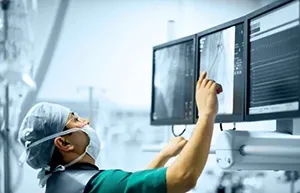
Healthcare facility management receives revolutionary transformation through technological advancements. Customers benefit from advanced smart systems because these solutions generate higher operational efficiency while providing better service delivery. Some innovative technologies include:
| Technology | Function |
| IoT-enabled Smart Sensors | Monitor temperature, humidity, and equipment performance. |
| AI-based Predictive Maintenance | Identifies potential failures before they occur. |
| Automated Cleaning Systems | Ensure hospital hygiene and sterilization. |
| Telemedicine Infrastructure | Supports virtual consultations and reduces hospital overcrowding. |
The technological advancements deliver dual benefits to hospitals by lowering expenses and building high-quality care systems and achieving better operational effectiveness.
Challenges in Healthcare Facility Management

Healthcare facility management encounters multiple hurdles during its essential operation despite being crucial to the healthcare sector.
1. Budget Constraints
Having a large number of hospital facility management organizations creates obstacles in increasing financial scale to implement advanced FM solutions. The implementation of preventive maintenance as a cost-saving method helps healthcare organizations make substantial savings across long-term periods.
2. Staffing Shortages
The healthcare industry needs more skilled facility managers than there are available professionals in the market. High standards depend on the essential training and upskilling process for facility management staff.
3. Regulatory Compliance
Various regulatory requirements apply to hospitals when it comes to managing waste disposal and ensuring fire safety. The job of facility managers becomes increasingly difficult due to the continuous changes in legal rules and standards.
Future of Facility Management in Healthcare

Facility management in healthcare will embark toward three key directions including technological progress, sustainability measures alongside patient-focused care. Here’s what we can expect:
- AI-driven FM solutions for predictive maintenance and resource optimization.
- Green hospitals focusing on eco-friendly construction and waste reduction.
- Patient-centric designs that prioritize comfort and convenience.
- Automation and robotics for enhanced cleaning and security.
Conclusion
The healthcare industry depends on facility management systems to perform the essential tasks that merit public appreciation. Hospital facility managers collaborate with the medical staff to create a clean operational facility which contributes to high-quality patient treatment. The outcome for patients improves when hospitals build effective facility management systems which simultaneously reduces costs and raises operational efficiency.
Hospital patients should recognize the smooth operations behind hospital walls whenever they enter healthcare facilities. Quality patient care starts with having a healthcare facility managed optimally.

Kate, Editorial Team at European Hospital & Healthcare Management, leverages her extensive background in Healthcare communication to craft insightful and accessible content. With a passion for translating complex Healthcare concepts, Kate contributes to the team's mission of delivering up-to-date and impactful information to the global Healthcare community.