
How Technology Is Helping to Solve the Healthcare Workforce Crisis
Kate Williamson, Editorial Team, European Hospital & Healthcare Management
Healthcare organizations combat their workforce shortage by using technological solutions to alleviate burnout among medical personnel. AI diagnostic systems improve medical procedures while handling administrative needs and telemedicine service expansion and robotic integration create operational excellence and blockchain technology reduces data breaches. Big data supports decision quality through analytical processing and AI-based workforce management enhances personnel distribution. Innovation adoption strategies generate healthcare solutions that carry on indefinitely.

Introduction:
The healthcare industry worldwide faces a serious workforce problem through a lack of qualified staff and widespread professional exhaustion, while patient service needs grow because of population aging and persistent illness patterns. Technology responds through revolutionary changes to manage workforce issues by improving efficiency and reducing workloads and enhancing patient outcomes. The introduction of artificial intelligence (AI) and telemedicine services and automated systems and data analytics enables complete healthcare transformation in delivery processes and workforce planning.
The Healthcare Workforce Crisis: A Growing Concern
Healthcare organizations throughout the world experience an unprecedented workforce deficit within their medical sector. The World Health Organization (WHO) expects that by 2030 global healthcare institutions will lack 10 million health care professionals. This shortage emerges from three main factors including the growing population together with extended life expectancies coupled with specialized healthcare demands. Healthcare professionals manage excessive workloads that cause them to experience burnout and dissatisfaction in their jobs thus worsening the existing situation.
Technology development serves as a solution to link healthcare services by removing operational inefficiencies and optimizing workforce distribution frameworks.
1. Artificial Intelligence (AI) in Healthcare Operations

Through AI technology, healthcare changes because it executes basic administrative work while decreasing healthcare paperwork along with enhancing clinical accuracy. The significant impact of AI has been mainly observed in three main areas.
- Medical Imaging and Diagnostics: AI imaging platforms assist doctors in pathologist and radiologist tasks allowing them to discover cancer and stroke and fracture diseases accurately and swiftly.
- Predictive Analytics: Predicative models implemented by artificial intelligence systems use extensive patient data to find at-risk patients and to redirect resources for early identification of diseases.
- Administrative Automation: Healthcare professionals direct their attention towards direct patient care through AI chatbots and virtual assistants which perform duties like scheduling appointments and patient inquiries and billing processes.
The efficiency boost generated by AI allows healthcare staff members to provide better care through increased interaction time with patients.
2. Telemedicine: Expanding Access to Care
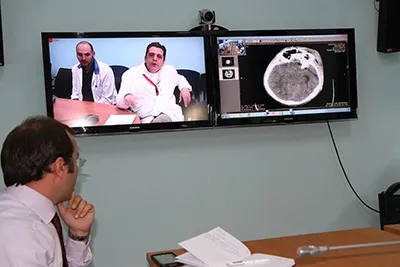
Telemedicine serves as a transformative solution to manage provider shortages which mainly affect rural communities as well as underprivileged areas. Through virtual consultation, patients can access healthcare remotely thus cutting down physical visits and supporting the healthcare location capacity.
- Remote Patient Monitoring: Health tracking tools supported by IoT technology together with wearable devices offer patient health sign monitoring which shortens hospital stays through prompt medical care.
- Virtual Mental Health Support: Teletherapy with digital mental health platforms allows patients to access counseling services through online platforms thus helping to reduce the practitioner shortage.
- Specialist Consultations: Telemedicine technology enables doctors to give immediate specialist advice through live consultations without limits from physical location and enhances how medical experts reach their patients.
Healthcare providers who adopt telehealth solutions deliver improved care across extended areas and enhance scheduling operations and treatment results at a low operational cost level.
3. Robotics and Automation: Enhancing Surgical and Operational Efficiency
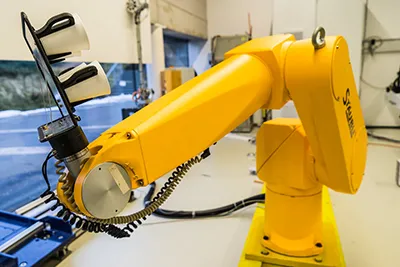
Current surgical approaches as well as automation tools are generating major changes both in hospital operations and surgical procedures.
- Robotic Surgery: The accurate robotic surgical system da Vinci Surgical System assists healthcare providers in performing controlled minimally invasive operations that result in shorter healing durations.
- Automated Pharmacy Systems: Pharmaceutical robotics eliminate medicine dispensing mistakes as they manage inventory efficiently while protecting patients from errors.
- Smart Hospital Logistics: Hospital efficiency improves through automated cleaning robots as well as supply chain management AI systems and self-navigating carts which decrease personnel workload.
Healthcare institutions achieve higher precision rates alongside shortened operational delays through robotic automation to maximize their staff resources.
4. Workforce Management and Training with AI and VR

Healthcare organizations benefit from artificial intelligence programs that schedule staff and VR applications which deliver efficient training methods to workers.
- AI-Powered Scheduling: The system uses intelligence models to forecast future labor requirements and creates optimal work schedules and prevents employee burnout through uniform staff work distribution.
- Virtual Reality Training: VR-based simulations let healthcare students as well as professionals train in complex procedures without harm thus enhancing both surgical accuracy and emergency response capacity.
- E-Learning Platforms: AI in education creates customized learning programs that let healthcare workers enhance their skills while remaining actively present in patient care.
Healthcare organizations build superior staff training systems and lower staff attrition through AI and VR-based workforce solutions which keep their delivery of medical care at optimal levels.
5. Blockchain in Healthcare: Enhancing Data Security and Workforce Credentials

The healthcare industry undergoes transformation through blockchain technology which offers secure data systems and facilitates professional qualifications and cuts down administrative procedures.
- Secure Health Records: Blockchain-based electronic health records allow users to maintain decentralized patient data storage that cannot be altered while achieving better accessibility together with enhanced security measures.
- Credential Verification: The credential verification process enabled by blockchain technology allows healthcare institutions to authenticate professionals’ credentials instantly which helps speed up hiring procedures and alleviate workforce deficit problems.
- Supply Chain Management: The medical supply chain benefits from Blockchain which produces secure operations to reduce counterfeited drugs as well as maintain critical medication accessibility.
Healthcare organizations can deliver transparent data and speed up recruitment activities while creating more operationally efficient processes through blockchain solutions.
6. The Role of Big Data and Analytics in Healthcare Decision-Making

Big data analytics enables healthcare organizations to use processed data from patients along with workers to make better decisions. Key applications include:
- Predictive Workforce Analytics: Predictive data analytics produces staffing deficit forecasts allowing healthcare organizations to recruit staff ahead of time.
- Patient Flow Optimization: Healthcare analytics systems enhance hospital bed optimization which decreases patient crowding and produces better medical treatment.
- Clinical Decision Support Systems: AI-driven strategic analysis allows healthcare service providers to create treatment decisions backed by evidence and enhance patient health outcomes.
The use of big data resources by healthcare institutions leads to more efficient operations while decreasing costs and delivering the best staff assignment results.
Challenges and Ethical Considerations
Various obstacles and moral issues need attention when deploying technology solutions to tackle the healthcare workforce shortage.
- Data Privacy and Security: Digital health solutions require extensive cybersecurity defenses to safeguard patient information because they have become widely popular in healthcare systems.
- Technology Adoption Barriers: Medical team members need extensive training for easy implementation of new technological systems in their clinical activities.
- Ethical AI Implementation: AI diagnostic systems and decision-making instruments need to demonstrate transparency alongside ethnical adherence and true medical practice values.
- Regulatory Compliance: Organizations along with healthcare leadership need to adopt strong regulatory systems which control the appropriate utilization of advanced technologies.
The resolution of these fundamental issues remains essential to create positive effects resulting from technological advancements for healthcare personnel together with patient care outcomes.
Conclusion: A Tech-Driven Future for Healthcare
Technology shows potential as an essential instrument for healthcare workforce crisis reduction by improving operational efficiency and access to care as well as workforce optimization. Medical operations transform with the help of AI and telemedicine systems as well as robotics together with blockchain technology and big data analytics which decrease medical professional burnout and produce better patient outcomes.
The complete realization of technological benefits in healthcare requires healthcare institutions to build their workforce capabilities through training and invest in compliance and cybersecurity programs. Well-built sustainable healthcare staffing solutions in the future will result from the successful marriage of modern technology and human expertise.Healthcare providers who adopt strategic innovation will master workforce obstacles to provide superior accessible efficient medical care to patients across the globe.

Kate, Editorial Team at European Hospital & Healthcare Management, leverages her extensive background in Healthcare communication to craft insightful and accessible content. With a passion for translating complex Healthcare concepts, Kate contributes to the team's mission of delivering up-to-date and impactful information to the global Healthcare community.