
Innovative Approaches to Combat Infectious Diseases in Modern Healthcare
Kate Williamson, Editorial Team, European Hospital & Healthcare Management
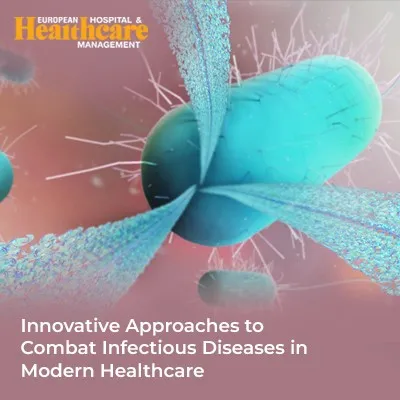
Modern healthcare is advancing with innovative strategies to combat infectious diseases, including mRNA and viral vector vaccines, precision medicine, antimicrobial resistance solutions, rapid diagnostics, immunotherapy, digital health, and gene editing. These approaches promise more effective prevention, diagnosis, and treatment, offering hope for a healthier future amidst evolving pathogen challenges.
Introduction:
Infectious diseases have been a persistent challenge to human health for centuries. With the advent of modern medicine, significant strides have been made in controlling and eradicating many of these diseases. However, the constant evolution of pathogens necessitates continuous innovation. In recent years, several groundbreaking approaches have emerged, offering hope for more effective prevention, diagnosis, and treatment of infectious diseases.
1. Advanced Vaccination Techniques
Vaccination remains one of the most effective strategies in combating infectious diseases. Recent innovations in this field include:
a. mRNA Vaccines
The development of mRNA vaccines, such as those used against COVID-19, represents a major leap forward. Unlike traditional vaccines, which use weakened or inactivated forms of a virus, mRNA vaccines use a snippet of the virus's genetic material to instruct cells to produce a protein that triggers an immune response. This technology allows for quicker development and easier scalability.
b. Viral Vector Vaccines
These vaccines use a different virus (not the pathogen causing the disease) to deliver important instructions to our cells. An example is the Ebola vaccine. Viral vector vaccines are particularly effective because they mimic a natural infection, providing robust immunity.
c. Universal Vaccines
Research is ongoing to develop universal vaccines that target multiple strains of a virus. For example, efforts to create a universal flu vaccine aim to protect against all variants of the influenza virus, potentially eliminating the need for annual flu shots.
2. Precision Medicine

Precision medicine tailors treatment to individual genetic, environmental, and lifestyle factors. This approach is particularly promising in combating infectious diseases:
a. Genomic Sequencing
By sequencing the genomes of pathogens, scientists can identify specific strains and mutations. This information is crucial for developing targeted treatments and tracking outbreaks. For example, genomic sequencing has been instrumental in monitoring the spread of COVID-19 variants.
b. Personalized Vaccines
Using genomic data, researchers can design vaccines tailored to the specific strains prevalent in different regions or populations. This customization can enhance vaccine efficacy and reduce the spread of disease.
3. Antimicrobial Resistance (AMR) Strategies
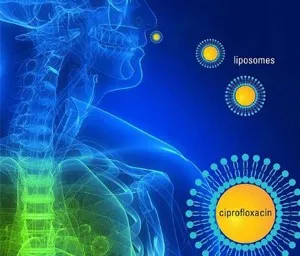
The rise of antimicrobial resistance (AMR) poses a significant threat to global health. Innovative approaches to combat AMR include:
a. Phage Therapy
Phage therapy uses bacteriophages, viruses that infect and kill bacteria, as an alternative to antibiotics. This approach shows promise in treating antibiotic-resistant infections, offering a targeted and less harmful option compared to broad-spectrum antibiotics.
b. Antimicrobial Stewardship Programs
These programs aim to optimize the use of antimicrobials to combat resistance. By ensuring that antibiotics are used appropriately and only when necessary, stewardship programs help preserve the effectiveness of existing drugs.
c. Novel Antibiotics
Researchers are exploring new sources for antibiotics, such as soil bacteria and marine organisms. These novel antibiotics have the potential to combat resistant strains and offer new tools in the fight against infectious diseases.
4. Rapid Diagnostics
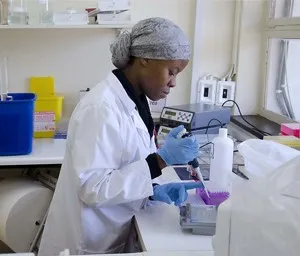
Early and accurate diagnosis is crucial for effective treatment and containment of infectious diseases. Innovative diagnostic techniques include:
a. Point-of-Care Testing
Portable diagnostic devices enable healthcare providers to conduct tests at the patient's location, providing immediate results. This approach is particularly valuable in remote or resource-limited settings. Examples include rapid antigen tests for COVID-19 and portable PCR machines.
b. CRISPR-Based Diagnostics
CRISPR technology, known for its gene-editing capabilities, is also being used for diagnostics. CRISPR-based tests can detect the presence of specific genetic sequences of pathogens with high precision and speed. This innovation has been applied to detect infections like Zika virus and COVID-19.
5. Immunotherapy
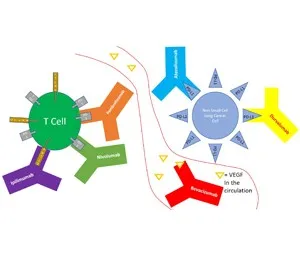
Immunotherapy harnesses the body's immune system to fight infectious diseases. Key advancements include:
a. Monoclonal Antibodies
Monoclonal antibodies are lab-produced molecules that can mimic the immune system's ability to fight off harmful pathogens. They have been used effectively to treat diseases like Ebola and COVID-19. These antibodies can neutralize pathogens or mark them for destruction by other immune cells.
b. Immune Modulators
These agents enhance or suppress specific parts of the immune system to improve its response to infections. For instance, immune modulators are being investigated for their potential to treat severe cases of COVID-19 by modulating the body's inflammatory response.
6. Digital Health and Surveillance

Digital technology plays a crucial role in monitoring and managing infectious diseases:
a. Wearable Devices
Wearable health devices can track vital signs and detect early symptoms of infectious diseases. For example, smartwatches can monitor heart rate and temperature, alerting users to potential health issues before they become severe.
b. Telemedicine
Telemedicine allows patients to consult healthcare providers remotely, reducing the risk of disease transmission. It also improves access to care, especially in areas with limited healthcare infrastructure.
c. Data Analytics and AI
Big data and artificial intelligence (AI) are transforming disease surveillance and outbreak prediction. By analyzing vast amounts of data from various sources, AI algorithms can identify patterns and predict outbreaks, enabling proactive measures. For instance, AI was used to predict the spread of COVID-19 and to inform public health responses.
7. Gene Editing

Gene editing technologies, such as CRISPR-Cas9, offer new ways to combat infectious diseases:
a. Gene Drives
Gene drives are genetic systems that increase the likelihood of a particular gene being passed on to the next generation. This technology can be used to control mosquito populations that spread diseases like malaria and dengue by making the mosquitoes resistant to the pathogens.
b. Therapeutic Gene Editing
Researchers are exploring ways to use gene editing to directly target and eliminate viral DNA in infected cells. This approach holds promise for treating chronic infections like HIV and hepatitis B.
Conclusion:
The fight against infectious diseases is a dynamic and evolving battle. Modern healthcare is leveraging a diverse array of innovative approaches to prevent, diagnose, and treat these diseases more effectively. From advanced vaccination techniques and precision medicine to digital health tools and gene editing, these innovations offer hope for a future where infectious diseases are less of a threat to global health. Continued investment in research and collaboration across disciplines will be essential to harness the full potential of these advancements and to stay ahead of emerging infectious threats.

Kate, Editorial Team at European Hospital & Healthcare Management, leverages her extensive background in Healthcare communication to craft insightful and accessible content. With a passion for translating complex Healthcare concepts, Kate contributes to the team's mission of delivering up-to-date and impactful information to the global Healthcare community.