
Innovative Medical Devices: Unlocking New Possibilities in Patient Care
Kate Williamson, Editorial Team, European Hospital & Healthcare Management
Medical technology is a plentiful set of solutions for better diagnostics, treatment, and supervision of patients. Patients benefit from wearable health monitors and telemedicine, diagnostic tools based on artificial intelligence, or smart implants. Despite the problems such as security of data and cost, perpetual progress shows a potential for revolutionary healthcare in the future.
Introduction:
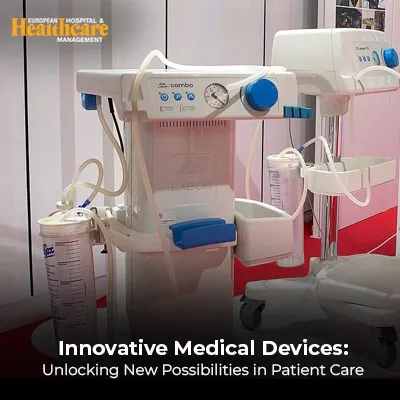
The field of medical devices has introduced critical new possibilities to enhance a patient’s experience, increase effectiveness of diagnostics, and make numerous therapies simpler. These are not only seen in specialized hospitals but are slowly incorporated into primary clinical practices and home care services. As a result, this article explores the topic as to innovative medical devices including the description of their presence, tendencies and perspectives.
The Evolution of Medical Devices
Medical products refer to a product that is used to diagnose, treat, monitor, or alleviate an illness, injury or disease, thus, medical devices include any product that ranges from as small as the stethoscopes to as big as MRI scanners. The development of medical devices has been marked by significant technological advancements:
- Early Developments: Among the aspects of physical medicine daily aid it is possible to distinguish the first medical devices, which were scalpels and forceps. For that reason, a variety of more diversified and reasonable diagnostic instruments like thermometers and X-ray machines that form the core of the modern day medical diagnosis and treatment appeared in the paradigm.
- Digital Revolution: The application of information technology revolutionized the medical devices industry in the latter part of the twentieth century. Namely, devices containing the text became less massive, less imprecise, and more productive. For instance, the firms with new products such as digital blood pressure and glucose meters eased the management of chronic diseases from the comfort of homes.
- Modern Innovations: Current and emerging medical devices are on the higher level of smart technologies inclusion, including amongst others; Artificial Intelligence (AI), Machine Learning (ML) & Internet of Medical Things (IoMT).
Key Innovations in Medical Devices
1. Wearable Health Monitors
Wearable technology in the form of a fitness band or smartwatch to perform activities are a part of mundane in daily life such as monitoring pulse rate, activities, and even the quality of ones sleep. Such devices provide quantitative information so that a user can choose on the health issues adequately. Perhaps, more significant, advanced wearables, for example, are capable of recognizing complicated somatic variability or signs of other diseases and request a doctor’s assistance.
2. Telemedicine and Remote Monitoring
Telemedicine devices facilitate the conduciveness of the consultation in an area and helps to reduce effects of geographical constraint. Mobile health healthcare devices including continuous glucose monitoring for diabetics enable a healthcare provider to monitor the patient’s health information in real-time, improving care.
3. Diagnostic Imaging Technologies
Diagnostic equipment like portable ultra-sonic devices and new MRI machines have enhanced the preciseness and availability of diagnosis. Computational tomography, for example, can be implemented on portable ultrasound machines that offer imaging solutions in areas of low access to quality health care services since they are not bulky like other large set machines.
4. Robotic Surgery Systems
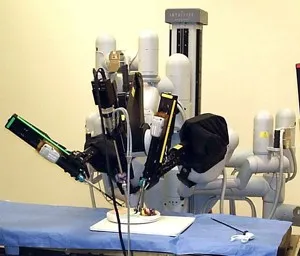
Surgical systems like the da Vinci Surgical System have better precision, flexibility and control than the traditional methods of operating with the scalpel. It empowers the surgeons to execute required and intricate intrusions, resulting in less grossing of the tissue, less soreness, and short healing time for patients.
5. Smart Implants and Prosthetics
Here the discussion goes to sensors and connectivity referring to intelligent implants and prosthetics that are capable of sharing their status and activity to doctors. For instance, it is possible to have smart hip implants that can capture other causes of wear or likely infections and inform doctors on the same. Improved effectiveness and mastery of a prosthesis can lead to a noteworthy enhancement in the patient’s outcome.
Impact on Patient Care
Improved Diagnosis and Treatment
Advanced technologies in health care facilities result in early diagnosis of diseases and improved treatment results. For example, the diagnostic instruments, which are executed by AI techniques, may investigate specific medical images, and most often they are more precise than the human eye. Such precision helps in availing timely treatment to patients hence enhancing the prognosis.
Enhanced Patient Monitoring
It will be important to discuss the fact that continuous monitoring devices give a lot of information that may be useful in identifying the current status of the patient’s condition. It makes it possible for the healthcare providers to identify any shift in the health status of the patient and take necessary action before the illness progresses. For instance, constant supervision of the cardiac patients can enable identification of arrhythmias before they progress to later stages thus can be treated appropriately.
Personalized Healthcare
Personalized health care entitles the patient to different medical treatment that targets the patient’s genotype and behavior patterns. Thus, the medical devices maintain detailed and uninterrupted measurements of a patient’s state and play a crucial role in it.
For example, it would be possible to track the patient’s reactions towards numerous therapies and operations due to wearing devices, making the unique approach to providing proper care and achieving better outcomes.
Empowering Patients
The use of new tools in implementing medical practice liberates the patient in the management of the disease. This will lead them to adhere to their treatment plans, improve their lifestyle choices and therefore improve their health status. For instance, patients with diabetes that employ a continuous glucose monitor are in a position to maintain the right amounts of blood glucose.
Challenges and Considerations
While the benefits of innovative medical devices are clear, there are also challenges and considerations to address:
Data Privacy and Security
A few issues that are associated with the gathering and sharing of health information include; Patient data, especially in health records, must not be compromising through unlawful access by unauthorized persons. This is why there has always been a need for regulations and strict security to be put in place to protect the information.
Integration with Healthcare Systems
The purpose of inventions in the context of products for the medical field is the functionality and compatibility with already established and dominant systems. Consumers face compatibility problems, which affect the integral exchange of information in between gadgets and personnel. These are the challenges that call for generation of standard practices as well as cooperation between the partners.
Accessibility and Affordability
Primary aspects that have to be considered for medical devices include the ability to guarantee that innovative technologies are affordable to patients. This article stresses the fact that healthcare disparities can further widen in case clients have varying degrees of access to enhanced technologies in health care delivery. It still matters that attempts be made to make these devices more available and cheaper to the public in order to attempt to ensure equity in the provision of health care to people.
Future Directions
The future of medical devices is promising, with ongoing research and development paving the way for even more groundbreaking innovations:
AI and Machine Learning
Because AI and machine learning are virtually certain to be a significant factor in medical devices in the future, application of one or both of those technologies in medical devices will be of strong interest. These technologies can help in improving the ability to diagnose disease, forecast the appearance of a disease, and implementing individualized care. For instance, the assessment of large quantities of health-related data with the help of AI algorithms makes it possible for early diagnostics of illnesses.
3D Printing
3D printing is now playing a major role in revolutionizing the way majority of the medical devices such as implants and prosthetic as well as tissue engineering scaffolds are manufactured. It also allows for the manufacture of models quickly and effectively thus improving the fit of the patients’ devices.
Internet of Medical Things (IoMT)
The IoMT links medical devices to the Internet to facilitate an easy flow of data between the devices and physicians. This connectivity improves patient screenings, data monitoring, and preventive care services when delivered from a distance. For example, wearables in the context of IoMT can inform healthcare providers of symptoms that may necessitate a patient’s attention or even an emergency.
Nanotechnology
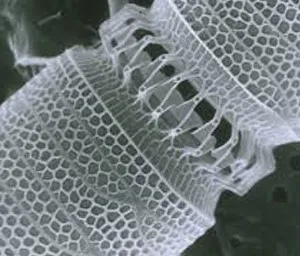
The application of nanotechnology in medical devices seems extremely lucrative, promising to create nanoscale sensor and drug delivery devices. They can selectively affect certain cells or tissues, raising the effectiveness of treatments and decreasing the effects on the rest of the organism.
Conclusion
Recent advancement in medical technologies for developing new devices for patients’ diagnosis, treatment and tracking has depicted the real change in healthcare practice. Such advancements are helping patients, improving the efficiency of the health care system and determining the future of medicine individualization. Though issues are still present, such improvement through innovation of devices and cooperation of stakeholders will see to it that the target of having better devices result in a healthier society is achieved.

Kate, Editorial Team at European Hospital & Healthcare Management, leverages her extensive background in Healthcare communication to craft insightful and accessible content. With a passion for translating complex Healthcare concepts, Kate contributes to the team's mission of delivering up-to-date and impactful information to the global Healthcare community.