
Long-COVID: What We Know About PASC
Debi Jones, Editorial Team, European Hospital & Healthcare Management
Long-COVID or Long-lasting COVID, or Post-acute sequelae of SARS-CoV-2 infection or PASC has some issues such as, fatigue, brain fog, and respiratory issues. At the moment there are clinical investigations in an attempt to discover what leads to the disease, how it can be managed or maybe even eliminated. Symptom control, restoration of functions, psychological health and the reinforcements of behaviors are all functions of better management.
Introduction:
The COVID-19 pandemic has had a profound impact on global health, but even as acute cases have been managed, a new challenge has emerged: Long-COVID also referred to as Post-Acute Sequelae of SARS-CoV-2 Infection (PASC). Literally, this term aims to describe a variety of signs that may manifest in a host even after a specified disease has been cured. Having credible knowledge about Long-COVID is essential in enhancing the management of the patients and searching for right interventions.
What is Long-COVID?
Long-COVID as or refers to several sustained or new symptoms after the definitive phase of an infection with the novel coronavirus. These symptoms can persist in a patient for weeks, or in some cases, for months. Long-COVID is therefore not like other post-viral fatigue where the body just aches for an unspecified number of days; this condition impacts several systems in the body to cause further health complications.
Common Symptoms
Long-COVID symptoms are many and vary, which makes it possible to affect many systems in the body. Among the most frequently reported symptoms are:
Fatigue: Among all the signs of Long-COVID, the most widespread and troublesome one is fatigue. This is not just the normal irritability that results from general weakness but a type of tiredness that even after laying down for a good number of hours the affected individuals can wake up feeling drained. It can be a low-grade fatigue, which impairs doing activities and adversely affects the quality of life so people cannot get back to exactly how they were before COVID.
Shortness of Breath: Long COVID symptoms are defined by a number of factors where most of the affected people cite shortness of breath. This symptom may also be in the form of the patient experiencing different forms of shortness of breath or difficulty breathing even when the person is not engaged in any vigorous activity. This chronic respiratory ailment may seriously affect a person’s ability to perform adequate physical activities, and might call for further health checks.
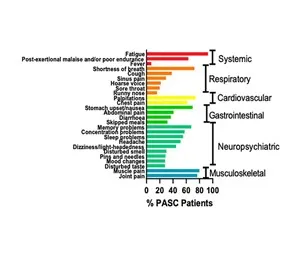
Brain Fog: Memory difficulty or what is referred to as brain fog is another issue that affects most people after the COVID-19 infection. This condition is characterized by trouble in concentration, problems in retaining information, and general confusion. It can impact one’s ability to perform highly concentrated tasks and may hence hinder working or any daily activities.
Joint and Muscle Pain: Joint and muscle ache is frequently experienced by patients who have Long-COVID, and the pain is incessant. This pain can be generalized and can range from mild to severe pain Intensity of the pain also differs but one thing that is clear is that old age can hurt. Sometimes, these symptoms can cause issues with movement and may hinder a person’s capacity to exercise or even complete daily tasks.
Chest Pain: Long COVID’s symptoms can include chest ache or pain after expiration by some people. This symptom can be worrying and it can be manifested as a sharp pain that one associates with the infection especially during the initial stages. The continuation of chest pain might warrant a rule out or better management of the condition by visiting a health care provider.
Sleep Disturbances: The other symptom frequently reported is sleeping disorder which is seen in many of Long-COVID patients. Sleep can be accompanied by features such as difficulty in falling asleep, night wake up or sleep that is not restful. Such disturbances can also be causes of general fatigue or can affect the basic functioning, which is why the restoration of sleep quality should be a key component of treatment.
Heart Palpitations: Long-COVID patients can have the symptoms like irregular or high heart rate, often termed as palpitations. It can be disturbing and may need to be assessed to check on the status of cardiovascular diseases. Palpitations and their management are usually a matter of lifestyle changes and the possible need for medical exam.
Loss of Taste or Smell: However, unlike other symptoms, some people can still have issues with taste or smell after their COVID-19 infection is over. It is a chronic problem that influences appetite and food palatability, and treatment may be indicated to eliminate sensory dysfunctions that are present.
Understanding and managing these symptoms are essential for patients with Long-COVID because these issues are challenging to ignore. Hence, the response to the treatment and care may differ from one person to another because the condition can present with a plethora of symptoms and complications in the long run.
Who is affected?
Long-COVID describes symptoms which can persist after contracting COVID-19, no matter the severity of the first illness. However, some categories of people may take time to recover from such symptoms. Essentially, people who had severe COVID infections, including hospitalizations or being on intensive care, are likely to undergo Long-COVID. This is because the virus is more contagious to their bodies thus causing more harm and potentially more destruction during the stage when the patient is severely affected with the virus.
Also, patients with chronic diseases like diabetes, cardiovascular diseases, or chronic respiratory disorders, may remain more vulnerable after the acute phase as their pre-existing conditions might slow down the recovery process. Other studies also indicate that those who did not get vaccinated might be at a higher risk of getting Long-COVID compared to those who received the vaccine since the vaccine decreases the possibility of developing severe diseases and might have a reducing factor of long COVID impacts.
Most crucially, Long-COVID can develop in people who at first experienced mild or no COVID-19 symptoms, which points to the fact even those who contracted the coronavirus, yet did not suffer significantly, can develop long-lasting complications. In light of this, Long-COVID affects almost every system in the body and should therefore compel consistent follow-ups on symptom persistence regardless of the patient’s COVID-19 recovery status.
Causes and Mechanisms
The exact cause of Long-COVID is still unclear, although, there are some theoretical explanations as to why some individuals continue to experience symptoms after contracting COVID-19.
Immune System Response: On this basis, one of the features can be described by analogy with the immune system response when the transition to Long-COVID occurs. It is also important to point out that the immune system might stay active or even hyperactive after the first infection; thus, causing constant inflammation and symptoms. This constant stimulation of the immune system could lead to damaging of tissues and organs, this could explain the long term effects that are felt by some people.
Viral Persistence: The other explanation could be the virus leftovers in the body after the acute phase of the disease are over but they are present in minute amounts. Such a persistence of the virus might translates to further symptomology, since the immunity system has to process with the residual viruses. Several researchers are still conducting studies to find out if pieces of viruses or even the actual virus itself can be detected in long suffering Covid-19 patients.
Inflammation: Chronic inflammation is one more process that is investigated at the present time. COVID-19 causes inflammation the first time a person gets infected, and this inflammation may be there even if the virus is no longer present. These physical changes can affect various systems in the body and the small signs include: fatigue, muscle and joint pain and poor concentration.
Autoimmune Reaction: Long-COVID may also be affiliated with autoimmune post-viral syndromes in which the body’s immune system targets its own tissues. This can cause rheumatic like symptoms, skin rashes, and neurological signs and symptoms which are analogous to autoimmune diseases. Autoimmunity is not simple and the issue is still under research in relation to Long-COVID.
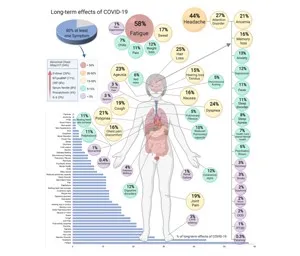
Multisystem Involvement: Besides, it could be due to other effects of COVID-19 on the other organs and body systems during the acute phase contributing to Long-COVID. Various physiological structures such as the lungs, heart and head, and other internal organs can be irreversibly harmed, thus causing continued problems despite the initial recovery of the virus. This multisystem involvement underlines the fact of the necessity for individuals who had COVID-19 to additionally receive proper care and subsequent control.
The identification of these possible causes and processes is important for designing symptomatic treatments and coping with Long-COVID. Further research shall be conducted towards surmising these theories and enhancing the extent to which patients with Long-COVID are managed, concerning the repeated current health issues.
Diagnosis and Management
Categorizing the condition as Long-COVID can be problematic because patients cannot take tests specifically for the required condition as no apparent test for the condition is developed. The assessment of Long-COVID and its management among the HCPs involve a range of approaches by default.
Diagnosis: The assessment process for diagnosing Long-COVID starts with the intake of patients’ histories. Patients will have their onset and duration of problems after being infected with COVID-19 evaluated by healthcare providers. This includes performance of interviews with patients about their first COVID-19 manifestations and other/different pathologies which they faced after discharge. The symptom screening is essential due to the variation in the manifestation of Long-COVID that impacts multiple organ systems. Moreover, the treatment includes an attempt to rule out other possible causes of the symptoms in question by healthcare providers. This may take them for some tests and scans to examine and exclude other illnesses that are likely to have influenced the patient’s health state.
Symptom Relief: Supportive treatment is majorly fundamental for managing Long-COVID, given the context of the patient’s case. Consequently, since it is impossible to treat the disease, there is attention to certain manifestations of a diseases to improve the quality of living of people having a disease. For example, an individual may have pain and it is managed through drugs, sleep or breathing related issues may also be managed through drugs/therapy. Specificity of the treatment depends on the nature of symptoms and must be determined based on every client’s needs.
Rehabilitation: Physical and occupational therapy are essential components in the management and treatment of Long-COVID patients. PT can considerably improve muscle weakness, exhaustion, and reduced motility; thus, patients regain their strength and functionality to a certain extent. OT would help in recommending changes that can be adopted in various tasks performed at work and at home with regards to the symptoms experienced.
Mental Health Support: Long-COVID has different psychiatric symptoms that are associated with it and such include; anxiety, depression, and cognitively impairment. Shelter and services for counselling and therapy play an important role in implying help to the subjects of such practices. Long COVID also takes a toll on the mental health of the patients, and qualified psychologists and therapists guide the patients through the personal and social challenges that Long COVID brings along its physical symptoms.
Lifestyle Modifications: It is also suggested that there are some changes some people can make in order to effectively manage most of the symptoms associated with Long-COVID. These include sufficient advice on rest, proper progression of physical exercises as well as dieting. Educating and assisting patents when they are making these changes will enable them to address the symptoms effectively hence enhance their recovery.
In general, proper care for Long-COVID implies the integrated approach and further individualised programs. Thus, when considering Long-COVID as a chronic condition, physicians can prioritize alleviation of symptoms and focus on rehabilitation, mental health, and lifestyle interventions to enhance the patient’s quality of life.
Research and Future Directions
Long-COVID is still an area of active research and investigation to shed knowledge on the condition and possible treatment. The significance of this research is needed to better manage Long-COVID due to its multifaceted presentation and better outcomes of the patients.
Understanding the Pathophysiology: Among the identified key areas of investigation is to determine those mechanisms which are presage to the development of a situation that can be referred to as Long-COVID. Researchers are exploring the specifics of the virus impact on cells and why some people have post-viral syndromes. To address the question of whether the patient had been following Long-COVID, it is critical to comprehend its pathophysiology to determine the explanations for post-viral complaints.
Developing Treatments: Another major field of investigation is the identification of promising therapies that will help Long-COVID patients recover. Following are the fields where researchers are currently working: There are pharmaceutical drugs which can help to regulate the symptoms that patients feel throughout the day; rehabilitation programs are being developed with tests aimed at lowering inflammation levels; numerous procedures are being developed to target specific problems for particular patients including brain fog, fatigue, cognition and concentration. Currently, the effectiveness and safety of these treatments are being tested thorough clinical trials and with the hope of alleviating the conditions that characterize Long-COVID.
Preventive Measures: Investigations are also made on the preventive strategies that can assist in minimizing the chances of Long-COVID. This entails examining the effect of COVID-19 vaccination on the probability of getting Long-COVID and evaluating the possibility of various vaccination approaches decreasing the probability of prolonged symptoms. This is why researchers aim to compare the impact of vaccines as well as other preventive measures to decrease the prevalence of Long-COVID as part of the population health strategy.
Long-Term Monitoring: The consequences of Long-COVID are still not well understood since the condition is relatively new, and therefore further assessment of the patients’ health is necessary. The researchers are following the patients for several years to study the further development of the symptoms, the response to different therapies, and the quality of the intervention. It also assists in predicting the results that may be of importance to any successive research work and other practices in the clinical set-up.
Interdisciplinary Approaches: The treatment and management or Long-COVID embraces an interdisciplinary model of care delivery. There is, therefore, the need to involve all the stakeholders in research, health practitioners, and the actual users of the care services through patient participation. Immunology, neurology, and rehabilitation medicine knowledge integration will help the research community to stage up the Long-COVID management effectively.
It can be concluded that further studies on Long-COVID are essential to enhance the knowledge of this emerging phenomenon and its treatment. Studying the progression, discussing novel treatments, investigating possibilities for prevention, and evaluating the possible complications, health care researchers and professionals try to improve the conditions and the overall care for Long-COVID patients.
Conclusion
Long-COVID is a constantly evolving and complex issue associated with the virus SARS-CoV-2 and different individuals’ conditions. More researches and patient obeyance is need to advance in this condition. Those who are struggling with symptoms that have not subsided, or their relatives and friends, should consult with a doctor and follow the recommendations to help themselves get better.

Debi Jones, part of the Editorial Team at European Hospital & Healthcare Management, draws on her deep experience in healthcare communication to produce clear and impactful content. Her dedication to simplifying intricate healthcare topics helps the team fulfill its goal of offering relevant and influential information to the international healthcare sector.