
Navigating Healthcare Systems in Europe: A Guide for Expats and Citizens
Sarah Richards, Editorial Team, European Hospital & Healthcare Management
European healthcare offers a blend of universal, tax-funded, and insurance-based systems, catering to citizens and expats alike. Key models—the Beveridge, Bismarck, and National Health Insurance—each have unique coverage structures. By understanding healthcare access, insurance requirements, and emergency procedures, newcomers can efficiently navigate healthcare in Europe, ensuring quality and affordable care.

Introduction:
European countries boast of a variety of healthcare sectors that have their unique features, advantages, disadvantages, and setting. To the overwhelming majority of the EU citizens, as well as people who moved to any country of this union, it is crucial to comprehend some peculiarities of heath care systems all around European countries in order to get necessary and top-quality services when necessary and spending a reasonable amount of money for this. In this guide, we will review the informational model of chosen European country, starting from insurance and coverage and ending with the ways of getting the needed help and peculiarities of serving foreigners.
1. Overview of European Healthcare Systems
There are high figures of populaces in Europe enjoying the free health care services and the enhanced standards of health. Many European countries have a mixed system of state-managed healthcare services with some choices of personal health care services hence ensuring that residents are provided with basic health care services while they have a choice to avail the superior services.
The main idea is that the majority of European countries provides healthcare services for free or with a cost covered by taxes or social contributions. The aim is universal healthcare so that citizens and legal residents receive needed medical care – often for a small fee.
2. Healthcare Models in Europe: The Basics
However it is crucial to remember that even countries of European states that do have the ideal of the universality of care, have rather dissimilar settings of healthcare systems. Here are three main models commonly seen across the continent:
- Beveridge Model (e.g., UK, Spain, Scandinavia): health care system is tax based, and the government provides most of the health care services or makes them nearly free for people living in that country. The services are offered by the government institutions and the health care personnel are civil servants.
- Bismarck Model (e.g., Germany, France, Belgium): The Bismarck system work with insurance funds which are non-profit organizations mainly responsible for bearing the health Insurance premiums of the citizens. These funds are employed by residents and employers through signatures on the check. It is flexible in selecting the providers and it also features private facilities.
- National Health Insurance Model (e.g., Italy): The offered model is a combination of Beveridge and Bismarck models. It is mainly funded by the government and insurance is mandatory for residents but the providers can be from government or private sector.
- All the European countries have a type of public health insurance which is usually compulsory to the citizens and residents. However, the policies on who is eligible for public funded health insurance, and to what extent, differ and can differ widely across countries.
3. Understanding Health Insurance in Europe
All the European countries have a type of public health insurance which is usually compulsory to the citizens and residents. However, the policies on who is eligible for public funded health insurance, and to what extent, differ and can differ widely across countries.
- For Citizens: If you live in one of the European states, in most cases, you automatically become a patient of the public health sector, which usually operates on the principle of compulsory payments – taxes and/or social insurance contributions. The role of health policy to the citizen is that you will be provided with the Health Insurance Card that will allow you to get the necessary medical care.
- For Expats: It is important to verify some specific requirements concerning residency in the country of immigrants. Sometimes, the people who are qualified for this kind of health care are those who are holding the long-term residency permit or working permit. Many countries have laws that only allow expatriates, employees or investors to gain working, settlement or residence permits they need to have medical insurance. There is also the European Health Insurance Card (EHIC) valid for European citizens travelling within Europe for short term exigencies.

4. Public vs. Private Healthcare Options
Although, the universal healthcare is available to majority of the residents, most of the European countries offer private healthcare. Here are some key differences:
- Public Healthcare: affordable basic services that include routine or habitual, periodic check-ups, admissions, accident/emergency, and occasionally, secondary or specialized care. Although the waiting time for the treatment of minor ailments may take a long time, the service providers are relatively cheap and effective.
- Private Healthcare: Includes quicker options for access to specialists, (reduced) waiting times, and maybe better accommodation. It is available where it is optional in many countries but in some systems, for instance the German system, those who earn certain amount of income may opt out of this public insurance and join a private insurer instead. This is the reason expats have to opt for private health insurance to get easy and quick services.
5. Primary and Specialist Care Access
Entering the healthcare system in Europe is provided with a primary health care provider, a General Practitioner (GP). GPs are used for other illnesses that are not critical and they usually attend to a patient and refer him to a specialist in case of complications.
- Primary Care: Most European countries provide the primary healthcare systems that mean patients must consult their GPs before approaching any specialist and it is cost efficient and guarantees on coherent treatment outcomes. For instance, GPs in the UK are restricted from directly accessing the specialist services to the patients.
- Specialist Care: In some cases, a referral from general practitioners is required to see a specialist, although clients with private healthcare plans maybe to go directly to a specialist. For specialists within the public system it may take rather long in order for a patient to be referred for treatment while patients with private health care have to wait short times in order to be treated.
6. Emergency Services in Europe
Emergency Medical Services (EMS) across the majority of European countries are comparatively developed with such services as ambulance, urgent care centers, and emergency departments. Emergency services are provided irrespective of the insurance a person has or has not, and is included in the public health care.
- Emergency Number: The emergency number for Central Europe is 112. It directs the caller to emergency services throughout the continental, including ambulances, police and fire drill services.
- Accident and Emergency (A&E): But in some countries, at least, emergency care in hospitals is free or relatively inexpensive even for uninsured people and this refers to life endangering conditions.
7. Healthcare Costs and Copayments
While many services are fully covered under Europe’s public systems, certain treatments, medications, and specialist visits may require copayments. Copayments vary widely based on each country’s healthcare policy and the type of service accessed.
- Prescription Medications: In many European countries, residents pay a small fee for prescriptions. However, vulnerable groups like the elderly, children, and low-income individuals may receive medication for free or at reduced rates.
- Specialist Visits and Non-Essential Services: For some non-urgent specialist visits, residents may face a copayment, especially if they choose private care. Many countries also offer supplemental insurance to help cover additional costs.
8. Maternity and Childcare Services
Most European countries provide residents with Maternal and childcare services under the public health systems and Europe boasts of an extensive maternal and childcare services.
- Maternity Care: : Most European countries provide prenatal, delivery and postnatal services under public healthcare system. Newborn and childcare are also offered to make sure that the parents can support their newly born child when on leave.
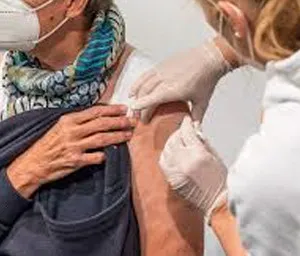
- Childcare and Pediatric Care: Children’s healthcare is typically prioritized, with free or low-cost pediatric care, vaccinations, and routine check-ups available through public healthcare systems.
9. Tips for Expats Navigating Healthcare
Moving to a new country and adapting to a different healthcare system can be challenging, but here are some tips to help:
- Research Eligibility: Check whether your visa type entitles you to public healthcare. In some cases, expats may be required to buy private health insurance, particularly when they first arrive.
- Register Early: In countries where a health insurance card or identification is required, it’s best to register early to avoid delays in accessing care.
- Language Barrier: Language can be a challenge, especially when visiting a doctor or receiving treatment. Learning basic medical phrases or bringing a translator can help. Some of the doctors in Europe understand English especially the young doctors in the big cities though the fluency differs from one country to another.
- Emergency Preparedness: It is advisable to know the emergency number of any country that is 112 and other rules to follow when making an emergency. For that reason, having an understanding of the ways to get to call the emergency services is fundamental.
10. Future Trends in European Healthcare
European healthcare systems are constantly evolving, and several key trends are shaping the future of healthcare access and delivery:
- Digital Health Initiatives: Nowadays some patient consultations are taking place remotely, and patients can develop electronic health records where their providers can communicate with each other electronically.
- Increased Focus on Preventive Care: Governments worldwide are incursing in preventive care to ease the pressure on the health sectors as well as increase the health of the population. Screening tests, immunizations, and promotional health care services become more familiar over time.
- Health Equity: The European healthcare systems remain adamant to decreasing healthcare disparities, which means that a European’s ability to afford certain healthcare services and products depends not on money they have in their pockets, but on their ability to receive a quality treatment regardless of ethnic background.
Conclusion
As a citizen or expatriate in a European country, working your way around the system is without a doubt plausible. Once expats and citizens realize the fundamental structures of healthcare models, where to obtain them and cultural or language barriers, the full potential of the healthcare systems can be realized. Depending on everyone’s reasons to move to Europe whether for work, studies, or to retire, a good understanding of the healthcare will help in maintaining good health and safety while having fun on the continent.

Sarah Richards, a member of the Editorial Team at European Hospital & Healthcare Management, uses her extensive background in healthcare communication to create clear and engaging content. With a strong commitment to making complex healthcare topics accessible, Sarah helps the team achieve its goal of delivering timely and impactful information to the global healthcare community.