
Osteoporosis: Causes, Symptoms, Treatment & Supplements Guide
Kate Williamson, Editorial Team, European Hospital & Healthcare Management
Osteoporosis is often called the “silent bone thief” because bone loss happens gradually and without pain—until a fracture occurs. This condition weakens bones, making them fragile and more likely to break from minor falls or even simple movements. According to the International Osteoporosis Foundation, more than 200 million people worldwide live with osteoporosis, yet many remain undiagnosed until it’s too late.

What Is Osteoporosis?
Osteoporosis is a chronic disease where bones lose density and strength, leaving them brittle. Healthy bones continuously rebuild, but with osteoporosis, bone breakdown outpaces bone formation. Women after menopause and adults over 50 face the highest risk, but it can affect anyone.
Causes of Osteoporosis
Several factors contribute, including:
• Aging: Natural bone density declines with age.
• Hormonal changes: Low estrogen in women and low testosterone in men accelerate bone loss.
• Lifestyle habits: Smoking, excessive alcohol, and lack of exercise increase risk.
• Poor nutrition: Inadequate calcium and vitamin D weaken bone health.
Symptoms & Early Signs
Osteoporosis is often symptom-free until fractures occur. Warning signs may include:
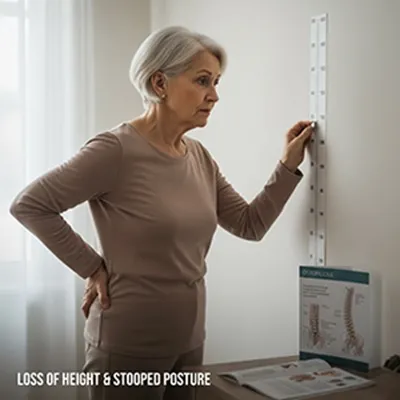
• Loss of height over time
• Stooped posture or “hunchback” appearance
• Back pain from collapsed vertebrae
• Frequent fractures from minor falls
Diagnosis & Bone Health
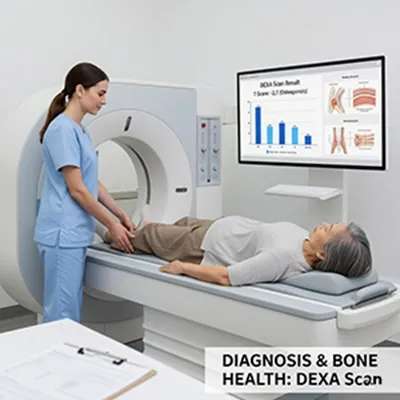
Doctors typically use a DEXA scan (dual-energy X-ray absorptiometry) to measure bone mineral density. Results help identify osteoporosis early and guide treatment. Routine check-ups, especially for people over 50, are crucial.
Treatment Options
Osteoporosis treatment focuses on slowing bone loss, preventing fractures, and improving quality of life. Options include:
• Medications: Bisphosphonates, hormone therapy, Prolia®, or Forteo®.
• Lifestyle changes: Weight-bearing exercises, fall prevention, and balanced nutrition.
• Supplements: Calcium, vitamin D, and other bone-supporting nutrients.
Supplements & Natural Support
Supplements play a vital role in managing osteoporosis:
• Calcium: Essential for bone structure.
• Vitamin D: Helps the body absorb calcium effectively.
• Magnesium, vitamin K2, collagen: Emerging evidence suggests benefits for bone strength.
Natural support includes diet improvements (leafy greens, dairy, fish), quitting smoking, and limiting alcohol.

Can Osteoporosis Be Cured?
Osteoporosis cannot be fully reversed, but with early detection and proper treatment, bone loss can be slowed, fractures prevented, and quality of life maintained.
Conclusion
Osteoporosis is common yet preventable with the right lifestyle, medical care, and supplementation. Recognizing the signs early and committing to a bone-healthy routine can make all the difference.

Kate, Editorial Team at European Hospital & Healthcare Management, leverages her extensive background in Healthcare communication to craft insightful and accessible content. With a passion for translating complex Healthcare concepts, Kate contributes to the team's mission of delivering up-to-date and impactful information to the global Healthcare community.