
The Future of Healthcare: Economic & Geographical Impacts Globally
Dr. Annie Thakore, Group CEO, Pranaam Hospitals

Introduction
Healthcare is at a crossroads. Global demographics are shifting, technology is accelerating, economic pressures are mounting, and geographic inequities persist. How these forces converge will shape what healthcare looks like in 10-20 years. To prepare, we need to understand the economic and geographical drivers of change, the challenges they bring, and the opportunities for creating more equitable, resilient health systems everywhere.
Key Drivers of Change
1. Demographic Shifts & Disease Burden
Populations are ageing rapidly in many countries, increasing demand for chronic disease care (cardiovascular, diabetes, cancer) and long-term care services. Meanwhile, non-communicable diseases (NCDs) are overtaking many infectious diseases as the dominant health burden even in formerly low-income countries.
2. Economic Pressures and Rising Costs
Healthcare costs are increasing due to more expensive treatments, new technologies, inflation, and higher expectations. Many countries struggle to finance this rising demand without compromising access or quality. There is growing recognition that investments in prevention, primary care, and public health yield high economic returns. For example, reducing disease burden could add trillions to global GDP.
3. Geographical Inequities
Rural and remote regions often lack access to basic services, equipment, and trained health workers; urban vs. rural divides remain large in many low- and middle-income countries (LMICs). Emerging markets often face weaker health infrastructure and supply chains, which makes it harder to adopt new technologies or scale up care.
4. Technological Innovation
Digital health, telemedicine, AI, IoT, and mobile technologies are expanding their reach and enabling remote diagnosis, monitoring, personalised care, and predictive analytics. Emerging infrastructure (digital, connectivity) and regulatory frameworks are mixed; in many regions, technology holds promise but implementation barriers (cost, training, regulation, digital literacy) persist.
5. Policy and Governance
Universal Health Coverage (UHC) is becoming a goal in many countries, but achieving it requires balancing financial sustainability with equitable access. Regulatory issues (e.g. around AI, cross-border health services, telemedicine, data privacy), workforce governance (training, retention, burnout), and health financing reforms will be critical.
Economic & Geographical Impacts
1. Economic Impacts
Health as Economic Growth Engine: Better health enables productivity, and reduces loss of workforce, reduces per capita health costs when disease burden is lower. For instance, projections show that improving health could add up to $12 trillion to global GDP by 2040.
Strain on National Budgets: As demand increases (ageing, chronic disease), governments will need to spend more on health (both in percentage of GDP and per capita). LMICs may struggle more, with high out-of-pocket costs pushing people into poverty.
Innovation & Market Opportunities: Companies that develop low-cost diagnostics, telehealth, AI-based tools, remote monitoring devices, simulation, and robotics will find large markets, especially in underserved and remote geographies.
2. Geographical Impacts
Rural / Remote Areas: Often lagging in infrastructure, human resources, and health outcomes. Technology (telemedicine, mobile health units, AI screening tools) can help close the gap, but geography still imposes logistical costs.
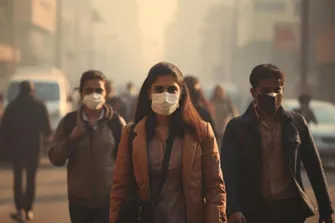
Urbanisation: As more people live in cities (especially in Asia and Africa), urban health becomes crucial. Densely populated cities face air pollution, poor sanitation, and environmental health risks, but also can benefit more rapidly from centralised or networked infrastructure, technology rollout, and economies of scale.
Global Health Disparities: Differences in burden of disease, access to healthcare, and outcomes between high-income vs low-income countries will likely grow unless there is targeted investment and policy change. Geographic proximity to services, distribution of health workers, and economic resource allocation matter hugely.
Challenges & Barriers
Health Workforce Shortages & Distribution: Many countries, especially LMICs, will face deficits in trained health workers; brain drain (migration of health professionals) from poorer to richer regions worsens geographic inequities.
Cost & Sustainability: Funding healthcare is expensive; balancing innovation adoption with cost control, preventing out-of-pocket burdens, and dealing with inflation or supply chain disruptions is hard.
Infrastructure & Digital Divide: Without good connectivity, reliable power, internet access, and regulatory frameworks, many technological solutions may not be usable in remote/geographically-challenged areas.
Governance, Regulation & Equity: Ensuring privacy, safety, ethics of AI and new tech; making sure healthcare reforms are inclusive; managing geographic inequities; ensuring that policies do not leave behind marginalised populations.
Environmental & External Shocks: Climate change, pandemics, pollution, migration – these affect both the geography of disease and the cost of delivering care, especially in vulnerable regions.
Opportunities & Possible Pathways Forward
1. Scaling Telehealth, AI & Remote Diagnostics

Deploy affordable diagnostic tools, AI-supported screening, remote monitoring – particularly in underserved or remote areas. These tools can reduce the need for travel, bring earlier diagnosis, and reduce costs. Ensure that infrastructure (connectivity, electricity), regulatory oversight, data privacy, digital literacy are addressed in parallel.
2. Focusing on Preventive Health & Primary Care
Shifting more resources to prevention (vaccination, health education, environmental health, lifestyle changes) and primary care can help reduce the downstream cost of chronic disease. Strengthening primary health systems in rural and remote areas so essential services are accessible locally.
3. Innovative Financing & Health Policy

Universal Health Coverage (UHC) schemes that spread risk, reduce out-of-pocket payments, and ensure equitable financing mechanisms. Public-private partnerships for infrastructure, supply chain, innovation - especially to scale health technologies in low-resource settings. Incentives for tech companies to develop low-cost, scalable medical devices and platforms tailored for remote areas.
4. Building & Maintaining Health Workforce

Training programs, incentives, remote/tele-mentoring, task shifting (using mid-level providers) to mitigate workforce shortages. Retaining talent in underserved areas via incentives, good working conditions, career opportunities, remote working where feasible.
5. Addressing Geographic Disparities Directly

Investments in infrastructure (roads, transport, power, internet) to reduce the cost and difficulty of delivering care, Mobile clinics, outreach programs, and telehealth hubs. Policies to ensure equitable access (subsidies, insurance coverage) for rural, remote, or marginalised groups.
6. Intersectoral Approaches

Health does not exist in a vacuum: housing, education, sanitation, environment all matter. Geographic and economic interventions must involve multiple sectors. Climate resilience in healthcare infrastructure, disaster preparedness, and environment-friendly practices will matter more as environmental shocks become more frequent.
Looking Ahead: Scenarios and Implications

In optimistic scenarios, with political will, investment, technology diffusion, and equitable policy design, we could see a major narrowing of global health disparities: more people living longer, healthier lives, with access to care regardless of where they live. Economies will benefit from higher productivity, reduced burden on health systems, and more resilience to shocks like pandemics.
In pessimistic scenarios, without intervention, costs could skyrocket, disparities (geographical and socioeconomic) will widen, health-outcomes in rural, remote, or poorer populations will lag, and chronic disease and ageing burdens may overwhelm weaker systems.
Conclusion

The future of healthcare globally is going to be shaped strongly by how well nations and global institutions manage the intersection of geography and economics. Technological innovation offers powerful tools, but without investment in access, workforce, infrastructure, finance, and equitable governance, its benefits may remain unequally distributed. For healthcare to fulfil its promise globally, we must design systems that are not only advanced, but just, ensuring that place of birth, income, or geography does not decide one’s health destiny.

Dr. Annie Thakore, Group CEO of Pranaam Hospitals, is a visionary healthcare leader with over two decades of national and international experience in hospital management and strategic healthcare innovation. She holds advanced qualifications and multiple certifications from prestigious institutions worldwide, including Harvard University. Leading transformative healthcare projects across India and abroad, her expertise spans hospital operations, healthcare technology integration, and community health initiatives. Blending clinical insight with business acumen, she builds sustainable, patient-centric healthcare models that deliver measurable improvements in clinical outcomes.