
The Role of Technology in Enhancing Hospital Management Systems
Kate Williamson, Editorial Team, European Hospital & Healthcare Management
Technology has penetrated deeply in to the management of hospitals and the effects are in the form of operational, care and communication efficiencies. Electronic documentation, remote consultations, computerized processes minimize costs and provide highly secure processes for the nature of practice involved. Hospitals and their patients receive numerous advantages such as increase of speed, raising levels of satisfaction, and even cost decrease, all promoting better quality health care for staff and patients alike.
Introduction:
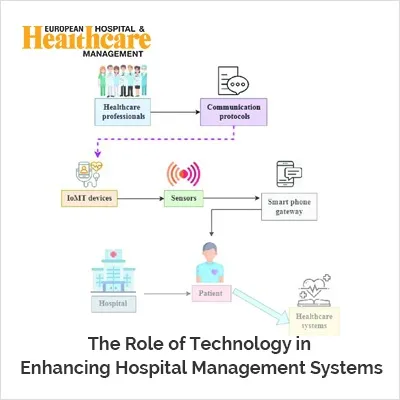
Indeed, the twenty-first-century health care sector cannot be considered without technology integration. The development in technology has reached the hospital facilities, which makes them into more efficient, well-organized, and capable of delivering patient’s quality and excellent treatments. Probably in methods from record keeping to treatment planning along with management of resources, technology is becoming an essential part of hospital management systems. Here’s how:
1. Digital Patient Records
Probably one of the most apparent changes that have emerged from technology in the hospital environment is the replacement of paper-based record keeping systems with computerized record systems called Electronic Health Records (EHRs). This is a way of keeping the patient data safely and systematically including; medical record history, laboratory results, and treatment regime. By adopting digital records, doctors and nurses can retrieve the complete history of a particular patient in the course of the ongoing treatment. This enhances the decision-making process and reduces possibility of mistakes arising from lack of information and or misunderstood information.
2. Improved Communication
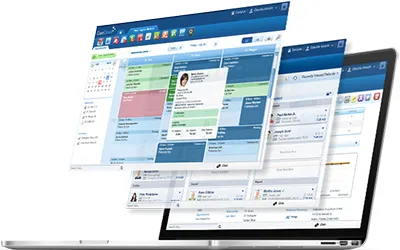
Hospitals are active centers where information flow is critical to the organizations’ departments as well as patients. There has been a proper introduction of communication technology which enables staff to communicate efficiently. Products such as secure messaging applications, video conferencing, and databases guarantee that there is convergence of ideas. For example, if a surgeon requires some information from the laboratory, he will be able to find it immediately, and not wait for paper works.
3. Efficient Resource Management
It has also favored how hospitals work with their resources by hiring personnel, equipment booking, and medicines storage. Computerized hospital management tools may include bed tracking status, staff work schedule and machine and material usage. This eliminates stock-out, decreases patient wait time and increases health facility productivity.
Hospitals are also able to forecast and identify what is required in the future enabling it to function effectively all times.
4. Telemedicine and Remote Care
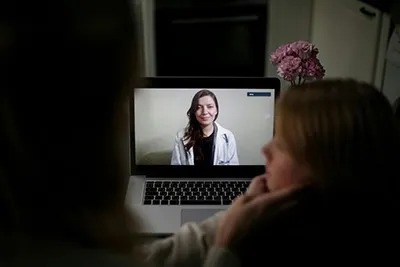
Another technological advancement is telemedicine which as helped boost the management in hospitals. In telemedicine, patients can speak to their doctors over the phone or video conference, which are excellent ways of avoiding physical interactions, which are especially hard for people living in rural areas. Facilities allow hospitals to treat more patients without either overwhelming the building structure or the staff at the hospital. It also lowers cost for both the hospital and consumer and still maintaining high standards of the hospital.
5. Automated Billing and Payment Systems
Welcome to the era where people no longer need to fill in reams of paper when it comes to medical bills and insurance reimbursements. These processes have however been eased by the use of automatic billing systems. Hospitals are now in a position to create bills electronically, handle payments, and even remind patient on due payments. This system has time saving aspect, reduction of human errors, and efficient financial transactions in the hospital.

6. Enhanced Data Security
Hospitals are always worried about data security since patients records have been moved into computers. Modern security measures implemented work to guarantee that patient information is secure from access, leakage or even hacking. Encryption methods, multi-factor authentication as well as other techniques are used in hospitals in order to ensure adequate security of patient data as well as to meet the requirements of privacy acts.

7. Better Patient Experience
Last but not the least; the perception of patients has increased greatly due to advancement in technology. With online appointment setting to contactless registration and e-prescription, it is now possible to have a hassle-free hospital experience to be expected from patients. These systems can even allow patients to look at their records and results of their test and be an active participant in their treatment.
Conclusion:
In conclusion the article has been able to reveal how technology has become crucial in improving management systems of hospitals. They have enhanced operations and communication while raising access to and effectiveness of healthcare. Hospitals will be prepared to enhance their efficiency in responding to patients’ necessities by applying new technologies, with less risk for both: patient and staff.

Kate, Editorial Team at European Hospital & Healthcare Management, leverages her extensive background in Healthcare communication to craft insightful and accessible content. With a passion for translating complex Healthcare concepts, Kate contributes to the team's mission of delivering up-to-date and impactful information to the global Healthcare community.