
Top 7 Supplements for Osteoporosis That Actually Work
Introduction
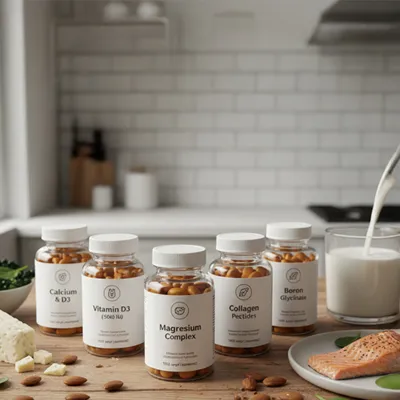
Osteoporosis is often described as a silent disease because most people don’t realize they have it until a fracture occurs. This condition weakens bones and increases the risk of breaks from everyday activities. While medications are commonly prescribed, supplements play an equally important role in managing bone health. The right supplements can fill nutritional gaps, slow down bone loss, and in some cases, even improve bone density. But with so many options on the market, how do you know which ones actually work? Let’s dive into the 7 best supplements for osteoporosis backed by science.
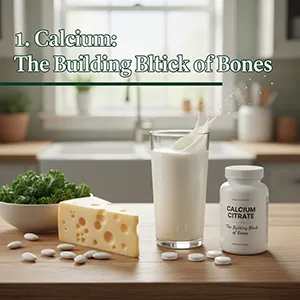
1. Calcium: The Building Block of Bones
Calcium is the most essential mineral for bone strength, making up nearly 99% of the body’s bone mass. A deficiency increases the risk of brittle bones and fractures.
- Recommended intake: Adults over 50 should aim for 1,200 mg daily.
- Best sources: Dairy products, fortified foods, leafy greens.
- Supplements:
- Calcium carbonate (best with meals, higher calcium content).
- Calcium citrate (absorbs better, especially for older adults or those with low stomach acid).
👉 Expert tip: Instead of taking large doses at once, split calcium into two to three smaller doses daily for maximum absorption.
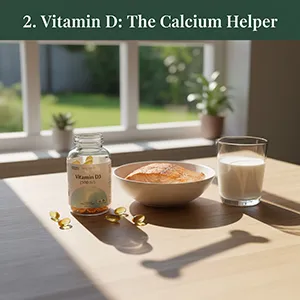
2. Vitamin D: The Calcium Helper
Without vitamin D, your body cannot absorb calcium effectively, no matter how much you take. Low vitamin D is strongly linked to fractures.
- Recommended intake: 800–1,000 IU/day for adults over 50.
- Sources: Sunlight, fatty fish, fortified milk.
- Best form: Vitamin D3 (cholecalciferol) is more effective than D2.
Studies show that combining vitamin D with calcium reduces fracture risk by 20–30% compared to calcium alone.
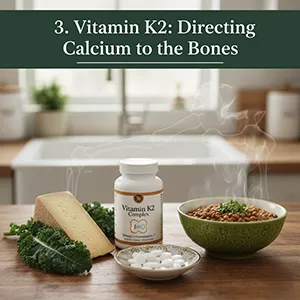
3. Vitamin K2: Directing Calcium to the Bones
Vitamin K2 plays a unique role: it helps guide calcium into bones and teeth while preventing it from building up in arteries.
- Found in fermented foods like natto and certain cheeses.
- Supplements usually come as MK-4 or MK-7 forms.
- Research suggests K2 helps reduce bone loss and improve density.
👉 Checklist: If you’re already taking calcium, pairing it with vitamin K2 may enhance its benefits.
4. Magnesium: The Bone Supporter
Magnesium is a mineral that works alongside calcium and vitamin D. It influences bone formation and helps regulate hormones like parathyroid hormone (PTH), which affects calcium balance.
- Recommended intake: 320 mg/day for women, 420 mg/day for men.
- Food sources: Nuts, seeds, whole grains, dark chocolate.
- Supplements: Magnesium glycinate or citrate are easier to absorb than oxide.
A deficiency can reduce bone density, making supplementation crucial for those at risk.
5. Collagen Peptides: Building Flexibility
Bones are not just minerals—they also contain collagen, which provides flexibility and reduces fracture risk.
- Collagen peptides may help increase bone mineral density and reduce bone pain.
- A 2018 clinical trial showed women who were taking collagen daily for 12 months had improved bone density compared to placebo.
👉 Expert perspective: Collagen works best when combined with vitamin C, which supports collagen synthesis.
6. Zinc: Small But Mighty
Zinc is often overlooked, but it plays a role in bone tissue regeneration and immune function.
- Deficiency can slow healing and weaken bones.
- Found in shellfish, meat, beans, and nuts.
- Zinc supplementation may be particularly helpful for older adults with poor diets.
7. Boron: The Mineral Regulator
Boron is a trace mineral that helps regulate calcium, magnesium, and vitamin D metabolism.
- Found in prunes, apples, and nuts.
- Some studies suggest it supports bone strength, especially in postmenopausal women.
Although research is still limited, boron may offer an extra layer of support when combined with other nutrients.
Practical Supplement Checklist for Osteoporosis
Here’s a quick guide to making supplementation simple and effective:
- ✅ Calcium (1,000–1,200 mg/day)
- ✅ Vitamin D3 (800–1,000 IU/day)
- ✅ Vitamin K2 (MK-7 preferred)
- ✅ Magnesium (300–400 mg/day)
- ✅ Collagen peptides (5–10 g/day)
- ✅ Zinc (8–11 mg/day depending on gender)
- ✅ Boron (1–3 mg/day)
Always consult your doctor before starting new supplements, especially if you’re on medications.
Conclusion
Supplements alone cannot cure osteoporosis, but they provide essential support for bone strength, especially when combined with lifestyle changes and prescribed medications. The key is choosing the right supplements, in the correct amounts, and taking them consistently.
If you’re serious about protecting your bones, start by checking whether you’re getting enough calcium, vitamin D, and magnesium, and then consider adding collagen, vitamin K2, zinc, and boron. Strong bones today mean fewer fractures tomorrow.