
The Diagnostic Odyssey of Rare Diseases
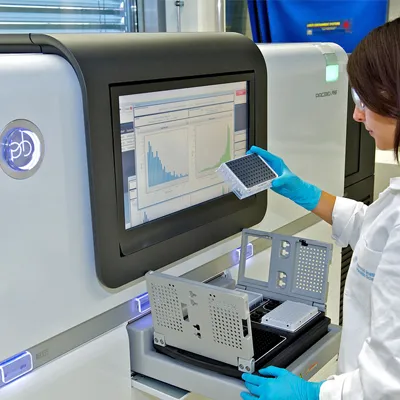
Living with one of many rare diseases requires millions of people worldwide to experience a challenging diagnostic journey consisting of long-term tests without solutions and incorrect diagnoses. Since genetic rare diseases number above 7,000 yet rarely align with current diagnostic approaches these methods prove insufficient. The introduction of genomic technologies shifted medical detection because they now solve medical conundrums that transcended human comprehension. Modern genomic technologies and particularly next-generation sequencing (NGS) systems rewrite the diagnostic path for rare diseases while providing enhanced therapeutic knowledge and encouragement to patients.
The Genomic Revolution: A Paradigm Shift in Medicine
Genomics as the science of complete organism DNA has completely transformed the process of disease diagnosis. Genomic tools perform genetic code analysis instead of traditional symptom-based methods or individual biomarker diagnosis which conventional medicine practices.
The change in medical technology has brought significant benefits to rare disease diagnosis because these conditions demonstrate complex combinations of symptoms. Genomic research can establish accurate diagnoses for patients through mutation identification in specific genes irrespective of uncertain or incorrect clinical information.
Whole-Exome and Whole-Genome Sequencing: Breaking Diagnostic Barriers

The detection of rare diseases now occurs through two transformative sequencing methods namely whole-exome sequencing (WES) coupled with whole-genome sequencing. WES exclusively analyzes protein-coding areas of DNA that represent 1-2% of the total DNA but contains almost 85% of known disease-causing mutations. WGS delivers sequencing of every region of the genome besides protein-coding elements which control gene regulation mechanisms. These approach combinations provide clinicians with the ability to detect previously undetected gene variants and de novo mutations as well as discover unexpected patterns of heredity that were invisible before. WES and WGS improve diagnostic outcomes per published data to the extent they boost diagnostic success rates by two to three times than traditional diagnostic methods.
Case-by-Case Precision: Diagnoses Tailored to the Individual
The application of genomic analyses for rare disease diagnosis operates through methods that vary according to unique patient conditions. The analysis of sequencing data must happen through an exhaustive interpretation method while considering patients' clinical manifestations with family medical background and bioassay outcomes. A patient with global developmental delay and seizures typically possesses genetic mutations among multiple hundreds of neurodevelopmental genes. The technology achieves very specific diagnoses by demonstrating pathogenic variants within newly discovered or uncommon genes. The obtained clinical knowledge through genomic testing results in the diagnosis resolution and enables physicians to create personalized medical strategies and counseling plans and clinical research or trial selection.
Discovering New Diseases and Expanding Phenotypes
Genomic integration into rare disease diagnosis leads to the identification of completely unknown disorders as one of its remarkable benefits. The Undiagnosed Diseases Network (UDN) and Matchmaker Exchange utilize genomic data for the identification of fresh gene-disease links through their collaborative work. Genomic approaches have expanded medical knowledge about recognized conditions by showing different physical manifestations and unexpected symptoms in patients.
Scientific research has found that genetic factors initially connected to skeletal abnormalities might cause cardiovascular or immune dysfunction in particular patients. The adaptive disease boundary definitions enable healthcare providers to generate comprehensive individualized diagnosis names.
Impact on Family Planning and Reproductive Decisions
A diagnosis of a rare disease creates significant effects which reach past the body of the patient. The identification of an exact genetic condition enables families to make educated decisions about pregnancy. Genetic testing in various forms gives serious risk couples essential information to create choices according to their personal preferences and safety thresholds. Family members could benefit from directed testing when the specific ways genes are inherited from the disease are known whether it is autosomal dominant or recessive or X-linked. Genomic diagnosis helps decrease recurrence possibilities by allowing necessary preventive steps when needed.
Challenges in Data Interpretation and Variant Classification
Genomic testing provides unmatched diagnostic ability but it brings difficulties along the way during its implementation. The main obstacle involves understanding variants of uncertain significance (VUS). Several genetic alterations exist without proven health effects. Laboratory practitioners perform classification of such variants through the integration of international databases combined with computational prediction assessments along with experimental confirmation. The process of variant reclassification throughout time requires continued dialogue between medical practitioners and patients as well as their family members. Genetic counselors along with medical geneticists lead patient care through these complicated issues by providing ethical treatments to everyone.
Ethical and Psychological Considerations in Genomic Testing
A rare disease diagnosis that stems from genomic testing presents both advantages and disadvantages to patients. The discovery of such diagnoses provides relief as well as confirmation but patients commonly experience psychological distress in situations that lack treatment options or when their condition demonstrates unfavorable outcomes. Medical ethical dilemmas develop when research discovers medically important findings that do not relate to the initial diagnostic exam. Patients need sufficient patient education about genomic testing boundaries along with its consequential effects especially regarding unknown potentially distressful information which might change their lives.
The deployment of genomics in clinical settings depends essentially on informed consent and privacy concerns along with patient autonomy.
Role of Multidisciplinary Teams in Genomic Diagnosis
Accomplished implementation of genomics as a diagnostic tool for rare diseases needs professional cross-disciplinary teamwork. A team composed of clinical geneticists and bioinformaticians as well as genetic counselors and neurologists and immunologists needs to co-operate for data interpretation alongside clinical findings assessment. In tertiary care facilities multidisciplinary case review boards together with genomic tumor boards have emerged as standard approaches to combine multiple disciplines for each patient's benefit. White label solution care delivery models help doctors detect diseases more effectively combined with simplified administrative routing to medical assistance and continued care.
Genomics and Therapeutic Discovery: From Diagnosis to Treatment
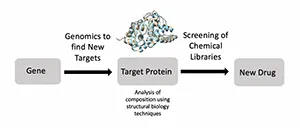
Genomic scientific discoveries have led to breakthroughs that develop treatments for uncommon diseases. Every discovery of genetic cause in medical conditions helps develop precise treatments by using gene therapy and antisense oligonucleotides and enzyme replacement therapies. Genomic research provides sufficient understanding to permit the use of existing medications as treatments after a review of molecular data. Medical practitioners can use information about metabolic pathway gene mutations to develop dietary and vitamin-based therapeutic plans. Referred trials of precision medicine that use genomic data expansion now provide medical treatment possibilities to people who earlier lacked therapeutic options.
Bridging the Global Gap: Access and Equity in Genomic Medicine
The innovative applications of genomics encounter serious barriers due to unequal access distribution in the population. Global genomic testing methods remain inaccessible to low- and middle-income countries because of their high prices and limited facilities as well as insufficient expertise among healthcare personnel. Genomic services remain inaccessible to many populations worldwide thus proper investment in genomic facilities alongside international knowledge-sharing programs and free-access genomic data databases must occur to resolve this inequality.
The democratization of genomic medicine by mobile sequencing tools combined with cloud-based analysis depends on policy-level strategies to prevent any patient from remaining unaccessed.
The Future of Genomics in Rare Disease Diagnosis
Rare disease diagnosis will undergo ongoing developments in genomic science throughout the near future. The diagnostic yield and turnaround times in rare disease diagnosis will improve through the implementation of long-read sequencing combined with multi-omics integration and AI-assisted variant interpretation. A combination of real-time genomic sequencing performed at the healthcare setting with distributed genomic database infrastructure leads to the potential development of fast and swift disease diagnosis techniques. The transition of genomic technologies from research to clinical care will intensify their diagnostic capabilities in rare diseases which will convert many patients' uncertainties into precise medical answers throughout the world.
Conclusion: Genomics as the Compass for Rare Disease Care
Rare diseases typically require extensive time periods with high levels of diagnostic uncertainty from initial symptom presentation until proper identification of the disease. Through genomics healthcare professionals now have an effective tool which reveals genetic origin factors in complex medical cases. For rare disease medicine genomics introduced an innovative period that delivers precise answers to patients while assisting treatment selection and genetic counseling for families. The promise of genomics to deliver complete diagnostic clarity to every patient shows stronger signs of fulfillment because of expanding technology and enhanced availability.