

The Rapid Evolution of Medical Technology
Isn’t it incredible how quickly medical technology is advancing? It’s completely transforming the way doctors diagnose, monitor, and treat patients every day. Imagine this: ultrasound machines are shrinking so much that they can now fit right in your pocket! What used to take up an entire room is now a sleek, handheld device that doctors can carry around, making instant, on-the-go diagnostics easier than ever.
And that’s not all. For those working with pacemakers and implantable cardioverter-defibrillators (ICDs), there are exciting new tools on the horizon. Picture this: programming a pacemaker without having to push around bulky machines. These new developments are set to save time, reduce physical strain on physicians, and enhance patient care. It’s not just about making things more convenient – it’s about revolutionizing healthcare delivery to be more streamlined and effective for both patients and providers.
The future of medical technology is here, and it’s bringing incredible changes that make healthcare more accessible, efficient, and patient-centered. Exciting times are ahead, and these innovations are just the beginning!
The Ultrasound Revolution
When you think of ultrasound, you probably picture that fuzzy black-and-white image of a baby in the womb. But ultrasound is so much more than that. It's a tool that helps doctors answer important questions like, “Is there fluid around the heart or lungs?” or “Does this patient have heart failure or kidney issues?” It’s crucial for diagnosing all sorts of conditions.
In the past, these ultrasound machines were huge and heavy, making it a hassle to move them around. Imagine trying to wheel one of those into a crowded emergency room – it wasn’t exactly easy. But things have changed in a big way. Now, we have handheld ultrasound devices that fit right in your hand. These little gadgets are making a big impact.
Whether you're in a busy hospital or out in a rural clinic, these handheld ultrasounds are lifesavers. Paramedics use them to make quick diagnoses on the go, especially in trauma situations. And while the bigger machines still give you the clearest images, these handheld versions are catching up fast. They’re perfect for quick check-ups and making sure patients get the right care right away.
Shrinking Pacemaker/ICD Programmers
But it’s not just ultrasound that’s getting a makeover. Pacemaker and ICD programmers have also shrunk down from being giant machines to something you can carry in your pocket. It’s pretty amazing when you think about it.
These programmers used to be big and clunky, and moving them around wasn’t fun. Now, some are so small they can connect to a tablet, like an iPad, making it super easy for doctors to tweak the settings on a pacemaker or ICD. This isn’t just about convenience – it’s about giving doctors the tools they need to help patients faster and more efficiently.
Why Smaller is Better
There's more to this than just shrinking the size of machines. For healthcare providers, not having to haul heavy equipment around is a big relief. It’s better for their health, and it lets them focus more on what really matters – taking care of patients.
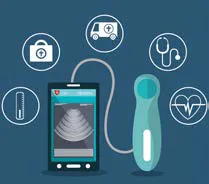
Gone are the days of lugging around bulky equipment that strains your back and eats up time. Today’s handheld ultrasound machines and compact pacemaker programmers are light, easy to carry, and can be used right at the patient’s bedside. This not only reduces physical strain but also speeds up the entire process, allowing doctors to focus more on patient care and less on managing cumbersome tools. For example, instead of wheeling a large ultrasound machine down endless hallways, a doctor can now pull out a pocket-sized device and get real-time images in seconds. The same goes for pacemaker programming – what used to require a heavy console can now be done with a small device connected to a tablet. These innovations make a world of difference, especially in fast-paced or emergency settings where every second counts.
In emergencies, every second matters. Handheld ultrasounds and portable pacemaker programmers allow for immediate diagnosis and treatment. For example, a paramedic with a handheld ultrasound can assess a trauma patient right at the scene, which can be critical in saving lives. That can make all the difference in an emergency.
Smaller devices can also be less intimidating for patients, especially in stressful situations. They allow for quicker, less invasive diagnostics, reducing the anxiety and discomfort associated with larger, more complex machines.
But it’s not just about convenience. These smaller devices also help reduce work overload. With more portable tools available, doctors can perform diagnostics on the spot, see more patients in a day, and even collaborate with colleagues instantly by sharing data wirelessly. This kind of efficiency lightens the workload and helps prevent burnout, making healthcare more sustainable for everyone involved.
Additionally, smaller devices can be more cost-effective, reducing both the upfront costs and ongoing maintenance expenses. This makes advanced medical technology more accessible to a wider range of healthcare facilities, including those with limited budgets.
Challenges of Going Smaller
The shift to smaller devices brings significant benefits, but it’s not without its challenges. Miniaturized devices often struggle with battery life, especially when used for extended periods. Ensuring these devices have enough power to operate continuously can be challenging, particularly in emergency situations where there's no time to recharge.
While handheld ultrasound devices and other small medical tools are rapidly improving, they still generally can’t match the image resolution and detail provided by their larger counterparts. This limitation can be critical in certain diagnostic situations where the highest level of detail is crucial.
Smaller devices, especially those that are handheld or wearable, are more prone to physical damage from drops, bumps, and general wear and tear. Ensuring these devices are durable enough for daily use in demanding environments is a significant challenge.
As these devices become more connected, often integrating with smartphones or cloud-based platforms, data security becomes critical. Protecting patient information while maintaining seamless connectivity is a complex and ongoing challenge.
Transitioning to smaller, more advanced devices often requires training and adaptation. Healthcare providers need to learn how to use these new tools effectively, which can be a hurdle in busy clinical environments where time for training is limited.
What’s Next: The Future of Medical Devices
The transition from large, stationary machines to small, portable ones is just the beginning. The future of medical devices is even more exciting as we move towards wearable technology. Imagine a world where monitoring and treating patients doesn’t require them to be tethered to a hospital bed or even to visit a clinic. We’re on the verge of seeing devices that are not only portable but wearable, allowing for continuous monitoring and real-time data collection, no matter where the patient is.
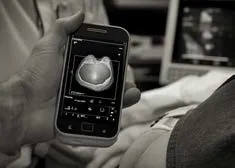
In the near future, wearable ultrasound patches could become a reality, allowing patients to wear them for extended periods and enabling constant monitoring of vital organs without needing to visit a healthcare facility. These devices could transmit real-time data to doctors, alerting them to potential issues before they become serious. The possibilities are endless – wearable ECG monitors, blood pressure sensors, and even glucose monitors are already making waves, seamlessly integrating into patients’ daily lives.
Wearable pacemakers and defibrillators could also emerge, giving patients greater freedom while still ensuring they’re under constant surveillance for any signs of trouble. These advancements would allow healthcare providers to respond immediately to any issues, potentially saving lives by catching problems before they escalate.
Artificial intelligence (AI) will likely play a significant role in these devices, analyzing the continuous stream of data and predicting potential health issues before they occur. With AI and machine learning, wearable devices could learn a patient’s normal patterns and detect even the slightest deviations that might indicate a problem, providing an early warning system for both patients and healthcare providers.
The Big Picture: A New Era in Healthcare
As we move forward, the focus is on making healthcare more personalized and accessible. Smaller, portable, and wearable devices are leading this revolution, enabling continuous care that goes wherever the patient goes. These innovations are not just about convenience; they’re about fundamentally changing how healthcare is delivered – making it more proactive, preventative, and patient-centered.
Imagine a future where a patient can leave the hospital with a suite of wearable devices that monitor their condition in real time, send updates to their doctor, and adjust their treatment on the fly. This isn’t science fiction – it’s a glimpse of what’s to come as medical technology continues to evolve.
The shift from big to small isn’t just a passing fad – it’s a total game-changer. Think about it: handheld ultrasounds, portable pacemaker programmers, and wearable medical devices are just scratching the surface. AI is here to stay, and it's up to doctors to lead the charge in mastering it. While AI can revolutionize healthcare, it’s crucial that it stays a tool in human hands, not the other way around. Physicians need to stay ahead of the curve to make sure AI works effectively and ethically for patients. These innovations are making healthcare more accessible and efficient, bringing the focus back to where it truly matters: on the patient.