1. What is the primary vision behind MedTech World events, and how do they support your broader mission for the global MedTech ecosystem?
Our vision has always been simple: to bring the right people together so that meaningful progress in healthcare can happen. MedTech World started as a single event in Malta, built on the belief that collaboration across borders and disciplines is essential in this space. Today, we host four flagship events annually, but the goal remains the same, to connect the global MedTech and healthcare community wherever there is a need.
For us, success is not measured by scale alone. It is reflected in outcomes: when a device reaches the market, when a startup secures the funding it needs, or when a partnership leads to better patient care. That is what continues to guide our work.
Beyond the conference setting, we also place strong emphasis on creating shared experiences through networking formats such as cultural tours, curated luncheons, and evening receptions. These moments allow participants to connect in a more natural and open environment, often leading to more meaningful relationships.
2. MedTech World is recognized for its strong networking focus, how do you ensure these interactions are meaningful and outcome-driven rather than just high in volume?
We are very intentional about how networking happens at our events. It is not left to chance. Through the MedTech World Match app, participants can schedule one-to-one meetings in advance, ensuring that conversations are targeted and relevant from the outset.
Alongside this, we host closed-door forums such as our CEO-only Forum and Investor-only Forum. These are designed for a select group of participants to engage in a more open and honest setting, without pressure or judgment. It creates space for conversations around real challenges, shared experiences, and lessons learned, which are often just as valuable as formal meetings.
The aim is to move beyond surface-level interactions and create space for conversations that can lead to tangible outcomes.
3. In what ways do your events actively enable deal-making, strategic partnerships, and investor-startup matchmaking?
Deal-making is supported through a combination of structure and access. We bring together investors, corporates, healthcare providers, and startups in one place, but more importantly, we create opportunities for them to engage meaningfully.
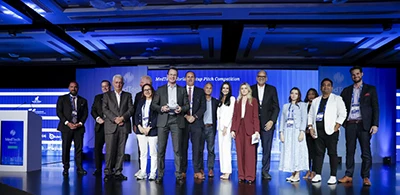
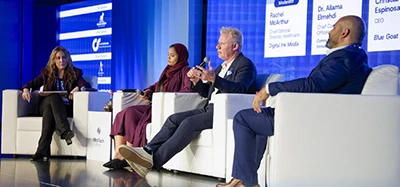
The MedTech World Match app plays a central role in facilitating introductions, while dedicated sessions, investor forums, startup pitch competitions, and curated roundtables provide clear pathways for visibility and engagement. This ensures that participants are not just present but actively connecting with the right stakeholders.
4. Could you share any notable success stories or measurable business outcomes that have emerged from your events?
Over the years, we have seen numerous collaborations take shape following our events, from funding rounds to strategic partnerships.
An example from MedTech World Europe illustrates this well, where an informal boat experience led to an unexpected collaboration between Andreas Forsland, founder of Cognixion, and investor María Nyäkern. During a cultural boat tour organised as part of the event, the two spent several hours in conversation discussing topics ranging from AI ethics to healthcare systems. At the time, Cognixion was not actively raising capital, and Nyäkern was not searching for new investments.
What followed was a conversation without a pitch deck or formal agenda, simply an exchange of ideas. The connection continued beyond the event, eventually leading to a strategic investment in Cognixion.
We have also seen startup pitch competition winners leave our events with seven-figure commitments, returning in subsequent editions as they continue to grow. These are just a few examples, but they reflect the kind of outcomes we aim to support.
5. What sets MedTech World apart as a preferred platform for exhibitors and sponsors?
What differentiates MedTech World is the intention behind it. We are not driven purely by commercial outcomes; our focus is on creating value for the ecosystem. This translates into a platform where exhibitors and sponsors are part of a wider conversation, rather than operating on the sidelines.
They are given access to a highly relevant audience and opportunities to engage in a way that aligns with their goals, whether that is visibility, partnerships, or market insights.
In addition, elements such as our awards night, where we recognise innovation and individuals making an impact in the industry, create further visibility and credibility for participants. We also host a charitable auction, with proceeds supporting the SiGMA Foundation, the philanthropic arm of the SiGMA Group, reinforcing our broader commitment to impact beyond the event itself.
6. How do you support exhibitors in maximizing their return on investment across the entire event lifecycle?
Support begins well before the event and continues long after it concludes. We work closely with exhibitors to understand their objectives and help position them effectively, whether through speaking opportunities, targeted introductions, or visibility across our channels.
The MedTech World Match app also allows them to schedule meetings in advance, ensuring they arrive with a clear plan. Post-event, the connections made can continue, extending the value beyond the days on-site.
7. What evolving trends are you observing in how sponsors and exhibitors approach event participation today?
There is a clear shift towards more focused and outcome-driven participation. Sponsors and exhibitors are looking for measurable value, quality over quantity. They want access to the right people, not just large audiences.
There is also greater emphasis on engagement before and after the event, rather than limiting activity to the days on the ground. This is something we have adapted to by strengthening our digital tools and ongoing community engagement.
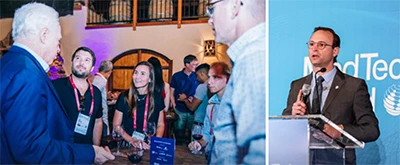
8. Who typically attends MedTech World events, and how do you ensure a high-quality and relevant audience mix?
Our audience includes startups, investors, corporates, healthcare providers, regulators, and service providers across the medtech and healthcare spectrum.
We place strong emphasis on curation to ensure that the mix is balanced and relevant. This is key to maintaining the quality of interactions and ensuring that participants are able to connect with stakeholders who align with their objectives.
9. How do you ensure that connections made during the event translate into long-term value and collaboration?
It starts with creating the right environment for meaningful conversations, but it does not end there. Tools like the MedTech World Match app allow participants to maintain and build on those connections beyond the event itself.
Equally important is the sense of community we aim to foster. When people feel part of a broader network, they are more likely to continue engaging and collaborating over time.
10. Based on insights from your events, what key trends and challenges are currently shaping the European MedTech landscape?
We are seeing continued innovation across digital health, AI, and medical devices, but there are also clear challenges around funding, regulatory pathways, and market access.
Startups, in particular, are navigating a more selective investment environment, which makes strong partnerships and strategic alignment even more important. Europe remains a strong hub for innovation, but connecting that innovation to capital and markets continues to be a key focus.
11. What role do industry events like MedTech World play in driving innovation, collaboration, and investment in healthcare?
Events play a critical role in bringing together stakeholders who might not otherwise interact. Innovation does not happen in isolation, and neither does investment.
By creating a space where ideas, capital, and expertise come together, events can help accelerate progress in a way that is difficult to achieve through virtual interactions alone.
12. What new formats, regions, or innovations can we expect from MedTech World events in the near future?
We will continue to expand both geographically and in terms of format, always guided by where there is a need within the ecosystem. From our beginnings in Malta, we have grown to host four flagship events annually, and that evolution will continue.
At the same time, we are exploring new ways to enhance interaction and engagement, both in-person and digitally, to better serve our global community.
13. How do you see the role of in-person events evolving alongside the rise of digital and hybrid experiences?
Digital tools have become an important complement, but they do not replace the value of in-person interaction. Face-to-face conversations still play a key role in building trust and establishing relationships.
The future lies in combining both, using digital platforms to extend reach and continuity, while maintaining the depth and quality of in-person engagement.
14. What advice would you give to startups looking to stand out and connect with the right investors at such events?
Clarity is essential. Startups should be able to communicate their value proposition clearly and understand what they are looking to achieve from the event.
Preparation also matters; using tools like the MedTech World Match app to schedule meetings in advance can make a significant difference. Ultimately, it is about being focused, authentic, and open to meaningful conversations.
15. What key strategies should exhibitors and sponsors adopt to maximize visibility and generate quality leads?
It starts with defining clear objectives and aligning their presence accordingly. Visibility is important, but it should be tied to meaningful engagement.
Proactive outreach, scheduled meetings, and active participation in the programme all contribute to stronger outcomes. The most effective participants are those who approach the event as an opportunity to build relationships, not just showcase their offerings.
Read the full article — it's free
Register with EuropeanHHM to unlock expert insights, research articles and in-depth industry analysis.