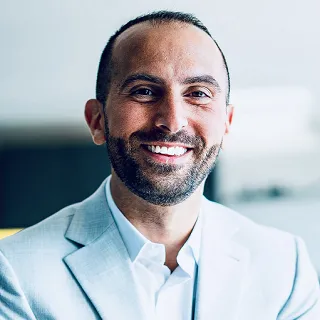
Q1. What inspired your approach to leadership in healthcare?
Leadership begins with a simple belief: people first, always. When I entered my current role, I was deeply inspired by the extraordinary dedication of our staff and the trust placed in us by thousands of residents, clients, and families. But I also saw the challenges: an aging population, rising care demands, workforce pressures, and the growing need for more connected and sustainable systems of care.
From the very beginning, my goal has been to listen first to our residents, staff, families, and community partners and to shape a vision that reflects their needs. That vision is rooted in creating a life worth living, not just adding years.
For me, leadership is about creating the conditions for innovation and empowering others to bring their best ideas forward. At Northwood, we focus on being bold, thinking differently, and putting compassion at the heart of every decision we make.
Q2. How do you foster a culture of innovation within your teams?
Innovation does not happen by accident. It thrives when leaders create an environment where people feel safe to experiment, challenge norms, and take ownership of solutions. At Northwood, we have built a culture where ideas from every level of the organization are not only welcomed but celebrated.
Part of what makes this current organization unique is its history of innovation. Since our founding in 1962, it has always been a place of firsts. We were among the earliest organizations in Canada to champion a vision where seniors are not simply cared for but are empowered to live more fully. That pioneering spirit has guided our evolution, from building one of the province’s first long-term care facilities to developing community-based care models and introducing technology-driven initiatives through SMARTech.
Today, that same culture drives everything we do. Whether it is redefining how we deliver care, embracing new technologies, or creating programs that connect residents with their communities, we remain committed to leading the way. This spirit of innovation is not reserved for leadership; it comes from every corner of the organization. We have created spaces where interdisciplinary teams collaborate, test ideas, and learn together, ensuring that innovation stays grounded in the realities of those we serve.
Q3. How important are AI and data in shaping the future of care?
AI and data are critical tools in transforming healthcare, especially for healthcare organizations that serve diverse and complex populations. Data gives us insight, and AI helps us turn that insight into actionable solutions that improve care, enhance quality of life, and make our systems more sustainable.
We are currently exploring how data-driven decision-making can improve everything from care planning to workforce optimization. By leveraging analytics, we can better predict emerging needs, identify risks earlier, and personalize care for each resident. For example, early-warning systems powered by AI can flag subtle changes in a resident’s health before they escalate into crises, allowing us to intervene proactively and avoid unnecessary hospital visits.
AI also supports our teams behind the scenes. From optimizing staffing patterns to streamlining administrative processes, technology is helping us create efficiencies so caregivers can focus on what matters most: human connection.
We believe the future of care will be built on intelligent systems that work alongside compassionate teams. By combining the strengths of AI, predictive analytics, and the expertise of our staff, we are creating models of care that are more responsive, personalized, and sustainable.
Q4. What advice would you give emerging leaders hoping to drive innovation?
The first piece of advice I would offer is to start with empathy. Innovation begins by deeply understanding the needs of the people you serve, including residents, clients, families, and staff. Spend time listening to their stories and challenges. The best solutions are often simple, but they must be rooted in real human experience.
Second, empower your teams. Some of our most impactful initiatives have come from cross-disciplinary collaboration and co-design with staff, residents, and families. Giving teams the freedom to experiment, contribute ideas, and shape solutions has allowed us to deliver programs that create meaningful improvements in quality of life.
Third, embrace partnerships. Many of our successes are the result of working closely with government, local hospitals, tech innovators, and community organizations. Innovation requires collaboration across sectors, especially when addressing complex issues like seniors’ care, mental health, and evolving models of community-based support.
Finally, stay curious and adaptable. Healthcare is evolving quickly, and leaders must be open to challenging old assumptions, trying new ideas, and learning from failure. We have built an organization where small pilots, rapid feedback loops, and open communication help us adapt faster and deliver better outcomes.
Q5. Looking ahead, where do you see the biggest opportunities in healthcare innovation?
I believe the future lies in integrated, personalized, and community-based models of care. Seniors want to live independently, stay connected to their communities, and have access to the supports they need without navigating fragmented systems.
We are developing innovative care models that bring medical, social, and technological supports into one seamless experience. This includes:
- Personalized daily living supports designed around individual preferences and goals
- Integrated clinical services delivered closer to home, reducing avoidable hospital visits
- Technology-driven insights to anticipate changes in health and provide proactive interventions
- Partnerships with local hospitals and government to coordinate care more effectively
We are also focused on addressing mental health, wellness, and social connection. Programs that promote engagement and reduce isolation are helping residents create meaningful relationships and routines. Scaling these types of programs across more communities has the potential to significantly improve quality of life for seniors.
Ultimately, healthcare innovation is not about technology alone. It is about designing systems around people. By focusing on dignity, independence, and belonging, we can create a future where seniors not only live longer but live better.