1. In what ways has the COVID-19 pandemic catalyzed a permanent shift in the clinical management of movement disorders through telehealth?
Wael Mohamed: The pandemic accelerated telehealth adoption, making remote consultations standard. Permanent shifts include hybrid care models, remote monitoring via wearables, and reduced geographic barriers. Telehealth now complements in-person visits, especially for routine follow-ups, enhancing accessibility while maintaining the continuity of care for chronic conditions such as Parkinson’s disease.
2. How do you define the ethical boundaries of remote neurological assessments, particularly when evaluating subtle motor or cognitive symptoms in Parkinson’s disease?
Christine Doss Esper: Ethical limits involve ensuring diagnostic accuracy for subtle symptoms (e.g., rigidity) and equitable technological access. More clear guidelines are needed to determine when an in-person evaluation is required. Informed consent must address remote limitations, and privacy protocols must secure sensitive data, balancing convenience with clinical rigor.
3. What are the nuances of establishing clinical rapport and trust in telemedicine encounters, especially with patients dealing with chronic, progressive movement disorders?
Mitra Afshari: Establishing trust requires intentional communication, active listening, and empathy. Video platforms help capture non-verbal cues. Involving caregivers aids in clarifying symptoms. Consistent virtual interactions and technological support foster familiarity, crucial for patients with progressive disorders requiring long-term engagement.
4. How have standards of care evolved for telehealth visits, and what challenges remain in maintaining diagnostic accuracy in virtual neurology?
Wael Mohamed: Standards now emphasize structured virtual exams (e.g., MDS-UPDRS adaptations) and validated tools. Challenges persist, including limited hands-on assessment, variable video quality, and patient self-reporting biases. Training in virtual neurology and technological improvements aim to bridge accuracy gaps.
5. What innovative methodologies or tools have emerged for remotely evaluating bradykinesia, tremor, rigidity, and postural instability?
Christine Doss Esper: Wearables (accelerometers), smartphone apps, and AI-driven video analysis may quantify bradykinesia/tremor. Home-based tasks (finger-tapping) are recorded for review. These tools enhance objectivity but require validation against clinical benchmarks.
6. How has the use of wearable technology and AI enhanced the diagnostic and therapeutic capabilities of telehealth in movement disorders?
Mitra Afshari: Wearables enable continuous symptom tracking, while AI analyzes trends for personalized interventions. This combination may improve early detection of motor fluctuations and medication adjustments remotely, although data overload,interpretation complexity, and reimbursement limitations remain hurdles.
7. In your experience, what specific limitations persist when applying telemedicine to the initial diagnosis versus long-term management of Parkinson’s disease?
Wael Mohamed: Initial diagnosis risks inaccuracies without a hands-on exam. Long-term management benefits from remote monitoring, but may also miss subtle progression. Reliance on patient/caregiver reporting and technological literacy gaps affect both phases.
8. How do you envision hybrid models of care (combining in-person and virtual visits) shaping the future of multidisciplinary management in neurodegenerative diseases?
Christine Doss Esper: Hybrid care optimizes resource use: in-person visits for complex assessments as well as virtual check-ins for routine monitoring. Multidisciplinary teams collaborate via shared platforms, enhancing coordination while reducing patient burden.
9. What lessons have been learned from patient and caregiver feedback that have directly informed best practices in virtual movement disorder clinics?
Mitra Afshari: Feedback highlights needs for user-friendly interfaces, caregiver training, and flexible scheduling. Patient’s value reduced travel but stress technological accessibility, prompting clinics to offer loaner devices and multilingual support.
10. Could you elaborate on how telemedicine platforms can be adapted to reflect the socio-cultural and technological realities of patients in low-resource or rural settings?
Wael Mohamed: Adaptations include SMS-based systems, low-bandwidth apps, and community health worker partnerships. Culturally tailored content and offline tools (e.g., symptom diaries) address technological gaps, ensuring equity in care delivery.
11. What training frameworks or competency models would you recommend for clinicians newly adopting telehealth in movement disorders?
Christine Doss Esper: Competencies include virtual exam techniques, technological troubleshooting, and empathetic communication. Simulation modules and certification programs (e.g., American Academy of Neurology guidelines) standardize skills, ensuring quality in remote care.
12. How do legal and regulatory frameworks differ across regions, and how might this affect the global scalability of tele-neurology services?
Mitra Afshari: Differing licensure, privacy laws (e.g., General Data Protection Regulation), and reimbursement policies hinder global scalability. Advocacy for cross-border licensure compacts and harmonized data rules is critical for expansion.
13. What are the most promising research avenues involving AI-driven telehealth for movement disorders, and what ethical dilemmas might they raise?
Wael Mohamed: AI promises predictive analytics and tailored therapies, but also raises concerns about algorithmic bias, informed consent, and data security. Transparent AI development and inclusive datasets are vital to mitigate risks.
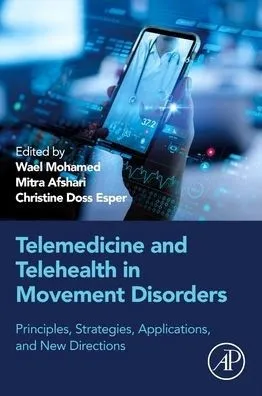
14. Finally, what core message or shift in perspective do you hope clinicians, policymakers, and researchers will take away from this book?
Christine Doss Esper: Telehealth is a complementary tool, not a replacement. Prioritize equity, patient-centered design, and interdisciplinary collaboration. Policymakers must address infrastructure gaps to ensure inclusive, sustainable models.