
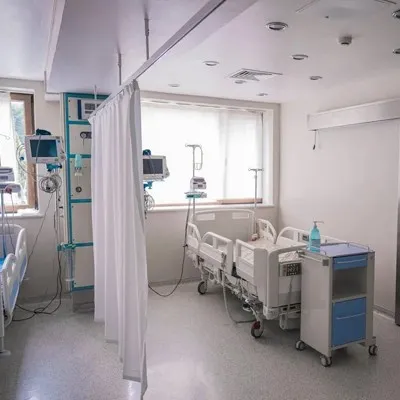
Medical facilities exist as the highest level of complexity when it comes to management and upkeep. Healthcare facilities need an exact mix of reliable infrastructure and regulatory adherence together with patient security and improved operational output. Hospitals together with healthcare centers operate through all hours daily while needing to follow exact standards on hygiene together with safety and technology requirements. The consequences of inadequate maintenance at healthcare facilities extend into equipment breakdowns and rise in infections as well as generate legal troubles.
The healthcare sector evolves through continuous progress of medical technology alongside changing patient requirements alongside growing operational expenses. Healthcare facility managers need to implement modern operational approaches to support function alongside developing regulatory requirements. The multiple healthcare facility maintenance challenges include energy-efficient measures alongside cybersecurity threats and readiness for emergencies along with infection containment protocols which demand active management.
A thorough investigation reveals the critical healthcare facility maintenance issues which this document explains alongside solutions that create operational efficiency for excellent patient care.
Key Challenges in Healthcare Facility Maintenance
1. Regulatory Compliance and Standards

The Challenge
To operate healthcare facilities organizations must follow numerous criteria which include:
- Joint Commission (TJC) accreditation
- Occupational Safety and Health Administration (OSHA) regulations
- National Fire Protection Association (NFPA) codes
- Centers for Medicare & Medicaid Services (CMS) requirements
- Health Insurance Portability and Accountability Act (HIPAA) guidelines
When compliance standards are broken the result includes both legal consequences and financial penalties as well as temporary shutdowns of healthcare facilities. Healthcare organizations need to track all regulatory updates in order to maintain compliance with the current requirements through their maintenance procedures.
The Solution
- Healthcare facilities should use a Computerized Maintenance Management System (CMMS) for recordkeeping both compliance regulations and maintenance schedules.
- The organization performs regular audits in combination with staff training sessions which help it monitor current regulatory changes better.
- The organization should partner with external compliance consultants to verify that its industry standards remain compliant.
- Maintenance teams should develop task forces for compliance to handle both regulatory requirements and continuous process advancement.
2. Aging Infrastructure and Equipment
The Challenge
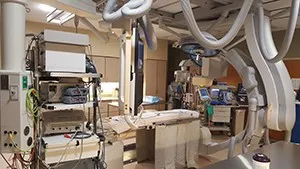
Numerous healthcare centers maintain old infrastructure structures together with outdated medical tools. Medical facilities encounter regular breakdowns throughout their HVAC systems plumbing along with electrical systems and elevator systems that both disrupt treatment provision and endanger facility security. The lack of major renovations throughout many decades of operation in hospitals results in operational inefficiencies and raises total maintenance expenses.
The Solution
- Preventive Maintenance Programs: Equipment lifespan gets extended while unexpected failures become prevented through scheduled maintenance procedures.
- Energy-Efficient Retrofitting: The performance and price both improve when old systems get replaced with performance-enhanced energy-saving solutions during retrofitting operations.
- Capital Planning for Replacements: Medical facilities must create a strategic capital planning process to replace their infrastructure by following budget guidelines and ordering priorities.
- Implementing IoT-Based Monitoring: Healthcare institutions can use smart sensors with predictive maintenance features to conduct IoT-Based Monitoring which detects equipment failures during their initial stages.
3. Infection Control and Sanitation
The Challenge
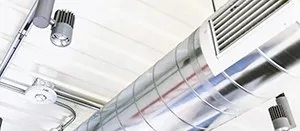
Medical facilities across healthcare must manage Hospital-acquired Infections (HAIs) as a critical issue. The spread of infections occurs through neglected HVAC systems and plumbing systems as well as lapses in surface maintenance. Improper cleaning of medical equipment along with contaminated surfaces creates severe risks that threaten the safety of patients.
The Solution
- Anti-microbial protective substances should be applied to surfaces which patients and staff touch often in order to stop bacteria spread.
- Healthcare establishments should implement smart ventilating systems equipped with HEPA filters and activated UV disinfection systems which maintain environmental air quality.
- Hospitals should conduct cleaning operations with performance standards that require hospital-grade disinfectants and automated equipment.
- Hospital facilities should implement touchless systems that include automatic door systems and hands-free faucets and voice-activated elevator controls for decreasing physical interactions between patients and staff.
4. Workforce Shortages and Training Deficiencies
The Challenge
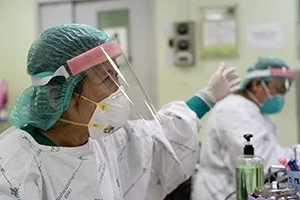
A severe deficit exists in healthcare maintenance professionals who have the required expertise. Medical technology developments demand regular upskilling of both facility managers and maintenance personnel. The high turnover rates and aggressive employment markets force hospitals to fight for keeping their skilled technicians within their staff.
The Solution
- The organization should increase compensation coupled with valuable employee benefits to recruit and maintain their workforce of skilled technicians.
- The organization should deliver complete ongoing education programs along with certification courses in emerging technology systems and compliance regulations.
- The facility implements specialized maintenance tasks through outsourcing agreements with facility management services.
- Remote monitoring systems enable teams to receive expertise in real-time for on-site staff support.
5. Cybersecurity Threats in Healthcare Facilities

The Challenge
Hospitals operating digital healthcare systems now face increasing dangers to their cybersecurity infrastructure. Building automation systems as well as medical devices along with maintenance software contain vulnerabilities that create openings for data breaches while disrupting operations. The combination of cyberattacks on patient information together with facility control systems creates substantial dangers for healthcare facilities.
The Solution
- To enhance security all facilities need to establish comprehensive cybersecurity rules by using firewalls together with encryption and multi-factor authentication systems.
- The organization must perform regular software and firmware updates to prevent security weaknesses from occurring.
- Industrial organizations must train their employees in cybersecurity excellence for blocking phishing attempts and stopping unauthorized digital entry.
- The implementation of Zero Trust security models should be considered to restrict access to vital systems and related data.
6. Energy Management and Sustainability

The Challenge
Medical facilities maintain high energy demand because of their comprehensive infrastructure including various medical tools and lighting systems HVAC systems and refrigerators. Efficient solutions need implementation by facility managers due to both increasing energy expenses and sustainability targets.
The Solution
- Facility employees should perform energy audits which enable them to discover and repair inefficiencies.
- The organization should invest in solar panels as well as energy-efficient lighting systems among renewable energy solutions.
- Healthcare facilities can lower their energy waste through smart building technology which also enables them to maximize their energy utilization.
- Sustainable construction materials and energy-efficient building designs should be implemented during the development of green hospital facilities.
7. Emergency Preparedness and Disaster Management

The Challenge
Hospitals need complete readiness to manage emergencies that involve natural disasters as well as power outages and pandemics. The absence of proper planning creates disorder which deteriorates the quality of patient medical attention.
The Solution
- A hospital should create emergency preparedness plans which require periodic testing to validate operational efficiency.
- A systematic program for generator testing must be established to validate continuous backup power and institutions should purchase backup power generation systems.
- Staff along with patients and emergency personnel must have established methods to communicate with each other.
- Medical devices together with fuel and food that services as an emergency backup should remain stocked as disaster reserves.
8. Supply Chain Disruptions
The Challenge
Healthcare supply chains became more visible during the COVID-19 pandemic because of their revealed weaknesses. Medical facility operations become severely impacted because of essential medical supply shortages as well as maintenance part shortages and PPE (Personal Protective Equipment) shortages.
The Solution
- Healthcare facilities should create strategic supplier alliances with several businesses to distribute supply requirements across various sources.
- The organization should keep critical maintenance supply inventories at sufficient levels.
- The organization should use predictive analytics tools to predict upcoming customer needs and stop inventory shortfalls.
- The organization should look for multiple supply sources and create emergency backup stock to minimize disruptions.
9. Patient Experience and Comfort
The Challenge
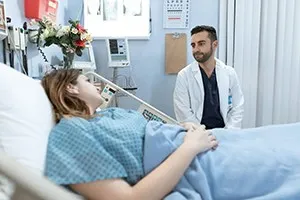
A facility that remains poorly maintained causes adverse effects on patient experience which results in both unfavorable satisfaction scores and negative reputation within the community.
The Solution
- The installation of advanced systems will improve the quality of indoor air as well as the patient comfort by managing temperature control.
- Noise reduction procedures should be implemented as part of the strategy to construct a healing environment.
- The organization needs to conduct periodical patient surveys that follow up with immediate solutions for identified issues.
- Modern amenities together with aesthetic enhancements should replace current amenities in waiting areas and patient rooms.
Conclusion:
Healthcare facility maintenance presents an intricate problem that needs both strategic organizational efforts alongside acceptance of modern technology solutions and conformity to official regulations. The combination of preventive maintenance approaches along with expert workforce training while using intelligent systems and meeting all health regulations leads healthcare facilities to achieve improved safety standards while attaining operational excellence and sustainability goals.
Healthcare organizations need innovative solutions together with best practices to overcome their challenges while maintaining high-quality health services delivery in evolving healthcare systems. The work of facility maintenance teams guarantees the operational resilience along with functional status of healthcare institutions which results in superior patient care and enhanced operational effectiveness.