

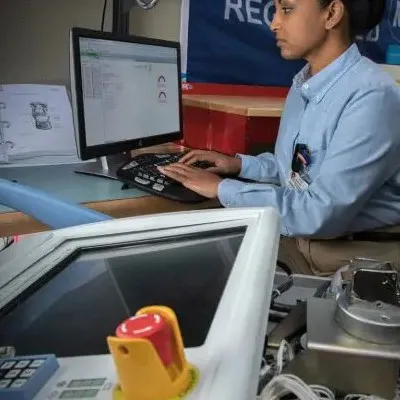
The adherence to engineering along with maintenance standards in healthcare facilities remains mandatory for achieving safety targets and maintaining regulatory commitment and operational excellence. Healthcare facilities need to fulfill strict performance criteria from national as well as international regulatory bodies which guarantee their high standard operational practices on infrastructure and equipment maintenance.
The article reviews essential healthcare engineering compliance rules and best practices along with maintenance difficulties and current trends.
1. Why Compliance Matters in Healthcare Engineering and Maintenance

Key Benefits:
• Patient Safety: The maintenance of equipment leads to operational safety by minimizing device failures which produces incorrect medical results or extended treatment times. Efficacious equipment maintenance provides medical devices with accurate and reliable functionality.
• Regulatory Compliance: Medical facilities can fulfill their required standards through this approach while avoiding possible penalties. Healthcare facilities face severe consequences when they fail to follow regulatory standards because this leads to heavy penalties and facility closures along with legal responsibilities.
• Operational Efficiency: Healthcare facilities operate without interruption through the regular maintenance process which shortens equipment downtime. Organizational maintenance methods both lengthen operational periods and enhance workplace operational productivity.
• Cost-Effectiveness: Maintenance initiatives reduce future fix costs which allows equipment to remain operational for increased periods. Equipment durability increases through preventive maintenance because emergency fixes together with expensive component replacements become less frequent.
Healthcare facilities that comply with standards generate trust within their public audiences because they maintain peak safety and quality standards.
2. Regulatory Standards Governing Healthcare Engineering and Maintenance

Healthcare quality and safety rely on regulatory body regulations which outline engineering approaches and maintenance requirements. The following list details the essential regulations which healthcare facilities need to follow:
NFPA 99 – Health Care Facilities Code
• The standard addresses safety requirements related to fire protection as well as electrical safety and medical gas management.
• Mandates proper installation and maintenance of electrical and life-safety systems.
• Medical equipment assessment must be based on a risk analysis that evaluates equipment per potential failure severity.
OSHA (Occupational Safety and Health Administration) Guidelines
• Focuses on workplace safety for healthcare staff and patients.
• The standard addresses both ventilation systems together with hazardous materials handling and facility emergency readiness.
• The Department supervises healthcare facilities to follow procedures related to managing hazardous waste and controlling infections within medical settings.
The Joint Commission (TJC) Accreditation
• The organization performs regular inspections of emergency power systems maintenance together with water quality management and medical equipment upkeep.
• Permanent documentation of both maintenance work and compliance inspections needs to be kept on file before periods of scheduled checks.
ASHRAE 170 – Ventilation for Healthcare Facilities
• To prevent airborne infections, the policies establish both air change rates along with filtration requirements and humidity control guidelines.
• Healthcare facilities must implement ventilation systems which reduce hospital-level and operating room and intensive care unit contaminant spread.
IEC 60601-1 Standard for Medical Electrical Equipment
• Medical devices such as ventilators alongside MRI machines must exhibit both safety levels as well as operational performance according to these standards.
• Healthcare equipment needs to fulfill three main sets of standards regarding electricity, machinery and environmental conditions.
The healthcare standards create ongoing progress to deal with both new healthcare issues and modern technological developments. Hospitals need to monitor updates and perform necessary adjustments which sustain their frameworks in compliance.
3. Best Practices for Ensuring Compliance
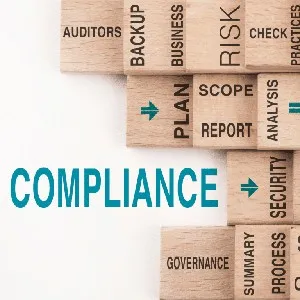
The introduction of best practices by engineering and maintenance teams allows institutions to meet mandatory healthcare requirements and deliver safe reliable operations in their facilities.
Preventive and Predictive Maintenance
• The preventive measure of strict inspections on HVAC systems and electrical systems and plumbing structures helps prevent operational breakdowns.
• The hospital functions a systematic approach to perform the planned upkeep sessions of medical equipment as well as elevator operations and fire prevention systems.
• Data analytics through IoT sensors authenticate potential failures at their early stages while they are still inactive.
• The organization establishes maintenance schedules which followed both manufacturer protocols and regulating standards.
Implementing Facility Management Systems
• Computerized Maintenance Management Systems (CMMS):
o Records of maintenance scheduling along with documentation of compliance remain tracked within the system.
o Audits receive ready access to compliance reports through proper implementation of this system.
o This system enables staff to monitor assets in real-time so they can prevent equipment breakdowns.
• Automated Work Order Management:
o Streamlines repair and maintenance processes.
o Reduces response time to equipment malfunctions.
Workforce Training and Certification
• Maintenance staff receive ongoing education about safety procedures together with proper biohazard substance management practices.
• Regular training on emergency response procedures, infection control, and equipment handling.
• The organization implements certification programs which verify technicians follow both domestic and international maintenance requirements.
Energy Efficiency and Sustainability Initiatives
• Healthcare organizations should integrate smart building automation systems to optimize their energy consumption.
• The site installs LED lights alongside high-efficiency HVAC systems together with renewable energy sources to lower their carbon emissions.
• Building operations use water conservation through both low-flux fixtures and water recycling systems.
• Healthcare facilities can achieve green healthcare goals through implementing green materials during building construction.
Emergency Preparedness Strategies
• Implementation of redundant backup power systems for critical care areas.
• The organization needs to develop recovery plans that would help handle infrastructure problems.
• The facility runs periodic examinations of emergency systems that comprise fire alarms as well as sprinklers and medical gas supply systems.
Creating these practices will improve both compliance standards and the general operational resilience of healthcare facilities.
4. Challenges in Maintaining Compliance

Healthcare organizations encounter many obstacles in their pursuit of complying with engineering and maintenance standards even when they try their best to do so.
Aging Infrastructure
• Hospitals together with healthcare institutions maintain outdated systems whose necessary updates result in expensive replacement costs.
• Older buildings have problems meeting present building standards so they need major renovations to reach regulatory standards.
Budget Constraints
• Healthcare locations with smaller size face an uphill struggle when they must pay for compliance costs.
• Insufficient funding causes healthcare providers to postpone critical maintenance expenses which subsequently raises the probability of system breakdowns combined with regulatory deduction penalties.
Evolving Regulations
• Many compliance standards change regularly so healthcare institutions need to constantly adjust their procedures.
• New healthcare policies demand organizations to spend continuously on both training while investing in modern technology to implement changes.
Cybersecurity Threats
• Healthcare institutions face heightened risk of cyberattacks because of digitalizing their maintenance systems.
• The access of unauthorized individuals to facility management software systems creates dangers that affect both patient safety and operational continuance.
• Strong cybersecurity defenses should be implemented across all infrastructure systems and sensitive data to guarantee their protection.
5. Future Trends in Healthcare Engineering and Maintenance

The advancement of technology drives healthcare engineering along with maintenance procedures to improve enhance compliance and efficiency.
IoT and Smart Sensors
• The hospital infrastructure receives real-time surveillance coverage that expands to include HVAC, water supply and power systems.
• Maintenance teams will automatically receive notification messages through automated systems in case of performance deviations.
• Operational systems use enhanced predictive diagnostic methods in addition to remote maintenance which reduces equipment down time.
AI-Driven Predictive Maintenance
• Computer systems utilize Artificial Intelligence to inspect equipment operating performance records then forecast equipment breakdowns before they occur.
• Implementation of AI-based maintenance methodologies leads to decreased maintenance expenses together with advanced operational system operations.
Building Information Modeling (BIM)
• The application of 3D modeling technology helps hospitals to design their space allocation along with facility modernization activities efficiently.
• Healthcare infrastructure benefits from BIM since it facilitates the easy integration of new technological solutions.
Sustainable Infrastructure
• Both the construction and operation of energy-neutral buildings using renewable power systems must be adopted.
• Hospital institutions must carry out green hospital initiatives to minimize their environmental impact during operations.
• Clubs should invest their resources toward developing smart grid systems together with energy-efficient building designs which will help achieve sustainability targets.
Conclusion:
The maintenance and observation of health care engineering standards serves as an essential requirement for protecting patient wellbeing along with achieving operational excellence and following regulatory requirements. Healthcare facilities that apply best practices and innovative technologies with sustainable measures create protected infrastructure which allows them to maintain quality patient care delivery.
The ongoing clinical engineering industry problems of aging infrastructure and budget constraints and evolving standards can be overcome by implementing three distinct solutions: preventive maintenance programs and whole workforce skills development programs and smart technology adoption.
Through constant efforts towards improvement and compliance-focused cultural development, hospitals achieve regulatory requirements as well as advanced prospects in modern healthcare systems. The healthcare maintenance team works actively to support proper functioning of medical institutions which meets both high quality standards and delivers optimal benefits to patients.