
The healthcare industry depends on expert supply chain management to achieve smooth medical supply distribution together with pharmaceutical products and equipment necessities. What traditional supply chain systems deal with are inefficient operations because they sustain expensive costs, manage inventory poorly and fail to track data in real time. Modern supply chain management at healthcare facilities experiences a total transformation through the implementation of leading technologies including artificial intelligence (AI), blockchain, Internet of Things (IoT) along with big data analytics. This article explores the impact of modern technology which reforms supply chain operations to achieve better efficiency while minimizing costs while strengthening healthcare patient outcomes.
Challenges in Healthcare Supply Chain Management
Inventory Management Issues
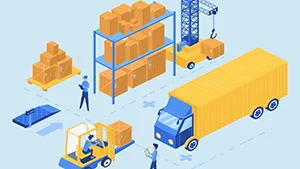
Managing inventory in healthcare facilities proves difficult for many organizations. The practice of excessive stock can raise storage expenses yet service interruptions because of inventory depletion result in delayed necessary healthcare treatment. When organizations track inventory using traditional methods they frequently encounter managerial challenges that create various procurement and usage issues.
Regulatory Compliance
Healthcare facilities must follow strict requirements regarding both product safety standards and storage systems and product location documentation. The failure to meet Drug Supply Chain Security Act (DSCSA) and Good Distribution Practices (GDP) regulations will result in legal infrastructure penalties and endanger patient safety.
Lack of Transparency
Most healthcare supply chains today experience badly inadequate real-time visibility which prevents tracking inventory and shipments with precision. The multiple intermediaries present across supply chains make tracking more difficult which results in several errors and delayed processes and inefficient outcomes.
High Costs
The operational costs for healthcare increase due to inefficient procurement and distribution combined with poor logistics systems. Throwaway expenses and incorrect supply chain management are two key factors caused mainly by poor forecasting techniques combined with insufficient supply chain strategies.
Counterfeit Medications
Patient safety stands at risk because counterfeit drugs have infiltrated healthcare systems so authentication systems require improvements to stop these dangerous counterfeit products. The World Health Organization (WHO) indicates that medical products in low- and middle-income countries suffer from substandard and falsified status at a rate of 10% which endangers the lives of many patients.
Key Technologies Transforming Healthcare Supply Chains
Artificial Intelligence (AI) and Machine Learning (ML)

Healthcare facilities currently use AI alongside ML to achieve maximum optimization of their supply chain procedures.
- Predictive Analytics: The integration of predictive analytics allows machines to examine historical data which helps forecast medical supply needs thus minimizing waste and keeping restocking aligned with demand timing.
- Automated Decision-Making: ML algorithms support automated procurement processes through decision automation that helps facilities maintain ideal inventory while controlling costs.
- Improved Logistics Efficiency: The implementation of AI route optimization generates better logistics performance and enhances both delivery efficiency and outcomes at the last stage.
- Fraud Detection: AI systems deploy anomaly detection capabilities to find problems in supplier financial transactions and inventory multiple occurrences minimizing the risk from fraudulent activities.
Blockchain for Enhanced Transparency and Security

The healthcare supply chain gets transformation through blockchain technology because its decentralized and unmodifiable ledger approach provides improved visibility into each link of the chain.
- Supply Chain Integrity: Through blockchain, pharmaceutical items can be authenticated end-to-end from manufacturers to consumers thus minimizing counterfeited drug risks.
- Regulatory Compliance: Smart contracts have automated functionalities which enable compliant regulation enforcement without needing human input to reduce both errors and intervention needs.
- Interoperability: Blockchain technology establishes a protected system which allows multiple stakeholders to securely exchange supply chain information thereby enhancing cooperation between them.
- Tamper-Proof Records: Every transaction generates tamper-proof records which prevents individuals from tampering with the recorded data for accountability purposes.
Internet of Things (IoT) for Real-Time Monitoring
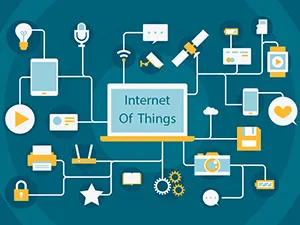
Medical supply and equipment monitoring and tracking operations become more visible through IoT device technology implementations.
- Smart Sensors for Cold Chain Management: Cold chain management can use intelligent sensors to monitor temperature-sensitive medical items including vaccines as well as biologic products that require particular temperature regulation. Modern sensors under IoT management operate to check temperatures continuously before sending data streams which verify product quality.
- RFID and GPS Tracking: The combination of RFID and GPS technologies enables medical supply real-time tracking which prevents losses as well as thefts.
- Automated Inventory Management: The automated system tracks inventory in real time through smart shelves and IoT-equipped storage units thus it generates automatic reordering when stock amounts diminish.
- Condition Monitoring: The Internet of Things (IoT) includes sensors able to monitor humidity together with pressure along with other environmental elements that affect medical supply quality.
Big Data Analytics for Informed Decision-Making

Healthcare organizations make data-based choices through big data analyses of extensive supply chain information.
- Demand Forecasting: Predictive analytics tools assist hospitals and pharmaceutical institutions to achieve better inventory management by forecasting their demand patterns.
- Cost Reduction: Suppliers can save costs through the identification of operational shortcomings and system constraints within supply chain procedures.
- Supplier Performance Evaluation: Healthcare providers achieve better vendor selection by examining their supplier information to find dependable and financially advantageous vendors.
- Risk Management: The supply chain analysis system detects upcoming supply chain disruptions that enable organizations to prevent product shortages.
Robotic Process Automation (RPA) for Operational Efficiency

Healthcare supply chain operations develop better precision and speed through the robotic process automation of monotonous work tasks.
- Automated Procurement: RPA enables businesses to speed up purchase order handling and vendor dialogue which decreases human labor requirements.
- Invoice Processing: Fast financial transaction speeds result from the automation of invoice verification together with payment processing.
- Supply Chain Coordination: Through RPA organizations can enhance the cooperation between departments thus enabling more efficient logistics operations.
- Error Reduction: Organizations experience better inventory monitoring outcomes through the elimination of human data entry mistakes.
Case Study: Real-World Implementations of Technology in Healthcare Supply Chains
IoT for Cold Chain Monitoring in Vaccine Distribution
The pandemic saw IoT devices monitoring temperatures implement safe vaccine transport throughout different areas during the pandemic. The system uses automated alerts which have resulted in achieving 25% less vaccine wastage through optimal storage maintenance. Logistics providers who used IoT integrated with AI capabilities managed to optimize vaccine transportation routes through which they reduced distribution times and maintained vaccine potency.
The Future of Healthcare Supply Chain Management
AI-Driven Autonomous Supply Chains
Together AI and automation will run entire procurement logistics and inventory management operations without requiring human management.
AI-based supply chain management systems will assist hospitals and pharmacies to forecast then automate complete order fulfillment processes.
Expanded Use of Blockchain in Regulatory Compliance
The implementation of blockchain-based supply chain tracking exists as an option which governments can use to improve pharmaceutical distribution transparency. The implementation of this system will act as an additional layer of protection to stop counterfeits from reaching patients while ensuring their security.
Augmented Reality (AR) for Warehouse Management
Stock management combined with order processing becomes more efficient through the implementation of AR solutions for warehouse personnel. The use of smart glasses with AR capabilities enables employees to receive detailed real-time instructions that direct them to find medical supplies and correctly process them which optimizes both accuracy and operational speed.
Sustainable Supply Chain Practices
The focus on sustainability leads to AI and IoT optimization of resource use which generates reductions in environmental impact. The healthcare sector will adopt sustainable procurement processes and it will select environmentally friendly packaging and implement green delivery systems to fight climatic impact.
Conclusion
New technology revolutionizes healthcare supply-chain operations that leads to enhanced operational efficiency together with visible materials flows and decreased expenses. Many industry-wide problems including inaccurate inventory management and unmet regulatory standards and fake drug trade receive solutions from various technological components including AI, blockchain, IoT, big data analytics and RPA. Healthcare facilities gain operational efficiency together with better patient care along with cost reduction when they implement these innovation-based solutions. The healthcare supply chain sector will achieve higher levels of automated intelligence along with sustainability as technology advances. Supply chain performance optimization alongside global healthcare delivery system improvements are two main benefits from technology integration in supply chains.