
From Vision to Practice
Towards the Medical Professional 2.0
Dr. Vera Roedel, CEO and Co-Founder, Prof. Valmed<sup>®</sup>
The focus would be on how real patient data can elevate Prof Valmed as a Clinical Decision Support System (CDSS) to a new level, especially when deeply integrated into a Clinical Information System (CIS).

The deployment of artificial intelligence in healthcare is progressing rapidly, but its safe and effective implementation requires careful design, certification, and integration. Earlier work highlighted the path to CE certification and the design principles of trustworthy AI assistants. The next stage is to understand how such systems perform in real-world clinical environments and how they interact with education to shape the profile of the 'Medical Professional 2.0'.
Real-World Deployment
At the University Medical Center Freiburg, a CE-certified AI assistant has been deployed across more than twenty departments. This reflects its modular design, enabling support across neurology, cardiology, oncology, internal medicine, and other fields. Each response is grounded in validated, peer-reviewed evidence, ensuring reliability across multiple specialties.
Case Vignettes
Vignette 1 — Neurology: Acute Stroke Thrombolysis
A junior neurologist uses the assistant within the clinical information system. Eligibility and contraindication criteria for thrombolysis are presented alongside imaging and laboratory values. The structured, evidence-based output reassures the clinician and aligns team decision-making.
Vignette 2 — Oncology: Multimodal Planning
During a tumor board meeting, the system contextualizes treatment pathways with patient comorbidities and prior therapies drawn directly from the electronic health record. By appearing within the workflow rather than as a separate application, the system functions as a co-pilot rather than an accessory.
Prompt of the Week
To demonstrate real-world use, structured prompts are shared weekly. An example prompt is: 'What are candidates for thrombolysis, and what are contraindications?' Such examples illustrate how AI support can reduce cognitive burden and align decisions with current evidence under time pressure.
Integration into CIS and Workflow
Experience shows that integration into clinical information systems (CIS) significantly increases adoption. When embedded, decision support is delivered directly at the point of care, contextualized with patient data. Internal surveys indicate that integration can double the frequency of use compared to stand-alone deployment.
Risks of Uncertified LLMs
Recent studies raise concerns about the use of large language models without medical certification. A 2025 Nature study tested six LLMs with 300 clinical scenarios containing fabricated details. Hallucination rates ranged from 50% to 82%, with the best-performing model still producing errors in 53% of cases. Even mitigation strategies only reduced errors to 44% [1]. Other reviews confirm that general-purpose LLMs often oversimplify scientific findings, misinterpret nuances, and generate factually incorrect outputs [2,3]. Without certification, such systems may create liability 'grey zones' in healthcare.
Reality vs Vision in Healthcare 2025
In many hospitals, digital transformation still resembles a 'Ferrari fax'—faster but functionally unchanged. True innovation requires validated, workflow-integrated AI that supports clinical teams from admission to discharge. This approach enables evidence-based, efficient, and safe care rather than superficial digital upgrades.
Combination of AI and Education
Safe adoption of AI depends not only on the tool itself but also on education. Structured programs that build competence in digital literacy, ethical AI use, and regulatory compliance are essential. Combining validated decision intelligence with continuous medical education creates the foundation for the 'Medical Professional 2.0'. This model empowers clinicians to remain responsible decision-makers while benefiting from reduced cognitive load and enhanced efficiency.
Modular Decision Intelligence Layer
Decision intelligence systems should not be stand-alone applications but modular components that can be embedded across the healthcare continuum. Their architecture should enable use in CIS/EHR systems, telemedicine platforms, and educational programs. Such modularity ensures scalability and adaptability across hospitals, private practices, and academic contexts.
Ethics and Safeguards
To prevent overreliance, outputs must include references, confidence levels, and reminders of physician responsibility. Where uncertainty exists, the system should direct clinicians to guidelines rather than speculate. Such safeguards preserve trust and ensure alignment with evidence-based medicine.
Outlook
The combination of certified decision intelligence and structured education offers a pathway towards sustainable adoption of medical AI. Future work will focus on deeper integration into health records, broader institutional scaling, and transparent reporting of outcomes. This model positions clinicians as empowered professionals—Medical Professionals 2.0—supported by validated intelligence rather than replaced by it.
References
[1] Nature (2025). Large language models in clinical scenarios: hallucination risks and mitigation. Nature Medicine, doi:10.1038/s43856-025-01021-3
[2] Livescience (2025). AI chatbots oversimplify scientific studies and gloss over critical details. Available at: https://www.livescience.com
[3] ArXiv (2025). MedHallBench: Benchmarking hallucinations in medical LLMs. arXiv preprint arXiv:2502.14302
[4] European Commission (2025). AI Deployment in Healthcare: Barriers and Opportunities. Directorate-General for Health and Food Safety, doi:10.2875/2169577
[5] Roedel V. (2025). From Vision to Practice: CE-certified AI as Clinical Co-Pilot. American Hospital & Healthcare Management.
[6] Wiendl H. (2025). AI in Neurology. Neurotransmitter, 26(2).
[7] Gilbert et al. (2025). Clinical AI and Knowledge Integration. The Lancet.
Author Bio
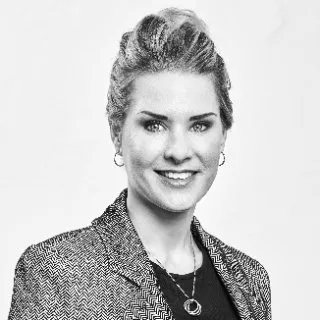
Dr. Vera Roedel is the CEO and Co-Founder of Prof. Valmed®, where she leads the development of trustworthy, CE-certified medical products driven by a passion for advancing medical technology. With core competencies in medical device regulation and strategic communication, Dr. Roedel plays a critical role in guiding the company's innovation and compliance efforts. Her leadership is grounded in the values of integrity, excellence, and a commitment to making a meaningful impact through inclusive and diverse perspectives.