


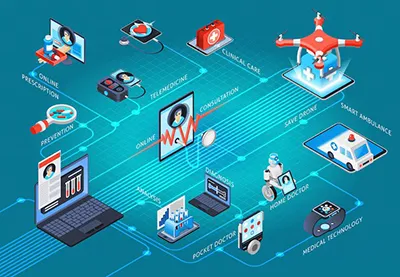
Telemedicine provides patients with medical services which they can access through their home environment. Healthcare providers started to adopt digital solutions at faster rates because of the COVID-19 pandemic forces them to integrate digital approaches within their professional practice. Telemedicine demonstrates strong indicators for exceptional growth because of technological progress and patient expectations and changes in healthcare laws. This article analyzes telemedicine growth points along with important developments and upcoming technological solutions which will guide its development.
1. The Rise of AI and Machine Learning in Telemedicine

Telemedicine experiences a transformation through Artificial Intelligence (AI) and Machine Learning (ML) which leads to precise diagnostic methods and predictive analytic function alongside individualized treatment strategies. Virtual assistant systems and AI-powered chatbots help healthcare facilities perform preliminary patient evaluations as well as symptom evaluation and booking of appointments. Current machine learning algorithms operate to improve both radiology and pathology by discovering sophisticated abnormalities in medical images with precise accuracy. AI-driven decision support systems are also aiding doctors in diagnosing complex cases and recommending treatment protocols based on vast datasets.
2. Remote Patient Monitoring (RPM) and Wearable Devices
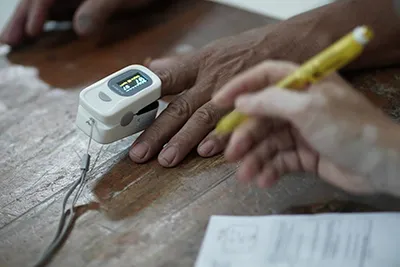
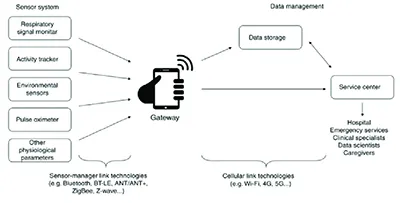
RPM stands as a chief telemedicine innovation that enables distant medical observation through device-based healthcare tracking together with IoT sensor technologies. The monitoring devices contain smartwatches and biosensors with fitness bands that record essential vital signs including heart rate along with blood pressure measurements as well as glucose levels and oxygen saturation levels. The health monitoring devices deliver quick disease information to healthcare providers for diabetic and hypertensive and cardiac patients to minimize hospital visits.
3. 5G Connectivity and Enhanced Telehealth Services
Telemedicine will experience a transformation through 5G technology deployments that build dependable high-speed internet connections. Head-to-head video consultations between patients and healthcare providers become seamless because of high-speed low-latency networking systems that produce faster speeds and decreased network delays.
The introduction of 5G technology will enhance medical imaging quality and support remote patient examinations with expert physician consultations from any globally located medical facility. This innovation will provide the required backbone for medical institutions to unite virtual reality (VR) and augmented reality (AR) platforms in their training and educational programs.
4. Blockchain for Secure Health Data Management
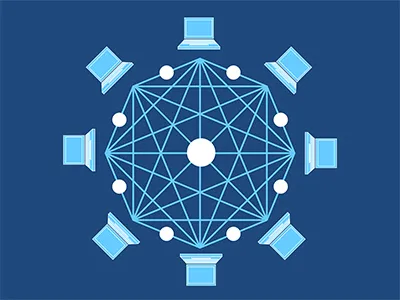
Blockchain technology emerges as a solution for telemedicine data safety and privacy retention while management of health information remains secure. Blockchain technology creates unalterable medical records which allow safe data exchange between healthcare providers. Health data storage that operates across multiple servers delivers both improved data exchange capabilities and total protection against unauthorized users. With this setup patients achieve enhanced monitoring capabilities which enables them to choose doctor access when required.
5. Virtual and Augmented Reality in Telemedicine

Both virtual reality (VR) and augmented reality (AR) actively transform telemedicine operations through their ability to produce immersive health care services. Virtual reality applications have developed into therapeutic programs for pain control and rehab and mental disorder therapies that provide immersive treatment spaces to patients. Through AR technology doctors and specialists can perform remote surgeries together because of its capability to enable immediate real-time joint operations. The mentioned technologies offer better medical training through virtual simulated practical experiences for complex medical procedures.
6. Telemedicine for Mental Health and Behavioral Therapy

The increased mental health service necessity leads telemedicine to function as an essential link between patients and therapists. Digital mental health services which combine online platforms with AI-based chatbots and virtual counseling guide patients to get affordable access to therapy as a whole. Self-directed mental wellness software and Cognitive behavioral therapy (CBT) mobile applications through remote support let users independently control their stress levels and anxiety symptoms and fight depression.
7. Integration of Internet of Medical Things (IoMT)
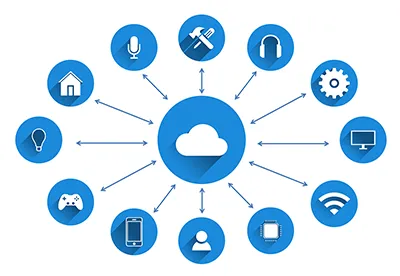
Telemedicine benefits from the Internet of Medical Things (IoMT) because this system enables the connection between medical devices and wearables as well as healthcare systems. IoMT supports healthcare professionals by providing continuous patient tracking capabilities and automated medication tracking with EHR integration systems for improved data organization. Patients get improved results because the connected healthcare network enables early medical action and off-site treatment of diseases.
8. Robotics in Telemedicine and Remote Surgeries

Telemedicine benefits from robotics developments which focus especially on remote surgical operations. Using automated robotic instruments surgeons can conduct surgical procedures on patients who reside beyond great distances. Medical operations receive precision and accuracy from advanced robotic arms that use haptic feedback technology for their operation. The healthcare sector applies robotic technology through telepresence healthcare to provide robotic nurses who assist with checkups routine responsibilities and medication distribution for patients including elderly care services.
9. Expansion of Telepharmacy and Online Prescription Services
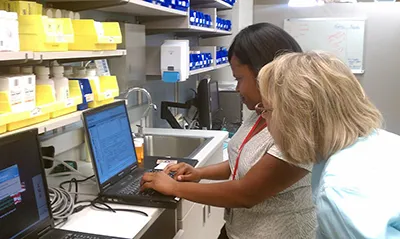
Telepharmacy shows increasing popularity because it enables patients to obtain medications together with pharmaceutical counseling through convenient channels. The capability to obtain medications through online prescription lets patients skip traditional visits to brick-and-mortar pharmacies. Modern prescription management systems with artificial intelligence features work toward error reduction in medication and handle correct dosage recommendations. Pharmacists now use telemedicine platforms to deliver both virtual consultations together with medication adherence counseling service and chronic disease management support to patients.
10. Personalized Medicine and Genomics in Telehealth

Genomic advances together with individualized medical care change telemedicine because doctors now provide specific treatments to patients through their genetic information.
The telehealth platforms include genetic testing services which help people understand their disease possibilities along with how medications affect them and develop customized wellness solutions. The use of AI for genomic analysis allows healthcare providers to prescribe custom treatments for cases of cancer and cardiovascular diseases and autoimmune disorders.
11. Regulatory and Policy Evolution in Telemedicine
Telemedicine policies from governments and regulatory bodies continue to adjust according to the expanding telehealth space by setting procedures protecting patients' safety and payment methods and preserving medical data. Official telehealth rules became more flexible because of COVID-19 so state legislatures began quickly changing policies about reimbursing these virtual health services. Future rules for telemedicine will develop to establish unified practices and maintain healthcare law regulations.
12. Challenges and Future Outlook of Telemedicine
Telemedicine confronts multiple setbacks despite achieving fast expansion because of
- Digital Divide: The adoption of telemedicine remains restricted because rural and underserved communities lack access to credible internet services and show little knowledge of technology.
- Data Security Concerns: Protecting patient data privacy remains essential as well as remaining compliant with HIPAA principles along with GDPR and every health data security law framework.
- Licensing and Reimbursement Issues: Regulatory differences between regions affect both medical provider authorization as well as insurance compensation procedures.
- Lack of In-Person Assessments: Telemedicine functions well as an additional resource for medical check-ups which cannot be handled through virtual care alone.
The upcoming period for telemedicine shows positive expectations. AI and IoMT as well as 5G technology together with robotics systems will undertake telehealth to boost healthcare quality while enhancing care availability and adapting services to customers' needs. Scientific development enables telemedicine to become a major factor in creating upcoming global healthcare infrastructures.
Conclusion
Telemedicine exhibits a bright future because it advances with state-of-the-art technologies and developing healthcare delivery patterns. The technologies of AI, IoMT, 5G, blockchain, VR and robotics will revamp the virtual healthcare model to benefit patients and provide improved clinical results. Telemedicine will transform healthcare through ongoing developments and supportive policies in order to deliver high-quality medical services to every individual. Telemedicine adoption requires healthcare providers to work with technologists and government representatives in order to maximize its effectiveness while developing a future of tech-powered healthcare for worldwide health systems.