

Artificial intelligence (AI) integration with healthcare entities has transformed the delivery of patient care and both clinical assessment and therapeutic preparation processes. Chatbots and virtual assistants powered by AI have brought a transformative change to telemedicine services which is now considered a significant healthcare industry advancement. Digital healthcare tools enhance patient accessibility through they increase health service efficiency and create superior healthcare experiences for patients. The level of significance in their contribution remains unclear. How well do these technological systems strengthen traditional healthcare encounters while maintaining the capability to replace them at certain points? The following article explores both functionalities and benefits as well as challenges and potential for the future development of AI-driven chatbots and virtual assistants in telemedicine.
Understanding Chatbots and Virtual Assistants in Telemedicine
What Are Chatbots?
The artificial intelligence-driven software known as Chatbots executes programming which creates digital dialogues between programs and users. The same system follows algorithms based on machine learning (ML) and natural language processing (NLP) to interpret and reply to user introductions. Chatbots serving telemedicine needs apply their capabilities toward supporting patient relationships and disease identification as well as organizing appointments while reminding patients to take their medications.
What Are Virtual Assistants?
AI systems referred to as virtual assistants represent an advanced level of processing that empowers users to communicate through both text and spoken voice with medical devices included in their functionality. The market features three main virtual assistant systems including Apple Siri and Google Assistant and Amazon's Alexa and their developers now transform these systems to fit healthcare settings. Virtual assistants bring customized healthcare advice to patients and assist doctors with their clinical choices and help manage chronic conditions.
Key Roles of Chatbots and Virtual Assistants in Telemedicine
1. Enhancing Patient Engagement and Education
Telemedicine depends heavily on maintaining engaged patient relations as a primary fundamental issue. A 24/7 availability system through virtual healthcare automation offers personalized health education to patients and answers their questions and provides guidance for treatment activities.
The system allows patients to use chatbots to get preliminary symptom-based recommendations for flu-like conditions yet delivers diabetic patient-specific insulin medication reminders alongside lifestyle advice.
2. Preliminary Diagnosis and Triage Assistance
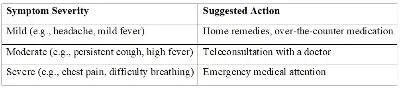
Electronic assistants and chatbots examine patient symptoms to establish how quickly medical help should be obtained. The combination of Natural Language Processing (NLP) together with Machine Learning enables the AI tools to evaluate patient health data which generates assessments about urgent medical needs versus home treatment recommendations.
3. Automating Administrative Tasks
The current load of administrative work which medical professionals face leads them to dedicate less time toward patient care activities. These systems automate various workplace duties which include:
• Scheduling and confirming appointments
• Sending reminders for medications and follow-ups
• Managing electronic health records (EHRs)
The automated system decreases errors while improving productivity and makes it possible for healthcare workers to deliver superior medical care.

4. Mental Health Support and Counseling
Learning has increased worldwide because AI-powered chatbots now serve as early support tools helping people manage their depression and stress along with anxiety. Patients can receive real-time emotional care and coping mechanisms through CBT-based services provided on Woebot and Wysa platforms through text-based conversations.
5. Chronic Disease Management
The digital care system provided by chatbots continually monitors chronic disease patients with conditions such as diabetes, hypertension, and asthma. These virtual assistants:
• Remind patients to take their medications
• Provide dietary recommendations
• Alert caregivers or physicians in case of abnormal health metrics
Advantages of Chatbots and Virtual Assistants in Telemedicine
1. 24/7 Availability – The availability of virtual assistants and chatbots exceeds the capability of human medical practices since they never need sleep to help patients.
2. Reduced Healthcare Costs – AI-powered healthcare platforms enable reduced patient hospital attendance thus lowering both their medical bills and healthcare center operational costs.
3. Scalability – The tools have the ability to manage thousands of inquiries at once leading to better access of healthcare services in underprivileged areas.
4. Personalized Healthcare Advice – AI systems evaluate patient records to deliver specific healthcare guidance based on individual’s needs.
5. Improved Efficiency – AI systems free healthcare providers from administrative work to prioritize complicated medical cases by completing standard inquiries and administrative functions.
Challenges and Limitations
1. Lack of Human Touch
Healthcare encompasses diagnosis as well as serving patients with empathy alongside emotional support. Several patients need personal interaction which Chatbots fail to deliver.
2. Data Privacy Concerns
Patient information confidentiality becomes an issue due to data processing since manufacturers must demonstrate compliance with HIPAA and GDPR regulations.
3. Accuracy and Liability Issues
The artificial intelligence within chatbots sometimes improperly interprets patient symptoms which causes them to deliver flawed medical counseling. Commercial enterprises need to identify who is accountable when chatbots furnish patients with faulty medical information.
4. Integration with Existing Healthcare Systems
The majority of healthcare organizations continue to use conventional infrastructure that creates obstacles for smooth AI-based chatbot implementation.
Future Outlook and Innovations
Additionally telemedicine continues to hold promising prospects because of AI and ML and deep learning technologies advancing rapidly in virtual assistant and chatbot applications. Several anticipated innovations will appear as follows:
1. Voice-Enabled Virtual Doctors – Voice-empowered AI virtual assistants offer highly natural conversation capabilities through their voice recognition systems.
2. Blockchain for Secure Patient Data Handling – Blockchain systems would boost data security because they offer transparency and regulatory compliance.
3. Predictive Analytics in Healthcare – AI systems will analyze disease patterns to generate preventive suggestions which improve the success of public healthcare efforts.
4. Multilingual Chatbots – Language barriers in telemedicine will be eliminated with AI-driven multilingual virtual assistants, making healthcare more inclusive.
Conclusion
Virtual assistants and chatbots no longer rely on science fiction; currently they determine the direction of telemedicine development. Due to their continuous availability and improvements in operational efficiency and healthcare budget reduction they represent critical components for the advancement of modern medical practice. Data security alongside accurate information and development of human-like empathy functions need resolution to fully harness the capabilities of these tools. Technological progress will lead AI medical solutions to reach advanced levels which will unite medical care providers with patients within today's digital healthcare environment.
The possibility exists that AI will fully take charge of remote medical consultations in the approaching future. AI-powered chatbots and virtual assistants exist to stay in healthcare and maintain their essential part in transforming medical care delivery.