

Modern healthcare services benefit patient care and operation efficiency along with data management through rapid digitization. Healthcare facilities now face increased risks from cybercriminals because their digital transformation has expanded their vulnerability. Healthcare organizations face substantial risk to both operations and patient safety because their shadowed patient databases combine with outdated systems and weak cybersecurity standards.
Healthcare cyberattacks create two major threats to lives while simultaneously causing harm to patient reputation and hospital finances. One cyber strike functions to postpone vital medical interventions while damaging healthcare documentation authenticity which subsequently results in legal liability issues. Technology adoption at an industry scale by healthcare entities leads to an escalating assault area for cybercriminals because of emerging technologies like artificial intelligence (AI) and cloud computing and Internet of Medical Things (IoMT).
This article examines both the biggest IT security threats affecting healthcare institutions and it explains in detail how to fight these threats.
1. Ransomware Attacks
Threat Overview
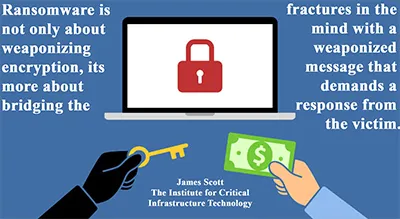
Healthcare facilities experience Ransomware as one of their major cyber threats. Attackers encrypt data through malicious software so they can demand payments from victims to regain access to their information. Healthcare continues to remain at risk due to both its priority patient data and time-sensitive health services. Hospitals along with clinics operate under time-sensitive conditions which makes them more willing to pay ransom demands because they need to maintain uninterrupted service.
Notable Incidents
- WannaCry (2017): The UK National Health Service (NHS) became a ransomware victim which led to medical facility operational breakdowns and eliminated thousands of scheduled medical appointments.
- Universal Health Services (2020): The healthcare provider faced ransomware developing into a major cybersecurity incident that halted all IT processes thereby creating patient treatment delays while causing losses exceeding US$67 million.
- Scripps Health (2021): Patient care suffered severe consequences when ransomware caused healthcare staff to rely on paper systems for an extended period.
Prevention Strategies
- Regular Data Backups: The execution of automatic data backups with encrypted protection and offline location implementation serves as a critical strategy for recovery purposes.
- Patch Management: Security vulnerabilities must be stopped by updating all software programs and systems with their latest security updates.
- Endpoint Protection: Organizations should implement advanced threat detection and response solutions to detect ransomware when it first appears before it reaches other systems.
- Zero Trust Security Model: Organizations should adopt an ongoing monitoring system which requires verification of resource access across the entire system.
- Employee Training: Teach staff members about phishing email schemes and social engineering methods which serve as popular ransomware delivery methods.
- Network Segmentation: Network segmentation should divide systems into separate segments which stops ransomware from infiltrating the entire organization.
2. Phishing Attacks
Threat Overview
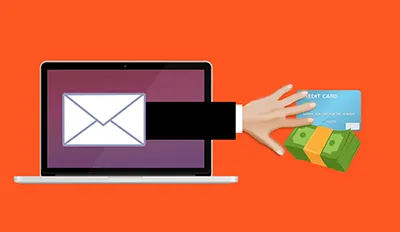
The practice of economic fraud using phishing techniques continues as healthcare's primary method of cyberattacks. Cybercriminals use deceptive emails alongside text messages and phone communications to obtain confidential staff information which includes passwords and financial details. Medical workers who handle many emails at their places of work become targets for these scams because of the frequent email exchanges.
How Phishing Works
- Spear Phishing: Fraudsters craft deceiving emails focused on tricking individual staff members or department representatives who appear to come from trusted work contacts.
- Business Email Compromise (BEC): Fraudsters pretend to be either executive staff members or business suppliers so they can fool people into sharing money payments and secret data.
- Whaling Attacks: The main goal of cybercriminals is to infiltrate the systems of organizations by cracking higher-level executive positions as well as IT administrative roles.
Prevention Strategies
- Email Security Measures: Healthcare facilities should deploy sophisticated email filtering technology for blocking all kinds of phishing acts.
- Multi-Factor Authentication (MFA): Systems containing sensitive information must be accessed only through several layers of verification.
- Cybersecurity Awareness Training: The organization must perform monthly phishing exercises with employee training sessions to promote scam detection skills.
- AI-Powered Threat Detection: Organizations should employ Artificial Intelligence systems to study worker behavioral data and report unusual email activities.
- Secure Email Gateways: Healthcare organizations should install system solutions which detect spoofing while also detecting malware and malicious attachments.
3. Insider Threats

Threat Overview
The security problems which result from both intentional and non-intentional insider actions endanger healthcare cybersecurity. People who handle hospital systems containing sensitive information including employees and contractors along with third-party vendors might either misuse their authority or allow themselves to become targets for social engineering attacks. Hospital workflows become intricate enough to create conditions where human mistakes produce security incidents.
Types of Insider Threats
- Malicious Insiders: Healthcare employees choose to distribute patient data either for money or to fulfill personal hatred against specific patients.
- Negligent Insiders: The disclosure of sensitive information occurs when staff members use poor password security and insecure equipment.
- Compromised Insiders: When cybercriminals break in they use methods such as phishing and malware to steal employee logins.
Prevention Strategies
- Role-Based Access Control (RBAC): Organizations should permit data access according to employee job functions.
- User Behavior Analytics (UBA): Analyze staff activity through artificial intelligence processes to identify abnormal activities.
- Strict Offboarding Policies: The immediate termination of user access prevents data theft in cases of employee departures.
- Security Awareness Programs: The organization needs to instruct staff members about data management protocols and methods to recognize potentially dangerous insider behaviors.
- Continuous Monitoring: Healthcare organizations should monitor user activities in real time for identifying unauthorized system entry.
4. Medical Device Vulnerabilities

Threat Overview
The critical healthcare devices that include infusion pumps pacemakers along with MRI scanners operate in patient care without adequate cybersecurity protection. Their operating system outdated status exposes these devices to straightforward cyberattacks from attackers.
Potential Risks
- Unauthorized Access: Hackers have the ability to change medical devices to provide imprecise treatment amounts or stop their proper operation.
- Data Theft: Medical devices contain data that becomes vulnerable to theft.
- Denial of Service (DoS) Attacks: Medical devices become operationally unfeasible in cases of emergency due to cybercriminal activities.
Prevention Strategies
- Device Authentication: Every access attempt to medical devices should demand multi-factor authentication methods.
- Regular Firmware Updates: Medical device manufacturers must supply security updates soon after they release them.
- Network Segmentation: Medical devices should be kept physically separate from critical IT systems to restrict the damage from attacks.
- Real-Time Anomaly Detection: Health facilities need to deploy AI systems which track medical device operations to detect abnormal events.
5. Cloud Security Risks
Threat Overview
Electronic Health Records (EHRs) and telemedicine implementation through cloud-based solutions by healthcare organizations creates increasing worries about cloud security. Cloud data breaches occur because of configuration errors and unauthorized entries into the system.
Prevention Strategies
- Strong Access Controls: Healthcare entities should combine identity and access management (IAM) tools with least privilege access enforcement to protect their systems.
- Data Encryption: All patient information must be encrypted when in motion and when stored on systems to stop unauthorized parties from accessing the data.
- Regular Security Audits: The organization should perform scheduled security evaluations to find vulnerabilities which need to be resolved.
- Zero Trust Architecture: A security structure should be implemented that maintains universal distrust of users until authentication becomes continuous.
- Cloud Compliance Monitoring: All cloud provider services should achieve compliance with both HIPAA and GDPR regulations.
6. Supply Chain Attacks

Threat Overview
Healthcare organizations send their medical software and electronic health record systems to third-party vendors for external use of cloud storage and IT services. When the security on a vendor's network fails attackers gain entry which allows them to access healthcare provider systems through this breach point. The widespread impact of supply chain attacks mainly comes from the direct access that third-party providers maintain to sensitive data which enables them to perform unauthorized medical record access while causing operational problems and stealing confidential information.
Cybercriminals take advantage of weaknesses present in vendor application updates and compromised user credentials and unsecured network links to execute assaults. The multiple connections involved in healthcare supply chains prove difficult for organizations when they try to achieve comprehensive protection of all third-party interfaces.
Notable Incidents
- SolarWinds Attack (2020): Security attackers executed a complicated supply chain breach which breached both federal organizations along with private companies and medical facilities. The intruders added malware to software updates that opened doors to different networks.
- Accellion Data Breach (2021): Attackers took advantage of Accellion's file-sharing service vulnerabilities therefore exposing patient data at a number of healthcare organizations
Prevention Strategies
- Vendor Risk Management: Businesses must extensively evaluate their new vendor's security measures before negotiating partnerships. The vendors must comply with strict security protocols.
- Third-Party Access Controls: Organizations should establish two security measures: role-based access control (RBAC) and minimum privilege access which stops vendors from reaching systems they should not touch.
- Supply Chain Security Frameworks: Organizations must execute third-party security measures in alignment with NIST’s Cybersecurity Framework alongside ISO 27001 security standards.
- Security Contracts and SLAs: Healthcare organizations should include specific security demands in their vendor contracts which must follow both HIPAA and GDPR healthcare cybersecurity requirements.
- Regular Security Audits: Healthcare organizations should execute scheduled third-party security audits together with requirements to obtain proof from vendors that show their frequent vulnerability assessments.
- Threat Intelligence Sharing: Healthcare organizations should join industry programs for exchanging threat intel to receive updates about developing threats to supply chains.
7. Data Breaches and HIPAA Violations
Threat Overview
Logged server systems at healthcare organizations regularly store personal identification data and protected medical records that attackers view as prime targets for data breaches. Theft of protected patient records happens through poor security systems alongside system errors and intrusive social engineering methods. A data breach leads to financial damage alongside reputation harm followed by legal problems with regulatory compliance costs from both HIPAA (Health Insurance Portability and Accountability Act) and GDPR (General Data Protection Regulation).
Most data breaches occur because of internal threats combined with compromised credentials and wrongly configured cloud systems as well as malicious phishing activities. When patients' data gets released illegally medication-related fraud becomes possible alongside identity theft incidents and insurance deception attempts.
Notable Incidents
- Anthem Data Breach (2015): An attack on healthcare databases resulted in theft of 80 million patient records along with Social Security numbers and medical IDs becoming one of the largest fraudulent disclosures in healthcare history.
- American Medical Collection Agency (AMCA) Breach (2019): The security breach resulted in hackers taking data from 25 million patients which prompted both lawsuits and eventually forced the healthcare firm to pursue bankruptcy proceedings.
- Exposed COVID-19 Test Data (2020): COVID-19 testing data went missing when cloud databases were not correctly set up thus breaking patient privacy rules and disclosing thousands of test results.
Prevention Strategies
- Data Encryption: Organizations must encrypt patient data during transfers and when data rests to stop unauthorized users from accessing it.
- Multi-Factor Authentication (MFA): Additional protection against security threats will come from MFA requirements which bring more tiers to healthcare system access points.
- Incident Response Plan: A well-defined incident response plan should be developed alongside testing protocols to help health organizations fast identify and manage security breaches.
- Data Access Monitoring: Healthcare institutions should employ User Behavior Analytics enabled by AI for continuous tracking of access behaviors to identify unauthorized officials accessing patient medical data.
- Regular Compliance Audits: The organization must carry out regular security evaluations to confirm HIPAA together with GDPR along with industry-specific compliance standards.
- Secure Data Disposal: Outdated patient records demand proper disposal techniques through both data-wiping procedures and secure shredding practices to stop unauthorized access of records.
Conclusion
Healthcare organizations must use predictive security measures to fight against active threats facing their digital landscape. Effective protection against cyberattacks comes from implementing layered security systems and keeping systems under regular security review as well as creating widespread cybersecurity awareness in staff. There exists an ongoing requirement to invest actively in modern security infrastructure and best practices to maintain domination over cybercriminals who continue developing their technology.