
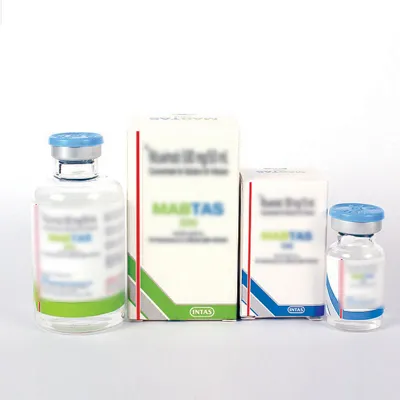
The biopharmaceutical industry faces a fundamental transformation because biosimilars have been growing at a fast pace worldwide. The expiration of blockbuster biologic drugs patents has brought about biosimilars as a promising cost-efficient substitute for approved biologic medicines that use biological methods for their production. Healthcare organizations now possess historic possibilities to minimize pharmaceutical spending without compromising medical results through these agents. B2B healthcare stakeholders that compose manufacturers with contract research organizations (CROs) along with pharmaceutical suppliers and health tech partners now discover biosimilars as an emerging field for developing commercial strategies toward long-term value generation.
This article explores the advanced drug formulations in biosimilar production and describes B2B market players' strategic approaches for business expansion as they pursue market control along with operational improvements that allow flexible pharmaceutical partnerships from start to finish.
Understanding Biosimilars: The Innovation Edge
Biologics constitute complex drugs made of large biological molecules which get obtained from living organisms to reduce the clinical impact of rheumatoid arthritis and other cancer and autoimmune diseases. Healthcare systems must carry substantial financial weight because of the high costs associated with these therapies despite their established effectiveness. The drug category of biosimilars meets equivalent quality specifications to originator biologics and functions to reduce expenses while enhancing industry competition.
Key Pharmacological Characteristics of Biosimilars:
• Molecular Complexity: Biosimilars need manufacturing processes that duplicate biologic reference products different from the methods used for small-molecule generics.
• Analytical Similarity: For proving comparable structure and functionality scientists need to conduct detailed analytical tests.
• Clinical Considerations: Clinical research works on assessing pharmacokinetic (PK) and pharmacodynamic (PD) aspects in addition to immunogenicity and extrapolation without evaluating efficacy through primary trials.
The scientific basis of producing biosimilars relies on precision biotechnology along with process optimization and quality control systems that create potential business-to-business collaboration opportunities.
Market Trends Driving Biosimilar Growth
Market experts forecast that the global biosimilars industry will expand past $75 billion in value from its 2022 worth of $23 billion by 2030. The market expansion occurs because of various essential trends.
1. Patent Expirations and Regulatory Pathways
More than twenty major biologic medications will experience their patents expire during the upcoming years. The US Biologics Price Competition and Innovation Act (BPCIA) together with European Medicines Agency (EMA) biosimilar guidelines are responsible for speeding up biosimilar approval processes.
2. Price Pressure and Cost Containment
The healthcare system along with payer networks actively embrace biosimilars because they help control rising medication expenses particularly in oncology care together with immunology and endocrinology treatments.
3. Emerging Market Demand
Indian and Brazilian and South Korean markets commit to building biosimilar production centers and regulatory standards which could accelerate potential B2B partnership development.
4. Rise of Digital Health and Real-World Evidence (RWE)
Strong post-marketing surveillance of biosimilars becomes possible through AI and electronic health records and patient registries integration which builds trust and boosts acceptance.
Pharmacological Innovation: R&D Strategies in Focus
The complex biosimilar development process requires comprehensive research and development operations that push for substantial relationships between academic facilities biotechnology companies Contract Research Organizations and Contract Manufacturing Organizations. Two primary sectors drive pharmaceutical innovation at present:
1. Process Optimization and Analytical Technologies
• Screening methods using high-speed automation are utilized to select ideal cell lines.
• Adoption of mass spectrometry and chromatography for molecular characterization.
• Modern bioassay methods that use in vitro and in vivo testing are used to determine product functionality.
2. Formulation Science
• The pharmaceutical industry has introduced autoinjectors and prefilled syringes alike which serve to enhance patient adherence to drug protocols.
• Stable formulations receive development to boost shelf life duration together with the aim of minimizing degradation processes.
3. Artificial Intelligence in Drug Development
AI is increasingly used to:
• Predict biosimilar molecular behavior.
• Analyze PK/PD patterns.
• Clinical trial design receives optimization which shortens development time while minimizing project expenses.
B2B Growth Tactics: How Companies Are Scaling in the Biosimilars Space
The market success for biosimilars requires attributes that extend past scientific achievements. Players in the B2B business should implement strategic expansion methods that synchronize innovative technology with commercial marketing plans. Success in biosimilars market development depends on these approaches demonstrated by leading market players:
1. Strategic Collaborations and Licensing Agreements
• Example: Biocon works together with Mylan (which is now Viatris) for the co-development and global marketing of biosimilars.
• Tactic: The three companies will combine their expertise by using the first partner for research and development while the second handles production activities and the third manages regulatory and marketing services.
2. Vertical Integration
• The combination of cell line development with commercial packaging operations leads to better cost management while speeding up market entry.
• The manufacturers Samsung Bioepis and Amgen are heavily investing in building self-contained biosimilar production centers.
3. Differentiated Commercial Models
• The company should invest in targeted interactions with medical centers and insurance companies and doctor communities through evidence-based business offers.
• Medical device companies use e-detailing platforms in addition to B2B portals to enhance product education along with streamlining procurements.
4. Global Expansion with Localized Manufacturing
• Companies develop production facilities across reasonably priced locations throughout India and Eastern Europe.
• Adapting regulatory strategies to regional market access conditions.
5. Real-World Data (RWD) and Pharmacovigilance
• Building trust through strong post-marketing surveillance programs.
• The company works together with health technology startups and contract research organizations to acquire and evaluate real-time RWD.
Challenges to Overcome: Regulatory, Scientific, and Commercial Hurdles
Multiple obstacles stand in the path of biosimilar success despite the current level of optimism.
1. Regulatory Complexity
• Varying global standards on interchangeability and extrapolation.
• Long and expensive comparability exercises.
2. Manufacturing Bottlenecks
• Biologic manufacturing quality remains highly vulnerable to any process variation when production occurs.
• High-capital infrastructure along with Good Manufacturing Practice (GMP) compliance requirements limit implementation of the program.
3. Market Access and Physician Adoption
• Prescriber inertia and lack of confidence in biosimilar equivalence.
• Education efforts about biosimilars require strong awareness programs to enable their proper adoption.
4. Legal and IP Barriers
• Originator companies will initiate patent lawsuits to prolong the time before a biosimilar reaches the market.
• The market entry of B2B businesses becomes more complex because of patent thickets along with evergreening tactics.
Opportunities beyond Biosimilars: B2B Expansion Pathways
B2B market players have adopted "biosimilars and beyond" approaches to increase their position throughout the biologic market
1. Biobetters
Biosimilars cannot match the enhancements which biobetters provide to original biologic products concerning safety measures and effectiveness alongside convenience benefits.
• Example: Erythropoietin contains extended half-life characteristics through PEGylation processes.
• The product creation possibilities along with premium pricing availability.
2. Digital Therapeutics and AI-Driven Support Tools
• Companion apps for dosage reminders, adverse event tracking, and virtual coaching.
• The integration between AI-based clinical decision support systems and biosimilar prescription creates the patient care improvement.
3. CDMO and CRO Services Expansion
• The company delivers complete biosimilar development solutions which cover cell line establishment together with clinical trial assistance.
4. B2B Platforms and Marketplaces
• The company will use digital platforms to unite manufacturers and healthcare providers together with suppliers to create a sourcing system for biosimilars along with education and pricing functions.
Case Study Highlights
1. Celltrion Healthcare
• Celltrion successfully markets biosimilars throughout 100 countries from its manufacturing base in South Korea.
• B2B Focus: The Company produces products through centralized facilities while building partnerships across the globe to distribute and market their products.
2. Sandoz (a Novartis division)
• Pioneer in biosimilars with products like Zarxio (filgrastim).
• B2B Focus: Large-scale manufacturing, regulatory leadership, and payer engagement.
3. Lupin Biotech
• Indian player investing in monoclonal antibody biosimilars.
• B2B Focus: Cost advantage manufacturing and emerging market penetration.
Conclusion: The Future of Biosimilars in B2B Healthcare
Biosimilars function as more than economical substitutes since they symbolize pharmaceutical advancement together with business-to-business innovation. Healthcare delivery benefits from biosimilars because their increasing market demand requires an approach which is both scalable and sustainable. Achieving success beyond scientific duplication is essential for succeeding in this field. B2B industry participants should adapt their practices to emerging rules and establish strong supply chain defense systems besides building patient confidence through concrete measurement results and expanding into related healthcare technologies.
Through planning and industry cooperation and innovative technology development biosimilars will be the foundation of business-to-business healthcare progress which will bring accessible and cost-effective and value-driven healthcare solutions.