
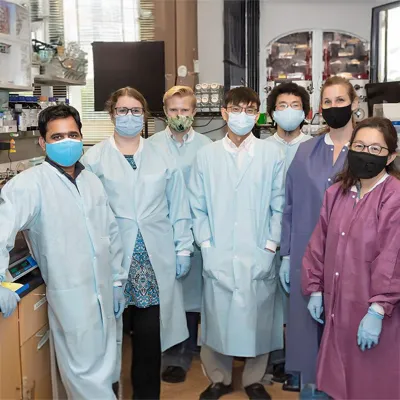
The recent outbreak of COVID-19 together with Zika virus, Ebola, and Mpox (monkeypox) demonstrates worldwide health system weakness and their consequential effects on industry and economic and social stability. The pathogenic diseases arising from zoonotic transmissions and pathogen evolutionary changes need governments and public health institutions to work with pharmaceutical companies and diagnostic manufacturers and technology providers to establish a proactive coordinated response approach.
Modern global connections lead to intensifying risks of fast disease spread across worldwide populations. Businesses serving healthcare and pharmaceuticals together with biotechnology diagnostics and logistics must establish flexible approaches for disease management along with preparedness systems.
1. Strengthening Surveillance and Early Detection Systems

Global Surveillance Networks:
The earliest line of protection in global health relies on improved surveillance systems. WHO Global Outbreak Alert and Response Network (GOARN) and CDC Global Disease Detection (GDD) network serve as organizations that facilitate the sharing of real-time disease data through their operations.
Industry Role:
• Diagnostic enterprises should produce and launch examination tests combined with digital monitoring tools which operate at the patient's location.
• The pathogen tracking process has improved through data analytics and AI-driven platforms that tech and biotech companies offer to the market.
• The early warning data enables pharmaceutical companies to merge with their research and development programs for the swift creation of drugs.
Example:
An AI system known as BlueDot spotted the COVID-19 emergence before WHO through the combination of text analysis and worldwide travel data thus demonstrating industry-AI collaborative capabilities in surveillance operations.
2. Developing Rapid and Scalable Diagnostics

The rapid response to control infectious diseases remains an absolute necessity. Hasty diagnostic tools help medical professionals to identify pathogens and to stop disease spread while providing required treatments.
Industry Innovations:
• PCR and LAMP molecular diagnostic approaches present high sensitivity due to their diagnostic capabilities.
• The tools SHERLOCK and DETECTR using the CRISPR method revolutionize how medical testing occurs at each patient contact point.
• Biosensors along with digital health tools operate as a system to monitor symptoms while outdoor.
Strategic Recommendations:
• The infrastructure should include modifiable diagnostic systems which allow quick reprogramming.
• The government needs to create alliances between public and private sectors that guarantee supply chain stability.
• The momentum of healthcare product authorization speeds up through mechanisms like Emergency Use Authorizations (EUAs) when health emergencies occur.
3. Accelerating Vaccine Research and Development
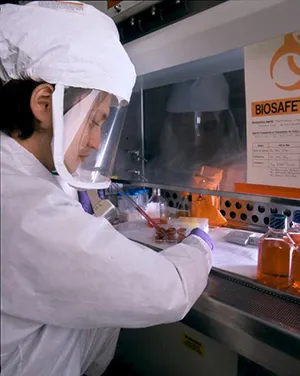
The control of infectious diseases depends primarily on active vaccination as the best enduring method.
Technological Advancements:
• These mRNA vaccine platforms which Pfizer-BioNTech and Moderna developed achieved unprecedented operational speed when responding to COVID-19.
• Research shows that both viral vector vaccines and protein subunit vaccines provide the capability to handle various pathogens.
• The preclinical development stages have become faster due to reverse vaccinology and AI-driven methods used to identify antigens.
Key Industry Strategies:
• A system of rapid-response vaccines should be created through the development of viral-family-specific vaccine libraries.
• The establishment of global mRNA manufacturing complexes should occur to decrease reliance on single manufacturing facilities.
• Cold chain infrastructure development must receive funding support from governments most especially in locations with limited resources.
Collaborations:
Industry-wide vaccine equity and development depends heavily on the combination of Gavi and the Coalition for Epidemic Preparedness Innovations (CEPI).
4. Enhancing Therapeutic Interventions and Drug Repurposing

Immediate therapeutic alternatives must exist since vaccines frequently fail to materialize swiftly after a pandemic emergency occurs.
Approaches:
• Repositioned drugs enable healthcare providers to utilize currently available medications including Remdesivir for treating COVID-19 cases.
• Patients who receive REGN-COV2 monoclonal antibody treatment respond well to treatment during the initial stages of COVID-19 infection.
• Antivirals together with host-directed therapies require immediate innovation development.
Industry Perspective:
• Protecting broad-spectrum antiviral drugs should be an ongoing practice for pharmaceutical companies.
• Open-access platforms should be established through collaborative efforts between academic institutions for compound screening purposes.
• AI-enabled drug discovery platforms operating at BenevolentAI and Insilico Medicine should be considered.
5. Integrating One Health Approach
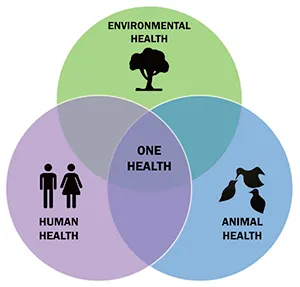
Under the One Health model, human health depends on the wellness of animals and environment.
Why It Matters:
A majority of 75% of newly detected infectious diseases stem from animal sources.
Industry Role:
• Crossover surveillance between the agri-tech, veterinary and pharmaceutical sectors should become a standard practice.
• Fresh strategies need implementation to establish biosafety guidelines during livestock farming operations.
• Environmental monitoring systems need funding to detect pre-emptively the spillover of infectious diseases during early events.
Case Study:
Strong human-animal-environmental health collaboration established by Malaysia and India led to the control of Nipah virus outbreaks.
6. Strengthening Health Infrastructure and Access

Challenges in Low-Resource Settings:
• Limited access to healthcare.
• Weak laboratory capacity.
• Inadequate health workforce and training.
Strategies for Industry:
• The organization should cooperate with governments to establish mobile diagnostic systems and telemedicine infrastructure.
• The support of local manufacturing facilities for essential supplies must be established.
• You should provide training to local staff about biosafety together with emergency response protocols.
Public-Private Synergies:
The public health capabilities benefit from industrial collaborations exemplified through PEPFAR and Global Fund.
7. Investing in Supply Chain Resilience

Supply chain disruptions will damage outbreak responses according to observations during the pandemic of COVID-19.
Industry Best Practices:
• The organization should build multiple supplier networks while establishing area-based production centers across regions.
• The implementation of blockchain technology enables organizations to track their inventory bases in real-time.
• The establishment of strategic reserves should include PPE along with reagents and APIs.
Suppliers that used two sources for their pharmaceutical procurement responded better when shortages of supplies occurred.
8. Utilizing Digital Health and Telemedicine
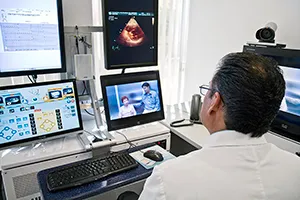
The identification of diseases together with their management and control processes have both benefited from digital technological improvements.
Emerging Technologies:
• AI-based symptom checkers and chatbots for triage.
• The implementation of digital contact tracing apps helps control disease spread.
• Remote monitoring tools provide healthcare management through digital systems to individuals placed in quarantine.
Industry Implementation:
• Tech providers need to partner with healthcare organizations for developing data-sharing systems.
• Businesses must maintain secure data protection together with privacy regulations for GDPR and HIPAA.
• Through machine learning technology healthcare organizations can forecast disease outbreak behavior.
9. Regulatory and Policy Alignment

Businesses need to work with government regulators alongside policymakers for achieving faster responses to emerging situations.
Recommendations:
• Establish emergency regulatory pathways globally.
• Harmonize cross-border clinical trial regulations.
• The government should provide funding opportunities and tax benefits to accelerate R&D activities for neglected tropical disease prevention.
Role of Industry Associations:
Pandemic readiness policies are fundamentally defined by PhRMA and IFPMA and their allied groups.
10. Fostering Global Collaboration and Information Sharing

Every nation along with all business sectors needs partnership to address emerging infectious diseases.
Collaborative Frameworks:
• Organizations need to participate in genomic surveillance systems operated by GISAID.
• Organizations should join open-science programs to provide access to trial results.
• The programs should include support for joint preparedness simulations and exercises.
Outcomes:
Emergency response functions at an accelerated pace while eliminating redundant efforts because organizations join forces globally.
Conclusion
Preventing emerging infectious diseases requires collective action between public health and industries since it amounts to both societal and industrial obligation. Businesses in the industry have to establish multifaceted and preemptive measures for diagnostics and therapeutics as well as supply chains and digital technology to build robustness when future outbreaks occur.
Success depends on three key elements which are partnerships alongside innovation and readiness. The increasing frequency of worldwide pandemics creates an immediate necessity for coordinated industrial response from global health systems.