
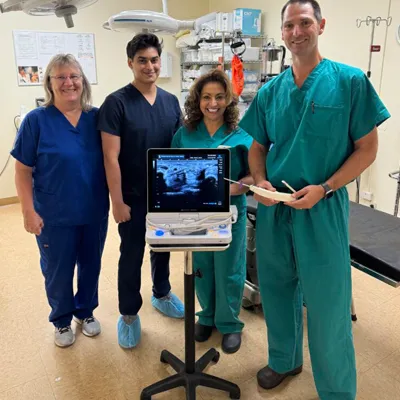
Orthopedic surgery is undergoing a transformative period because medical providers implement innovative B2B technological solutions to deliver enhanced healthcare services with superior patient results. Orthopedic surgery has emerged as a key technology application point for precision care delivery because medical professionals continue to demand better accuracy and patient-centered services in both surgical and non-surgical patient processes. B2B technology solutions are multiplied their importance in patient journey improvement by advancing preoperative planning and enhancing postoperative patient recovery.
The Role of B2B Technology in Orthopedic Surgery
B2B technology adoption demonstrates robust dynamics in the healthcare industry and orthopedic surgery represents an active segment for such implementation. Healthcare providers access high-quality evidence-based care through tailored software products combined with hardware systems along with integrated programs that companies provide.
New healthcare technologies provide both precision capabilities and lower human mistakes alongside enhanced professional teamwork that results in better patient treatment across whole treatment stages.
1. Surgical Planning and Precision
The medical industry has seen an important transformation through advanced imaging technology because 3D imaging systems allow orthopedic surgeons to create better surgical plans. Healthcare businesses through B2B solutions supply advanced visualization tools which help surgeons generate detailed specific surgical plans for individual patients. The advanced solutions enable practitioners to conduct better diagnoses and see bone structures easily and carry out precise surgical procedures. Before entering the operating room surgeons benefit from virtual procedure simulation through which they examine complex anatomical features of their patients.
Technology examples such as computer-assisted navigation systems together with robotic surgery platforms both deliver ongoing analysis and surgeon feedback to achieve exact alignment in procedures involving joint replacements or spinal treatments. Through enhanced accuracy these medical systems decrease the chances of adverse events and shorten healing periods for patients.
2. Minimally Invasive Techniques
B2B technology solutions are enabling minimally invasive orthopedic procedures to rise as they bring numerous operational benefits over conventional approaches including lower incision size and fewer scars together with accelerated recovery times. Robotics platforms consisting of robotic arms with precise guidance enable surgeons to execute advanced surgeries with great accuracy. By reducing harm to adjacent body tissues these medical technologies produce patients who experience lower discomfort and stay in hospitals for shorter periods.
Companies that provide B2B solutions for robotic surgery enable surgeons to integrate pre-operative planning software with imaging data for mapping the most appropriate surgical strategy in each case. The use of automated orthopedic procedures through these systems manages to improve clinical outcome performance and maintain exceptional medical standards.
3. Patient Monitoring and Data Analytics
Orthopedic care experiences better outcomes from B2B technology assistance in patient monitoring along with data analysis capabilities. Real-time tracking of patient progress occurs through healthcare provider-connected devices together with monitoring tools for patients before and after they leave the hospital.
The solutions provide ongoing feedback regarding joint motion assessments and pain signals and mobility measurements which enables health professionals to initiate prompt interventions at suitable periods.
Data analytics platforms use large datasets to identify patterns for outcome predictions in patients. B2B technologies assess post-surgical complications through patient data analysis that includes examination of medical history records. The predictive model allows healthcare practitioners to implement advance action which improves surgical outcome quality while protecting patient safety.
4. Supply Chain Optimization and Inventory Management
The practice of orthopedic surgery requires multiple essential implants and prosthetics and surgical instruments. Managing the supply chain efficiently becomes key to secure essential materials during their required time. Automation-based B2B solutions improve inventories through smart delivery systems as well as monitor supply activities and predict demand patterns to reduce operational expenses. Surgical material delivery and quality control together with inventory management and waste reduction is achieved through automated systems.
The surgical efficiency improves when these solutions provide proper equipment availability and prevent delays which would otherwise create complications for each patient. Hospital costs decrease while waste levels decrease and patient care enhances through fewer interrupted procedures in the surgical schedule.
5. Post-Surgery Recovery and Rehabilitation
The period dedicated to post-surgical recovery stands equally important with the actual surgical procedures for orthopedic patients. Medical technology serving business-to-business purposes now enables customized care programs and continuous patient performance oversight in rehabilitation practices. Modern emerging technologies such as virtual rehabilitation platforms together with robotic exoskeletons and AI-driven fitness applications help patients improve their recovery process.
Patients can access constant rehabilitation progress tracking through digital platforms that establish remote connections between themselves and physical therapists. A combination of gamified exercises together with virtual sessions determines patient engagement in their recovery programs which results in better post-surgical outcomes.
AI systems handle patient data evaluation which allows them to modify recovery protocols immediately to deliver optimal rehabilitation care for proper patient recovery pathways.
Key Benefits of B2B Technology in Orthopedic Surgery
1. Improved Surgical Accuracy: Surgical techniques benefit from robotic systems and 3D imaging technologies which enhance precision therefore generating positive treatment results while decreasing medical complications.
2. Faster Recovery Times: Healthcare technology advances together with rehabilitation tools quicken patient healing processes so patients stay in hospitals for shorter durations before continuing regular activities.
3. Better Patient Engagement: Digital post-surgical platforms offer patients better participation in their rehabilitation through which they enhance their treatment adherence.
4. Cost Reduction: Through efficient inventory control and minimum complication prevention B2B technology solutions decrease total costs which orthopedic surgeries incur.
5. Data-Driven Decision Making: Through advanced data analytical methods healthcare personnel gain enhanced clarity about patient medical decisions which drives better decisions for surgical operations and patient recovery while boosting long-term results.
The Future of B2B Technology in Orthopedic Surgery
Orthopedic surgery will benefit from increased AI implementation with machine learning and real-time data analytics during future technological advancement periods to optimize patient care. The progression of personalized medicine and advancements in biomechanical data and genetic information provide opportunities to develop treatment plans which specifically address individual healthcare needs.
Time-based monitoring systems created by device and wearable technologies will enable direct feedback which triggers interventions along with continuous patient assessment. B2B technology solutions and orthopedic surgery will together advance healthcare through better clinical results and operational performance which will define medical care's future direction.
Conclusion
The modern orthopedic surgery field has benefited radically from B2B technology solutions which produce both superior precision along with rapid patient healing combined with excellent medical results. Healthcare providers who leverage advanced technologies will be able to provide maximum care quality following patients from beginning to end of their medical experience.