
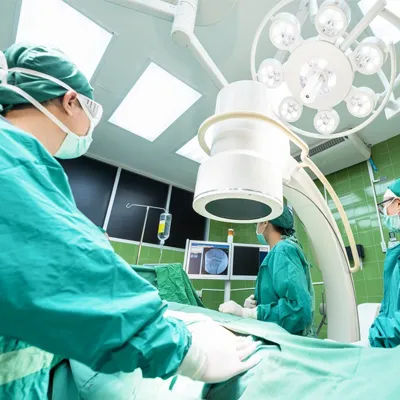
The field of neurosurgery dedicated to nervous system disorder diagnosis and treatment along with recovery has experienced substantial transformation throughout the past few decades. Image-guided minimally invasive surgery joined traditional open surgeries under a new vision where the health field leads technological advances in clinical neurosurgical practice. The latest neurosurgical technological advancements improve both the accuracy of surgery and postoperative recovery period as well as long-term medical results. The research investigates the leading transformations in neurosurgery alongside their effects on medical sectors.
The Evolution of Neurosurgery
The field of neurosurgery carried substantial dangers throughout its history because surgeons needed to work without sufficient visualization and lacked accurate instruments in addition to operating on the intricate nervous system. The healthcare field began with basic trepanation procedures from ancient times but advanced to contemporary sophisticated surgeries with real-time imaging systems that incorporate robotic assistance. The surgical field underwent transformative changes following three historical developments starting from the operating microscope introduction in 1950 up to the MRI and CT imaging emergence in 1970 with endoscopic techniques becoming popular in 1990.
Neurosurgeons today work in a highly technologically sophisticated environment because they treat disorders like brain tumors combined with brain injuries and epilepsy and strokes and neurogenerative disorders.
Key Innovations in Neurosurgery
1. Minimally Invasive Techniques
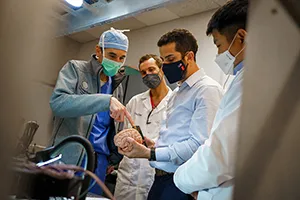
Minimally invasive neurosurgery (MIS) employs small incisions along with endoscopes and specific surgical instruments to minimize patient tissue damage at present-less recovery duration. The medical practice has seen a rise in endoscopic transnasal surgery for treating pituitary tumors as well as keyhole craniotomies for brain tumor patients.
Benefits:
• Less post-operative pain
• Shorter hospital stays
• Reduced risk of infection and complications
• Faster return to daily activities
2. Robotic-Assisted Surgery
Medical robots consisting of ROSA Brain and Mazor X provide essential support during neurosurgical operations. Laparoscopic tools consider improvements in surgical accuracy and postural stability during complex spinal as well as cranial operations.
Applications:
• Deep brain stimulation (DBS)
• Stereotactic biopsies
• Spinal fusions
Advantages:
• Reduced human error
• Improved surgical planning
• Enhanced consistency in outcomes
3. Image-Guided Neurosurgery
The fusion of CT and both MRI and intraoperative imaging enables surgeons to obtain live three-dimensional surgical navigation. Surgeons benefit from three technologies namely neuronavigation and intraoperative MRI and augmented reality which provide them with lesion localization features and critical structure avoidance abilities during surgeries.
Key Benefits:
• Increased accuracy
• Preservation of functional tissue
• Real-time feedback during surgery
4. Artificial Intelligence (AI) and Machine Learning
Artificial intelligence technology is developing new instruments that help healthcare professionals with preoperative planning and diagnosis and postoperative care procedures. The analysis of imaging information through algorithms helps healthcare providers identify diseases as well as anticipate operation results and produce individualized care programs.
Notable Use Cases:
• Tumor segmentation and classification
• Predictive analytics for surgical risk
• Automated monitoring of neurological functions
5. Neurostimulation and Neuromodulation
The medical field has transformed brain disorder and pain and epilepsy treatments through the application of deep brain stimulation (DBS) and spinal cord stimulation (SCS) and vagus nerve stimulation (VNS) techniques.
Impacts:
• Significant symptom relief for Parkinson’s and essential tremor
• Non-pharmacological pain management
• Reduced seizure frequency in refractory epilepsy
6. 3D Printing and Personalized Implants
The use of 3D printing allows medical staff to generate personalized anatomical models together with customized implants for patients. The medical innovation provides enhanced surgical planning opportunities so doctors can achieve better anatomical match and functional results.
Applications:
• Cranial and spinal implants
• Surgical guides
• Educational models for patient and trainee understanding
7. Telemedicine and Remote Surgical Support
The combination of telehealth systems and augmented reality features now permits virtual surgical meetings at a distance along with teleconsulting for patients. The technology provides significant help to populations who reside in remote places without enough specialist doctors.
Advantages:
• Greater access to expert care
• Real-time guidance during critical procedures
• Enhanced post-operative follow-up
Clinical and Economic Benefits of Innovation in Neurosurgery
New technologies used in neurosurgery operations brought about notable advancements in medical results for patients.
• Decreased surgical morbidity and mortality
• Lower rates of surgical complications and infections
• Shorter recovery times and hospital stays
The technological innovations boost both operational effectiveness of healthcare systems and economic productivity simultaneously.
• Reduction in re-operation rates
• Lower overall treatment costs
• Improved resource utilization
Patient satisfaction elevated when healthcare providers achieve successful pain treatment and present attractive cosmetic outcomes together with shorter recovery durations.
Challenges in Implementing Neurosurgical Innovations

The majority of communities face many obstacles in adopting these innovative developments.
• High Costs: Practices requiring intraoperative MRI and robotic systems must invest large amounts of capital before implementation.
• Training Needs: Healthcare teams together with surgeons must obtain specific training to handle advanced operational system effectively.
• Accessibility Gaps: Lack of necessary medical facilities exists in rural locations and poverty-stricken areas which prevents them from obtaining modern surgical treatment options.
• Regulatory and Ethical Concerns: Patient safety along with protecting data privacy through AI applications and ensuring equitable medical access constitute the main healthcare problems.
Future Trends in Neurosurgery
Multiple advancements will form the basis for the future development of neurosurgery through the following patterns:
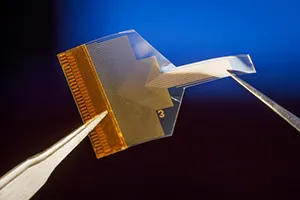
• Smart Implants: Medical implants subject to real-time monitoring for pressure data and patient movement and biological healing through embedded sensors.
• Virtual Reality (VR) in Surgical Training: Medical educators create complex procedures through VR tools for educational practice and talent development.
• Biological Therapies: Scientific research continues to study how gene therapy alongside stem cells and neuroregenerative therapies manage cases of spinal cord injuries and neurodegenerative diseases.
• Blockchain for Health Data Management: Healthcare organizations must provide safe along with transparent ways for users to gain access to patient medical information.
• Global Collaborative Networks: Cloud-based systems help global teams join forces for complicated case planning as well as research activities.
Conclusion
The healthcare industry undergoes significant transformations because of newly developed neurosurgical innovations. Modern neurosurgery benefits from robotic systems AI technology and minimally invasive procedures to supply healthcare providers with their best capabilities to ever for patient treatment. Strategic investments into medical research along with education programs and healthcare development should be sustained because they will guarantee that life-saving medical innovations reach all patients worldwide despite current cost and accessibility issues. New advancements in neurosurgery will continue to transform the limits of medical possibilities over the next decades of modern medicine development.