

Modern medicine experiences the highest level of professional difficulty in performing neurosurgical procedures that require advanced skills and critical results. Neurosurgical procedures that aim to treat brain tumors and back problems and repair vessels provide essential benefits which protect lives and help patients resume normal existence after treatment. Healthcare leaders need to prioritize neurosurgical examination and result assessment as well as outcome enhancement because of the present circumstances.
The value-based care period requires quality metrics to monitor provider performance while promoting both safety measures and operational efficiency for patients. The article explores modern neurosurgical outcome performance coupled with quality assessment metrics that healthcare executives should focus on for sustained advancement.
Why Neurosurgical Outcomes Matter
1. High-Risk Specialty with Life-Altering Impact
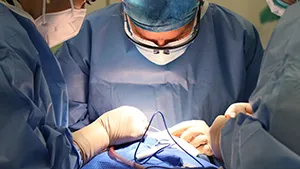
The medical discipline of neurosurgery handles conditions that lead to either conditions where lives are at risk or cases resulting in functional impairment. Minor surgical method changes combined with minor delays in treatment lead to permanent neurological harm and extended hospital stays as well as patient death. Organizations must track neurosurgical outcomes because doing so constitutes both strategic necessity as well as clinical importance.
2. Patient Expectations and Transparency
Modern healthcare patients want clear information regarding their treatment process and the risks of surgery and hospital measurement of performance. Publicly disclosed data has become standard thus hospitals must perform well through successful neurosurgical practice to preserve their image and draw patient volumes.
Key Neurosurgical Quality Metrics
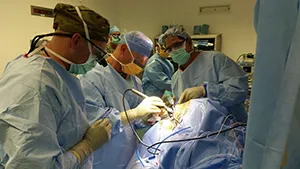
Healthcare leaders need a comprehensive understanding of the metrics that define quality in neurosurgical care. These include:
1. Mortality Rate
The mortality rate remains the essential measurement tool that neurosurgical teams need to monitor in processes handling brain tumors and aneurysms and traumatic injuries. The evaluation includes risk calculations despite which mortality remains a verified and publicly accessible standard.
2. Surgical Complication Rate
Hemorrhage together with infection and CSF leaks and neurological deterioration represent the major complications of this procedure. The quality of perioperative care as well as surgical competence becomes evident through these vital measures.
3. Readmission Rate
Readmissions that happen when patients need to return to the hospital within thirty days normally represent surgical issues and insufficient preparation before the patient leaves or poor postoperative care. Healthcare institutions delivering coordinated care show reduced readmission behaviors.
4. Reoperation Rate
Medical intervention required soon after the procedure needs attention as it suggests poor initial surgery techniques or inadequate patient care. Healthcare administrators need to track this data pattern recognition.
5. Length of Stay (LOS)
Medical procedures of extended length of stay both raise healthcare expenditures while straining available resources. The recovery process suffers from increased infection possibilities that result in worse outcomes.
6. Functional Outcomes
Medical assessment tools including Glasgow Outcome Scale (GOS), Modified Rankin Scale (mRS) as well as American Spinal Injury Association (ASIA) scale serve to evaluate outcomes. The assessment tools evaluate how the patient recovers physically and neurologically during extensive timeframes.
7. Patient-Reported Outcomes (PROMs)
Pain management along with quality of life assessments and postoperative satisfaction efforts have become more important for healthcare. PROMs play an essential role in hospital ranking as well as reimbursement functions through value-based reimbursement systems.
8. Surgical Site Infections (SSI)
A preventable yet serious complication in neurosurgery. Healthcare institutions need to track SSI rates because they represent an essential part of infection control and quality assurance activities.
Benchmarks and Accreditation: Tools for Standardization
Healthcare leaders need to synchronize their facilities to comply with home and international performance indicators. Organizations like:
• National Surgical Quality Improvement Program (NSQIP)
• Society of Neurological Surgeons (SNS)
• American College of Surgeons (ACS)
• National Neurosurgery Quality and Outcomes Database (N2QOD)
These services provide data-based platforms hospitals can use to evaluate their performance relative to other facilities and detect weaknesses for starting quality improvement initiatives.
Leveraging Technology and Data Analytics

1. Electronic Health Records (EHRs) and Predictive Analytics
The integration of neurosurgical outcome tracking systems with electronic health records lets healthcare staff monitor and perform predictions about patients in real time. AI platforms detect patients at risk by generating individual treatment strategies to optimize results.
2. Clinical Decision Support Systems (CDSS)
Medical tools provide surgeons and treatment teams with evidence-based instructions that lower care inconsistencies while reducing both treatment errors and deviations.
3. Telemedicine for Follow-Up
The use of telehealth for postoperative follow-ups enhances patient adherence as well as helps monitor recovery while it detects early indicators of complications thus decreasing hospital admission rates.
Challenges in Measuring Neurosurgical Quality
Healthcare leaders now face multiple barriers in their effort to assess neurosurgical treatment results although progressive improvements have occurred.
1. Case Complexity and Heterogeneity
Every neurosurgical operation has its own unique set of conditions. Among other factors the diagnostic conditions of patients together with tumor positions and types of spinal defects have the ability to affect the results. The use of risk adjustment models ensures appropriate assessments between different patient groups.
2. Data Fragmentation
Database isolation between departments of radiology, surgery, rehabilitation creates obstacles for complete analytical analysis. Interoperable systems are crucial.
3. Underreporting and Coding Variability
Cooperative hospitals minimize complication reporting because they want to avoid penalties or they show unevenness in their ICD codes. The organization needs to create an environment of transparency because it promotes precise reporting practices.
4. Lack of Long-Term Follow-Up
The recovery process for neurosurgical patients extends from several months up to multiple years. True clinical results cannot be measured from short-term metrics so healthcare systems require tools that measure functional health throughout extended periods.
Strategies for Healthcare Leaders to Improve Neurosurgical Outcomes
1. Establish Multidisciplinary Teams
The healthcare team should integrate neurosurgeons with neurologists along with anesthesiologists under the guidance of intensivists and rehab specialists together with nurses to create coordinated patient care.
2. Invest in Surgeon Education and Simulation Training
Operative effectiveness and reduction of errors become possible through surgical simulators combined with peer examination and continuous skill advancement for professionals.
3. Implement Standardized Protocols and Pathways
The medical field should establish proof-based clinical paths for routine treatments like craniotomy procedures along with spinal fusion and implanted shunt operations. The standardized procedures work to reduce differences in treatment approaches.
4. Encourage Transparency and Feedback Loops
You should develop dashboards to display live quality metrics. The medical teams should receive access to this data to boost their feelings of ownership while working toward better practices.
5. Patient-Centric Engagement Programs
Presurgical staff must inform patients about their health condition alongside all available surgical procedures and expected postoperative recovery timeline. Mutually involved patients demonstrate greater adherence to treatment which leads to enhanced satisfaction.
6. Audit and Peer Review Systems
Morbidity and mortality (M&M) conferences with internal audits aid both in complication prevention and team learning.
Case Example: Improving Outcomes through a Neurosurgical Quality Program
The Cleveland Clinic launched a Neurosurgical Outcomes Quality Initiative with the main focus on:
• Real-time complication tracking
• Daily multidisciplinary rounds
• Standardized protocols for spine surgeries
• Use of PROMs
These strategic changes led the clinic to achieve a 20% decrease in surgical site infections and a 12% boost in patient satisfaction as well as a decreased LOS that amounted to 1.5 days per patient on average.
Economic Implications of Neurosurgical Quality Metrics
Better outcomes result in financial benefits through these three specific points:
• High-quality outcomes both lead to better payer contract terms and seed research funding especially when medical research takes place at academic medical centers.
• Costs associated with extended hospital stays or ICU care.
• Malpractice claims and insurance payouts.
Moreover, quality outcomes directly influence payer contracts and attract research funding, especially in academic medical centers.
The Future: AI, Robotics, and Personalized Neurosurgery
The future of neurosurgical outcome optimization lies in:
• AI-powered surgical planning tools that use patient-specific data for precision intervention.
• Robotic-assisted neurosurgery for minimally invasive procedures with enhanced precision.
• Medical and surgical care receives personalized treatment through genomics along with personalized therapy that considers individual biological dynamics.
Medical leaders need to develop investments in the new technologies alongside processes for data management and ethical guidelines alongside proficient medical staff education.
Conclusion
Quality metrics in neurosurgical practice represent more than statistical data because they demonstrate a hospital's clinical precision as well as its patient protection environment alongside its chosen direction for growth. Healthcare leaders can improve neurosurgical results by building comprehensive quality assessment programs and facilitating cross-department teamwork and implementing modern approaches.
Healthcare institutions that use patient-focused data-based approaches to neurosurgical treatment will boost clinical performance and build stronger positions for success in the evolving healthcare sector with its increased transparency requirements.