
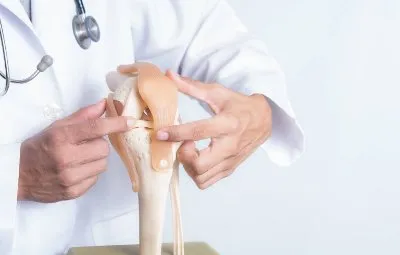
Orthopedic surgery established its history based on manually performed operations yet increasing technological advances drive major changes throughout the practice during recent years. The advancement of leading technological devices now transforms the process of diagnosing and treating musculoskeletal conditions for orthopedic surgeons along with their management of these conditions. The article investigates current advances in orthopedic surgery which affect treatment results and reveals how the medical field will evolve in the near future.
The Rise of Robotic-Assisted Surgery
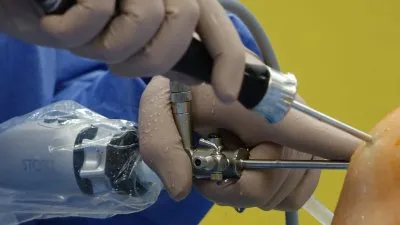
Structures that assist robotic systems have emerged as a major breakthrough which revolutionizes orthopedic surgical procedures. The modern surgical platforms provide an unmatched surgical accuracy to surgeons who conduct complex surgical procedures more effectively.
Two prominent surgical robots have entered the orthopedic market specifically targeting joint replacements of the hip and knee such as MAKO™ by Stryker and Navio™ by Smith & Nephew. The technology enables surgeons to execute surgeries with 3D imaging because it provides precise guidance for implant installation.
Robotics in surgery enable physicians to work with smaller cuts while achieving procedures suitable for individual patient body requirements and leading to accelerated patient healing.
The process automation enables surgeons to focus on fundamental components of surgery because robots execute complex movements thereby minimizing errors in addition to standardizing surgical results. Patients gain multiple advantages after their procedures since they have better pain control along with fewer complications while they recover more quickly.
Minimally Invasive Techniques: Precision with Less Trauma
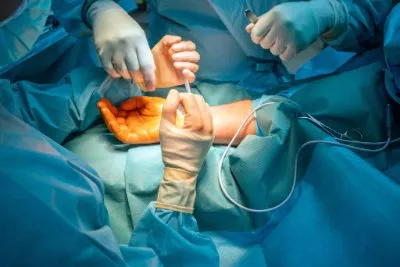
Through the entire history of orthopedic practice, surgeons have strived to create minimally invasive surgery (MIS). MIS provides surgeons access to perform procedures with little damage against surrounding tissues through its combination of small incisions and imaging technologies. MIS techniques decrease patient blood loss and create smaller scars and more efficient recovery processes.
The application of arthroscopic surgery stands as a prime demonstration of innovative technical progress since doctors insert tiny instruments coupled with small cameras through small surgical incisions. Arthroscopy represents an essential surgical technique which enables the treatment of knee and shoulder and ankle injuries through small incisions without requiring extensive surgical cuts.
The introduction of computer-assisted surgery (CAS) innovation has brought additional capability to MIS procedures. CAS systems utilize contemporary imaging technology to interpret CT scan and MRI data which helps surgeons to position implants accurately while ensuring their correct alignment. The technology provides elevated success probabilities especially when used for spinal surgeries along with difficult joint replacement procedures.
3D Printing: Custom Implants and Surgical Tools

Various orthopedic applications of 3D printing technology have helped establish advanced practices in individualized medical care. Surgeons gain better surgical planning precision through their use of 3D-printed models which display patient bone structures. When using 3D printing technology for patients needing custom implants patients benefit from precise design elements that deliver optimal function and fit of their devices.
The unique benefits of custom implants become most important for treating complicated fractures along with congenital defects and when performing revision surgeries. Bio-compatible materials such as titanium and biodegradable polymers that 3D printing technology allows creation of helps develop implantable devices suitable for the body while decreasing treatment issues.
Surgical guides and templates made with 3D printer technologies serve as specialized tools which orthopedic surgeons use for individual patient treatment. The advanced level of patient-specific design aims at decreasing medical procedures duration while boosting precision rates along with delivering superior postoperative results.
Artificial Intelligence and Machine Learning: Data-Driven Decision Making

The field of artificial intelligence combined with machine learning techniques modifies the decision-making practices of orthopedic surgeons. Medical data evaluation through AI platforms enables diagnosis support together with treatment design and prognosis predictions of patient results.
AI algorithms analyze X-rays and MRIs to detect both minor bone fractures together with signs of improper joint alignment and preliminary osteoarthritis symptoms. Medical Vision with Zebra and Aidoc provide AI software tools which support medical experts in radiology departments by finding abnormalities physicians might overlook.
Post-operative care effectively utilizes machine learning to preprocess patient data for real-time monitoring of potential complications which include infections or implant failure. The predictive analysis allows medical teams to conduct proactive healthcare interventions before adverse results occur thereby providing better care to patients.
Biologics and Regenerative Medicine: Accelerating Healing
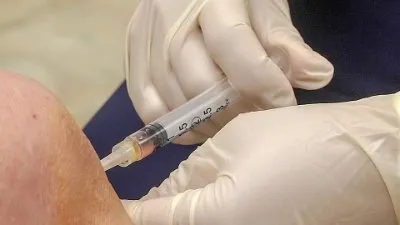
Orthopedic surgery benefits tremendously from modern applications of biologics along with regenerative medicine in its practices. Biologic treatments direct the body’s healing capabilities to mend damaged tissues through joint tissue growth because they eliminate the need for extensive surgery.
The medical field employs Stem cell therapy and platelet-rich plasma (PRP) injections together with growth factor therapies to treat tendonitis and cartilage damage as well as degenerative joint diseases.
Biologic treatments stand out as promising options for patients needing surgical alternatives particularly when joint replacements would bring risks to younger individuals.
Scientists are actively studying gene therapy methods that aim to fix and alter genes which steer bone and tissue regeneration. Scientists are presently exploring regenerative medicine to transform orthopedics since this new approach enables physicians to provide surgical alternatives and cut down extended pain treatment.
Telemedicine and Remote Monitoring: Expanding Access to Care
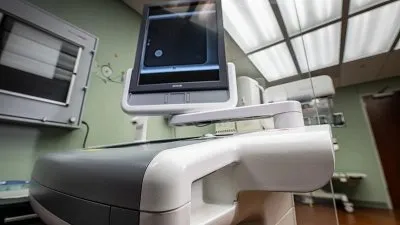
The orthopedic care field undergoes major changes due to the joint development of telemedicine and remote patient monitoring. Through virtual consultation services patients now have the chance to receive orthopedic specialist care within their homes while simultaneously accessing better medical care in regions with limited access.
Orthopedic surgeons can assess medical images and present treatment alternatives and deliver follow-up care to patients through telemedicine services. The remote recovery monitoring capabilities enable patients to self-observe their progress so surgeons obtain current measurements about pain sensations as well as functional and mobility developments. Remote care through telemedicine serves both patients who get better care experiences and medical staff who prevent problems from turning into serious health complications.
The Future of Orthopedic Surgery: A Synergy of Technology and Expertise
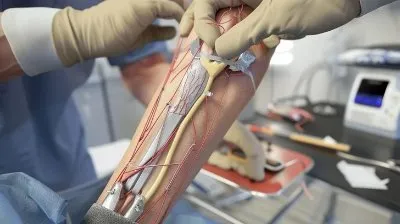
Technology demonstrates an expanding importance for future orthopedic surgery practice. Medical practitioners have many possibilities to enhance clinical results with robotic surgery accompanied by AI diagnostic systems. Adopted technology has advanced orthopedic practices yet expert surgeon skills cannot be replaced. Effective treatment exclusively depends on the combined efforts of human care combined with personalized medical interventions alongside professional medical decision-making abilities.
The next generation of orthopedic surgery will emerge through the perfect alignment of technological innovation together with clinical expertise to provide patients with safer effective treatments which produce faster recovery and superior long-term therapy results.
The next generation of orthopedic surgery will emerge through the perfect alignment of technological innovation together with clinical expertise to provide patients with safer effective treatments which produce faster recovery and superior long-term therapy results.
Orthopedic surgery progresses continuously because it impacts the medical industry and healthcare service delivery while showcasing potential future cooperation between medical technology and healthcare systems for exceptional patient care.
Conclusion
The transformative power of technology extends to full scope in orthopedic surgery practice. The convergence between robotics along with minimally invasive approaches and 3D printing technology and artificial intelligence and regenerative medicine established an innovative era of healthcare for orthopedic treatment which delivers significant advantages for patient care recipients and medical staff. Additional advancements in these technologies will bring about effective and personalized treatments that boost patient quality of life throughout the entire world.