

Wearable technology developed into a transformative healthcare force which changed how patients connect with providers and handle their health while obtaining medical care in the evolving healthcare landscape. The continuous glucose monitoring technology together with smart watch detection of arrhythmias has fundamentally changed how patient-centered healthcare operates.
Wearables started as technological novelties before becoming crucial tools to monitor patients remotely and track chronic diseases and prevent health problems and aid medical staff in their clinical decisions. Wearable technology integration with healthcare systems allows worldwide value-based care transition to bring better patient outcomes and life quality alongside reduced expenses.
The Rise of Wearable Technology in Healthcare
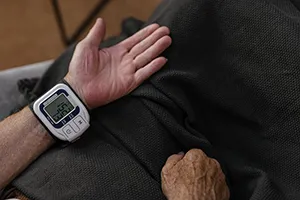
Wearable technology describes electrical devices which patients carry on their body to monitor health data. Medical devices at different levels from fitness monitors, biosensors to implantable monitor vital signs and physical activity as well as sleep patterns and other health parameters.
The fitness trend that consumers first initiated now functions as a vital medical tool in clinical settings. According to market estimates the wearable medical device market reached USD 27.9 billion during 2022 and analysts predict more than 25% annual growth through 2030. The market expansion results from climbing healthcare expenditures and expanding rates of long-term illnesses and patient-centered medical services.
Key Applications in Modern Healthcare
1. Remote Patient Monitoring (RPM)
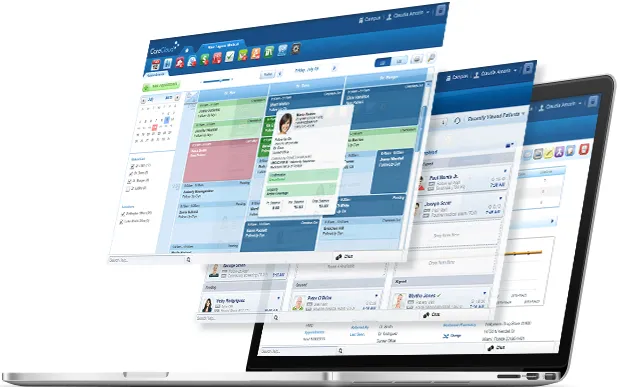
The-monitoring-of-patients-remotely-stands-as-one-of-the-most-widely-used-wearable-applications. Through RPM clinicians can monitor patient health information instantly while apart from conventional healthcare facilities.
Wearables provide continuous health monitoring for patients with heart disease as well as diabetes and hypertension thus decreasing their necessity to visit medical sites regularly.
ECG monitors that patients wear on their bodies detect arrhythmias alongside atrial fibrillation so they and their healthcare providers reach appropriate preventive measures on time. Patients with diabetes gain control over their insulin management by using continuous glucose monitors (CGMs) to receive live blood sugar readings.
2. Early Diagnosis and Preventive Care

Early diagnosis as well as preventive healthcare exists due to the crucial capabilities of wearable technology. Medical devices powered by AI algorithms and machine learning systems identify slight biological alterations which prompt users to obtain prompt healthcare advice before medical conditions amplify.
Smart watches which contain sensors monitor irregular heart rhythms and blood oxygen drops alongside temperature anomalies that suggest possible infection or heart problems. The early warning system enables better prevention strategies which help decrease instances of hospital stays and long-lasting complications.
3. Chronic Disease Management

Prolonged condition management becomes easier when patients receive continuous information through wearable devices which gives them specific feedback. Exceptional wearables enable the tracking of medication utilization and symptoms along with environmental factors that affect patients who have asthma, COPD or arthritis conditions.
Pulmonary function monitoring of COPD patients is being enhanced by increasingly popular respiratory rate and oxygen saturation measuring wearable patches. The devices transmit data to clinical staff who make personal adjustments in treatment while delivering quick response interventions.
4. Post-operative Recovery and Rehabilitation

The wearable devices deliver multiple advantages throughout post-operative patient recovery. Healthcare teams enabled by wearable medical devices acquire information about patient recovery through remote patient status checks of mobility patterns, sleep duration and heart functions and pain indicators. Exoskeleton devices together with motion detectors help improve rehabilitation results during recovery steps for stroke and orthopedic surgery patients.
5. Mental Health and Sleep Monitoring

Medical devices that monitor mental health progress gained prominence when developed to assess patient stress levels and their sleep habits and emotional state. The combination of devices which monitor heart rate variability along with electro dermal activity and sleep quality allows users to understand their mental condition better and seek immediate assistance.
Technology companies and new startups are developing wearable technology to address anxiety management and depression and PTSD implementation through fusion of behavioral science and biometric monitoring techniques.
Data-Driven Personalization and Clinical Decision-Making
Procedures involving wearable technology lead to the collection of numerous real-time measurements which specifically relate to individual patients. Through integration with EHRs and AI platforms this patient-specific data turns into an invaluable asset for predictive analytics ventures and risk stratification procedures as well as personalized therapeutic approaches.
The ongoing transmission of biometric data allows clinicians to achieve better decision-making abilities. The availability of objective extended health data from patient daily life allows healthcare providers to replace their dependence on periodic examinations and symptom self-reports.
Wearable ECG data enables cardiologists to search for warning patterns that could be followed by heart attacks. Endocrinologists track glucose patterns to achieve better results when determining insulin treatment. Live monitoring enables providers to deliver anticipatory healthcare activities which replaces traditional delayed treatment practices.
Enhancing Patient Engagement and Health Literacy
Better health results depend heavily on patient involvement which wearable technology helps to promote. Patients achieve health empowerment through their access to modern healthcare data and real-time feedback which makes them active healthcare travelers.
Mobile application platforms and wearables deliver accessible information feedback to patients while supporting their health objectives through motivational triggers that aid both medication use and hydration needs and exercise routines. The combination of personalized user experiences with gamified features creates better motivation and adherence among users who belong to the tech-savvy younger generations of patients.
Wearables eliminate communication obstacles that exist between health care providers and their patients. Through virtual consultations patients have the ability to transmit real-time data which makes telemedicine both more accurate and efficient.
Integration Challenges and Barriers to Adoption
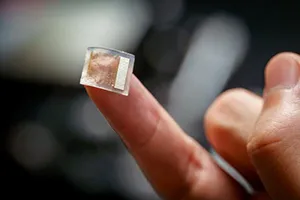
Several challenges impede the full-scale use of wearable technology for healthcare applications despite their great potential benefits within the field.
1. Data Privacy and Security
The collection and transmission of sensitive health data raise valid concerns around privacy, security, and regulatory compliance. Patient information privacy demands that wearable devices meet the standards defined by U.S. HIPAA regulations together with GDPR guidelines from Europe and complementing data protection rules. Trust development between users needs encryption methods along with secure API technology and full disclosure about data usage rules.
2. Data Overload and Integration Issues
Wearable data volumes become cumbersome for providers unless their medical institutions establish proper management protocols. A system which integrates perfectly with hospital networks and clinical workflows and EHR requires top priority for effective utility. The clinical value of wearable data risks reduction when institutions lack suitable methods for filtering and visualizing and aggregating collected information.
3. Accuracy and Clinical Validation
The range of wearable devices exists at different levels of ability to fulfill their purposes. The accuracy standards required for medical diagnostics exceed what consumer-grade wearables provide due to their limited medical precision. The manufacturers of clinical devices must perform extensive tests followed by FDA/CE certification requirements and keep their devices calibrated.
4. Digital Divide and Accessibility
The advantages of wearable healthcare technology do not extend to underserved populations because they lack access to affordable devices and reliable internet and lack necessary digital skills. The deployment needs to be equitable through inexpensive devices while implementing multilingual menus in addition to well-directed educational campaigns to maintain inclusion.
Regulatory Landscape and Future Outlook
Worldwide governments together with healthcare authorities understand the worth of wearables which led them to create new policies for integration. The U.S. FDA operates under its Digital Health Innovation Action Plan during which it expedited multiple wearable medical devices to market approval status.
Wearable technology will migrate toward forming integrated network systems which replace independent devices in the coming years. The combination of AI IoT blockchain technologies will lead to decentralized intelligent and secure health network creation.
Scientists are currently creating three emerging healthcare devices including smart contact lenses which track intraocular pressure and ingestible sensors for drug adherence monitoring as well as biometric tattoos for electrolyte assessment. With 5G technology and edge computing future wearables will give immediate accurate data while maintaining low delay times.
Conclusion: From Reactive to Proactive Healthcare
Wearable devices serve as more than an improvement because they function as readiness boosters that direct medical services toward innovative and tailored prevention and proactive programs. The real-time data accessible through wearables provides both patients and providers with improved care services and enables timely interventions that lead to enhanced life preservation.
Digital health systems increasingly rely on wearable technology tools because industry innovation and regulatory standards development combined with interoperability advances. Wearable technology directs healthcare progress toward mobile effective patient care solutions that deliver meaningful and synchronized care delivery.