
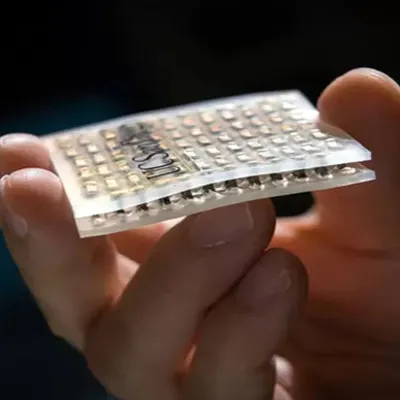
The healthcare evolution toward specific care and 24/7 surveillance created wearable therapeutic devices to emerge as essential therapeutic instruments. Through their compact design, these devices provide healthcare independence to users who thus assume medical control while performing real-time treatments without hospital confinements. Health treatment is shifting to mobile therapy platforms because wearable therapeutic technology enables continuous on-site healthcare solutions for both long-term management and recovery needs.
This article explores wearable therapeutic devices starting from their development and covers different varieties alongside their technological advancements along with all their benefits and challenges and concludes with their prospective applications in medical domains.
What Are Wearable Therapeutic Devices?
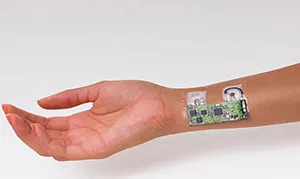
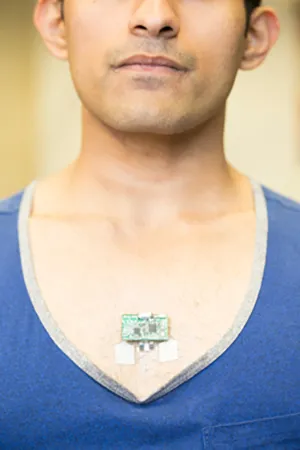
Medical-grade wearable therapeutic equipment allows patients to wear them on their bodies for precise health condition treatment. The functionality of these medical instruments surpasses that of diagnostic wearables because they provide active medical treatments ranging from electric stimulation to drug infusion alongside temperature control systems and mechanical aid.
Common examples include:
• Neuromodulation devices for pain management
• Insulin pumps for diabetes
• Wearable ECGs with defibrillator capabilities
• Transcutaneous electrical nerve stimulation (TENS) units
• Wearable compression garments for lymphedema
The Evolution of Wearable Therapeutics
The technology field of wearable therapeutics transformed from large hospital-based devices into light-weight unnoticeable devices that empower wireless operation. Wearable therapeutics originated from hospital-based settings but the development of microelectronics along with sensor technologies along with wireless connections established their entry into consumer health products and home healthcare.
Modern therapeutic devices become better due to the AI-IoT combination and their ability to provide customized treatment from real-time data collection.
Categories of Wearable Therapeutic Devices
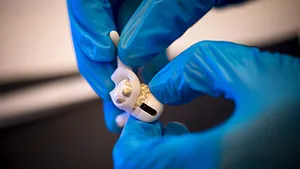
1. Neurological Wearables
The Cefaly and Relivion devices apply electrical stimulation to migraine patients and people with depression or epilepsy. The wearable technology administers brain signal control to minimize people's need for pharmaceutical treatments.
2. Cardiac Therapeutic Wearables
The ZOLL LifeVest monitors ECG patterns constantly while also detecting dangerous arrhythmias to deliver automated defibrillation therapy like a portable defibrillator device.
3. Diabetes Management Devices
Patients get improved glucose management and independence through insulin pumps connected to continuous glucose monitors such as Dexcom or Medtronic MiniMed which provide immediate blood sugar testing and insulin control functions.
4. Pain Management Wearables
Wearable PEMF (Pulsed Electromagnetic Field Therapy) devices and TENS units use tissue and nerve stimulation to provide a pain relief solution without drugs.
5. Rehabilitation Wearables
Devices like exoskeletons and wearable sensors for gait training help patients recovering from strokes, orthopedic surgeries, or spinal cord injuries.
6. Respiratory Therapy Wearables
Clinical staff use high-frequency chest wall oscillation (HFCWO) smart vests in the AffloVest to help patients with COPD or cystic fibrosis clear their mucus.
Key Technologies behind Wearable Therapeutics
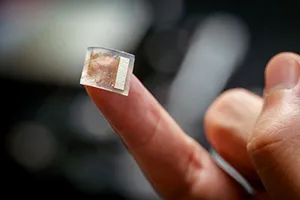
• Sensors & Actuators: The system should measure vital body signals while starting therapeutic treatments.
• Wireless Connectivity: The system transfers healthcare data in real-time to provider networks enabling distant devices for monitoring purposes.
• Battery Efficiency: Extended operation time occurs because of this system's advanced power management feature which reduces recharging needs.
• Machine Learning: The therapy system tailors its approach to treat patients according to their individual pattern data.
• Flexible Materials: The system enables user-friendly designs which fit the body shape and can adjust during physical motion.
Benefits of Wearable Therapeutic Devices
1. Continuous Care: Patients benefit from continuous therapy service while skipping hospital appointments.
2. Improved Patient Compliance: Devices should be comfortable to use and easy to operate because they lead to improved regular use.
3. Cost Efficiency: Improved healthcare economic efficiency results from fewer cases of hospitalization and hospital reentry.
4. Remote Monitoring: Healthcare providers maintain the ability to monitor patient advancement and step in at any crucial moment.
5. Personalized Medicine: The practitioner modifies therapeutic programs by utilizing personalized metrics collected from patients.
6. Faster Recovery: The practitioner modifies therapeutic programs by utilizing personalized metrics collected from patients.
Challenges and Limitations
The implementation of wearable therapeutic devices meets various barriers during their development process.
• Data Privacy & Security: Ongoing data collection from therapeutic devices creates favorable HIPAA requirements and risks to cybersecurity safety systems.
• Regulatory Approval: Products must complete rigorous FDA or CE clearance examinations before their market availability because this process lengthens time to market entry.
• Accuracy and Reliability: Faulty sensors together with device failures prevent effective therapy from working correctly.
• Patient Adaptation: Users who are elderly together with those who lack technical competence often face difficulties operating devices
• Cost and Accessibility: Certain medical devices at high technological levels remain out of reach for several patients because of their expensive nature.
Case Studies and Real-World Applications
• Quell by NeuroMetrix: The device applies neurostimulation to deliver chronic pain relief that users can wear on their bodies. This medical device receives FDA approval through smartphone applications which has made it the top choice for individuals suffering from arthritis as well as fibromyalgia.
• Omnipod by Insulet: This device functions as a tubeless system that administers insulin automatically without injections to achieve increased portability.
• ReWalk Robotics: The wearable exoskeleton maintains independence for people who have become paraplegic through its walking capabilities. Widely used in rehabilitation centers.
• Apollo Neuro: Small oscillations operate on the heart to enhance its variability along with decreasing stress and upgrading sleep outcomes.
Future Trends in Wearable Therapeutics

1. Integration with Telehealth
Modern technology will develop hardware that connects directly to telehealth systems for making virtual appointments in real-time.
2. AI-Driven Personalization
Continuous AI optimization of therapeutic regimens enables device responsiveness to ever-changing conditions thus making these devices smarter and better adapted to their environment.
3. Miniaturization and Comfort
Advanced wearable devices will evolve towards lightweight forms which resemble skin at the same time becoming unnoticeable to users while improving their treatment experience.
4. Energy Harvesting
Electrical devices powered by human motion or temperature variations will eradicate the need for batteries.
5. Biodegradable Wearables
The use of green materials in wearable technology production guarantees environmental sustainability and decreases electronic waste.
Conclusion
Patient-led healthcare advances represent a fundamental change in medical practice since they transition health systems from traditional hospital-bound care to preventive patient-focused care. The developed innovations serve to boost medical outcomes as well as give people greater autonomy to build better health.
Wearable therapeutics will establish themselves as standard equipment for prevention as well as cure because technological progress is improving sensors and algorithms and designing new ergonomic approaches. The on-the-go treatment era will bring enhanced access together with better efficiency for patients globally.