
Early Disease Detection with AI: How Smart Technology is Saving Lives
Kate Williamson, Editorial Team, European Hospital & Healthcare Management
Artificial Intelligence (AI) through its advancements enables the detection of diseases at an early stage to identify cancer along with heart disease and Alzheimer’s, before clinical symptoms occur. The text investigates how modern diagnostic technology surpasses traditional medical systems while simultaneously protecting patients from dangerous illnesses while making healthcare operations more productive. Can AI truly save lives? The article explores how advanced technological systems modify medical practices of the future.
Introduction: Can AI Predict Your Health Future?
A basic medical scan or voice recording can presently detect cancer along with diabetes and heart attacks while patients remain symptom-free. Wouldn't it be revolutionary? AI technology operates today to detect illnesses in record-breaking early stages thus preventing widespread mortality. The method through which AI fulfills this task needs clarification. Traditional diagnostic methods stand as the question whether they present a replacement likely to emerge in future healthcare practices. The following paragraphs explore how intelligent technology influences healthcare industry changes.
The Power of AI in Early Disease Detection
Healthcare AI operations extend beyond digital robots and robotic hospital operation systems. The process depends on intelligent systems which utilize extensive training on vast medical data collections to detect unusual patterns in healthcare information. Medical diagnosis at its early stages creates multiple transformative impacts on healthcare delivery.
1. AI in Cancer Detection: A Lifesaving Revolution
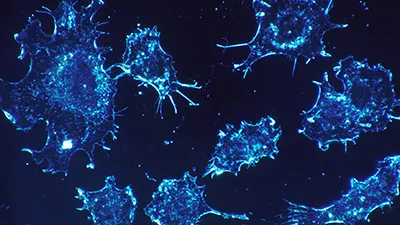
The deadly disease known as cancer proves fatal worldwide, yet patients who detect it early enough experience better chances of survival. The technology revolutionizes medical fields because of its transformative capabilities.
- Breast Cancer: The analysis of mammograms conducted by AI systems exceeds human radiologist performance in detecting breast cancer at an early stage.
- Lung Cancer: Through its AI model, Google detects lung cancer nodules in CT scans at higher accuracy rates than human doctors effectively.
- Skin Cancer: AI-based skin image recognition tools excel in diagnosing melanoma skins cancers with 95% accuracy which surpasses dermatologist capabilities.
AI vs. Traditional Screening in Cancer Detection
| Feature | AI-Based Detection | Traditional Detection |
| Speed | Instantly analyzes thousands of images | Requires manual analysis |
| Accuracy | Higher precision, reduces false positives | Prone to human error |
| Accessibility | Can be used remotely | Needs physical check-ups |
2. AI in Heart Disease Prediction: Preventing Silent Killers
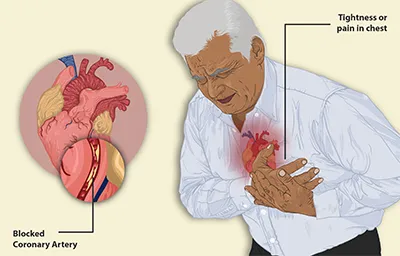
Heart disease functions as a deadly condition without clear indications so it is known by medical experts as a "silent killer." AI is helping in:
- Predicting Heart Attacks: AI models detect imminent heart attacks through ECG analysis combined with cholesterol results and health behaviors documented over many years.
- Monitoring Heart Health: The combination of wearable machines with AI computational power enables smart watches to monitor heart irregularities through detection that alerts users before serious medical situations can harm them.
3. AI in Neurological Disorders: Detecting Alzheimer's Early
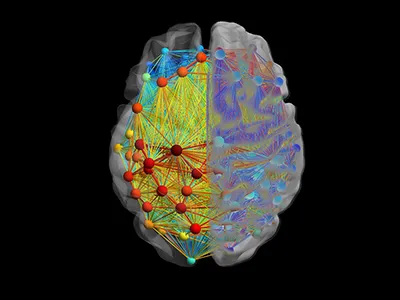
An AI-system has the potential to detect Alzheimer’s disease 10 years before clinical manifestations emerge. Through its advancements, AI has achieved this through various methods.
- Analyzing Brain Scans: AI models use MRI scans to find classic symptoms of Alzheimer's before medical professionals can recognize them.
- Speech & Behavior Analysis: AI obtains predictive indicators of cognitive decline by evaluating voice qualities and monitoring behavioral patterns and speech patterns through analysis.
4. AI in Diabetes & Kidney Disease: Predicting Risks before Symptoms Appear
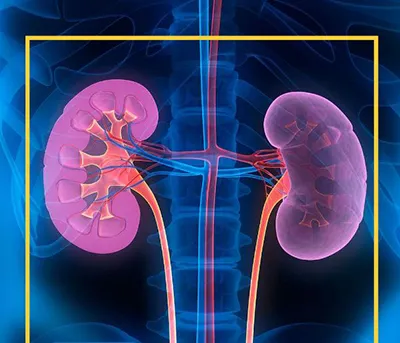
The number of diabetes sufferers reaches in the millions because many patients remain unaware of their condition until medical complications do arise. The use of artificial intelligence brings revolutionary change to diabetes treatment practices in the following ways:
- Retinal Scans: AI technologies conduct retinal scans which evaluate the eyes to diagnose diabetic retinopathy and lower the possibility of blindness.
- Glucose Monitoring: Artificial Intelligence embedded wearables track blood sugar levels to generate early warnings along with necessary life alterations in the present moment.
Forecasting about chronic kidney disease exists through AI models that can identify potential cases, years before diagnosis by combining urine results with blood test outcomes.
How AI Works: The Science behind Early Detection
Learning how AI disease detection operates helps increase user trust in its technology. AI relies on three core mechanisms:
- Machine Learning (ML) – Machine Learning through AI uses immense medical datasets to enhance its accuracy which it achieves by learning from data.
- Deep Learning (DL) – Deep Learning (DL) through artificial intelligence becomes similar to human brain functions to identify unknown patterns across medical imaging and genetic information.
- Natural Language Processing (NLP) – The computer system uses Natural Language Processing (NLP) to examine medical reports together with doctor's notes and patient's speech in order to find early signs of disease.
Real-World Applications: AI Saving Lives Today
AI systems are presently saving lives throughout the world in practice as well as theory:
- Google’s DeepMind: DeepMind from Google used AI to identify acute kidney injury (AKI) before its onset thereby providing medical practitioners with beneficial anticipation time.
- IBM Watson: IBM Watson proved successful in detecting rare leukemia cases which enabled medical personnel to deliver precise treatment strategies.
- MIT’s AI Model: Detected breast cancer up to 5 years earlier than traditional methods.
Ethical Concerns: Can AI Be Trusted?
Although AI transforms healthcare practices it causes specific ethical issues which impact medical practice.
- Data Privacy: The true owner of medical information remains unknown since hospitals and tech companies and patients continue to claim different rights over these data.
- Bias in AI: The misdiagnosis of different populations could potentially occur with AI systems that process biased information during training.
- Job Replacement: AI technology may eliminate medical professionals from practice or serve as their clinical assistant.
AI experts advocate for human doctors to have AI as an enhancement tool rather than taking their jobs. The purpose of using AI as a decision-support system focuses on delivering rapid accurate diagnoses under doctor supervision.
Future of AI in Disease Detection: What’s next?
Machine intelligence continues to progress very fast as new opportunities emerge for the future:
- AI-Powered Blood Tests: AI-powered blood tests need just one drop of blood to diagnose several diseases on the spot.
- Smartphone-Based Diagnostics: Artificial intelligence applications installed on smartphones enable disease analysis through visual photography or vocal recording features.
- Personalized Medicine: Through the use of genetic analysis AI will develop individual treatments that provide better results.
Conclusion: Is AI the Future of Healthcare?
Medical detection capabilities of AI have introduced a revolutionary change to our current version of healthcare. AI serves as an essential tool which assists medical experts but definitely cannot eliminate human medical professionals. AI technology keeps advancing towards making the detection of diseases before they become deadly a reality for future healthcare needs.
Has modern society reached the point where it can accept healthcare driven by artificial intelligence? Our decision will dictate the number of people we can save during the upcoming years.

Kate, Editorial Team at European Hospital & Healthcare Management, leverages her extensive background in Healthcare communication to craft insightful and accessible content. With a passion for translating complex Healthcare concepts, Kate contributes to the team's mission of delivering up-to-date and impactful information to the global Healthcare community.