
Robotic Surgery Breakthroughs: Pioneering a New Era in Medicine
Kate Williamson, Editorial Team, European Hospital & Healthcare Management
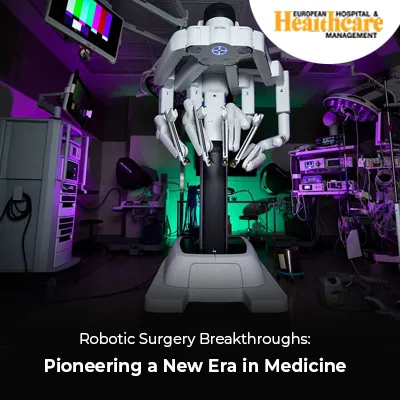
Robotic surgery now changes healthcare delivery thanks to the advanced Da Vinci Surgical System which brings precision safety and minimal invasion to medical treatments. Robotic surgery uses small cuts to benefit patients who heal quickly and experience better results. Surgeons achieve higher precision through Da Vinci Surgical System which operates in three fields of medicine plus minimizes physical tiredness.
Introduction to Robotic Surgery
Modern surgery now has a new and better way of working thanks to robotics. Due to the Da Vinci Surgical System, advanced robots help doctors achieve precise surgical results safely and faster. The modern surgical technique of robotic-assisted surgery, which is also known as minimally invasive surgery, uses robotic machines to let surgeons perform complicated operations through tiny openings in the body, causing much less patient injury while speeding up recovery times. This innovative method transforms how operations happen by letting surgeons perform tasks with better precision than traditional methods.
What Does Robotic Surgery Do?
Robotic surgery offers a multitude of advantages over traditional surgical techniques:
Precision: The robotics we use in surgery help doctors make extremely precise cuts. Modern surgical robots and viewing tools give surgeons the ability to do sensitive operations with perfect accuracy.
Ergonomics: The robot's control system allows surgeons to work without joint and muscle fatigue. The surgery system was built to keep doctors comfortable throughout long operations, which prevents them from making mistakes and guarantees they stay concentrated.
Smaller Incisions: Widespread techniques cut bigger pieces of skin, leading to longer recovery average times. With robot assistance surgeons need small cuts that heal faster and show less scarring to patients.
Faster Recovery: Since the surgery cuts are small and disturb less tissue, patients get better and can move around easier more quickly than with traditional procedures.
Improved Patient Outcomes: The exact nature of robotic surgery produces excellent outcomes for patients because the procedures have fewer side effects and reduced infection risk.
Safety: When surgery uses robots, it provides surgeons real-time pictures and sophisticated robotic tools that help them steer clear of mistakes to guarantee successful surgeries.
Applications of Robotic Surgery
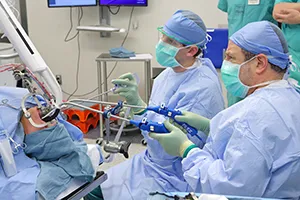
Robotic systems help medical teams across different specialties treat many kinds of health problems. Some of the most common and effective applications include:
- Prostatectomy: Doctors employ robotic instruments to cut out prostate cancer with greater accuracy, lowering the number of side effects for patients.
- Gynecological Surgery: Robot-assisted technology lets the surgical team perform better and safer uterus and endometriosis procedures.
- Urologic Surgery: During kidney and bladder operations robot-assisted tools enable surgeons to achieve highly precise actions when removing kidneys and rebuilding bladders.
- Colorectal Surgery: Robotic systems deliver successful treatments for colon cancer patients by control operations on the sensitive bowel region better than manual tools.
- Orthopedic Surgery: Robotic systems help orthopedic doctors align and position joints correctly during hip knee and shoulder replacement surgeries.
- Pediatric Surgery: Medical robots let doctors perform sensitive surgery on children while protecting their tissues and enhancing their health outcomes.
- General Surgery: More surgeons now use robots to operate on abdominal areas of the body and fix hernias which results in improved healing and reduced post-operative problems.
- Abdominal Wall Hernias: Doctors use robotic surgery systems to fix abdominal wall hernias better because these systems make precise movements that help patients get well faster.
- Joint Replacements: More advanced robotic tools enable surgeons to do joint replacement procedures with better precision which produces better patient outcomes.
Benefits of Robotic Surgery
Robotic surgery offers numerous benefits that enhance both the patient and surgeon experience:
- Smaller Incisions: Minimally invasive tools made for robotic surgery can make cuts in surgery so small that patients recover faster and have smaller scars.
- Reduced Risk of Infection: Minimal cuts help patients avoid dangerous surgical site infections which pose risks during traditional operations.
- Precision: Robotic systems perform operations with greater precision even when working in sensitive areas. The operating robot helps surgeons perform procedures exactly which decreases the risk of making human mistakes.
- Ergonomics: The robot's design elements help surgeons work without discomfort even when they need to perform complex operations. Robotic surgery technology prevents doctor fatigue which helps surgeons deliver top results during complex medical procedures.
- Safety: The use of real-time images combined with error prevention algorithms and surgical robots significantly lowers the possibility of surgical problems.
- Faster Recovery: Robotic surgery causes less damage to the body which speeds up patient recovery. Staying at home and returning to regular daily life happens faster for patients who receive this treatment.
- Personalized Treatment: By using robots in surgeries, doctors can create exclusive treatment plans for each patient to achieve better outcomes.
- Minimally Invasive Techniques: Mechanical interventions during surgery dramatically lower body stress which leads to faster patient healing.
- Shorter Hospital Stays: Patients spend less time in the hospital because robotic surgery procedures need fewer incisions lowering their total healthcare bills.
- Reduced Strain on Surgeons: The robot's natural design helps surgeons stay at peak performance while working longer on complex operations.
- Improved Patient Outcomes: Robotic surgery provides better patient health results by lowering treatment risks and boosting surgical accuracy while shortening recovery periods.
What Is the Most Common Robotic Surgery?
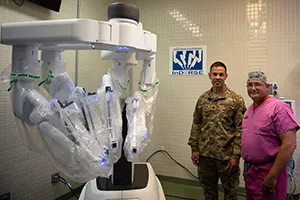
More doctors worldwide choose robotic prostatectomy than any other form of robot surgery for treating prostate cancer. The latest robot technology helps perform accurate prostate cancer treatment through tiny cuts. Robotic surgical teams perform many gynecological procedures like hysterectomy and myomectomy and also treat colon and rectal conditions through robotic prosthetic approaches. Robots enhance the performance of these medical operations through better control.
Is Robotic Surgery Painful?
Robotic surgery produces fewer postoperative discomforts than traditional operations. Your body experiences little tissue trauma during robotic surgery because surgeons make small cuts at specific areas. People recover more quickly from their surgeries and can return to everyday living sooner.
What Is the Difference Between Robotic Surgery and Normal Surgery?
The key differences between robotic surgery and traditional surgery include:
| Feature | Robotic Surgery | Normal Surgery |
| Precision | High precision with robotic tools | Limited by surgeon’s manual dexterity |
| Incisions | Smaller, minimally invasive | Larger, more invasive |
| Recovery Time | Faster recovery and shorter hospital stays | Longer recovery and extended hospital stays |
| Ergonomics for Surgeons | Reduced strain due to robotic assistance | Greater physical strain on surgeons |
| Patient Outcomes | Improved outcomes with fewer complications | Higher risk of complications |
| Technology Utilization | Advanced imaging and robotic systems | Traditional surgical tools |
| Cost | Typically higher due to advanced technology | Generally lower |
Innovations, Trends, and Breakthroughs in Robotic Surgery
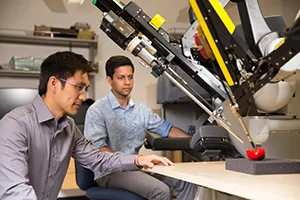
The field of robotic surgery is constantly evolving, and exciting innovations are emerging:
AI Integration: Medical robots use artificial intelligence to enhance both operational choices and production quality.
- Telesurgery: Modern medical tools now let surgeons operate patients from any distant location.
- Microbots: Medical science researchers design smaller robotic tools to treat patients with greater surgical accuracy.
- Wearable Robotics: Surgeons use wearable technology to do their work better and feel less tired during operations.
- Improved Imaging: New generation 3D medical images help surgeons see clearly during operations.
- Training Advancements: Surgeons need robotic system experience so they learn with virtual reality (VR) and simulation tools before starting real operations.
New robotic surgery technologies will enable safer medical procedures that produce better results while becoming available to more patients.
Conclusion:
The medical community is reshaping operations through robotic systems that give patients safer procedures with improved outcomes and reduced scarring. Robotic surgery advances medicine by making operations faster and better while reducing patient recovery needs as this medical tool develops further.

Kate, Editorial Team at European Hospital & Healthcare Management, leverages her extensive background in Healthcare communication to craft insightful and accessible content. With a passion for translating complex Healthcare concepts, Kate contributes to the team's mission of delivering up-to-date and impactful information to the global Healthcare community.