
Why Point-of-Care Testing Is the Next Big Thing in Healthcare?
Kate Williamson, Editorial Team, European Hospital & Healthcare Management
Healthcare patients benefit from precise diagnostic testing provided by Point-of-Care Testing (POCT) near their healthcare setting. Faster decision-making along with better patient results and shorter wait times emerges from this innovation when comparing it against routine laboratory examination procedures. The global healthcare delivery will experience transformation through enhanced adoption of Point-of-Care testing along with upcoming technological developments.
Introduction:
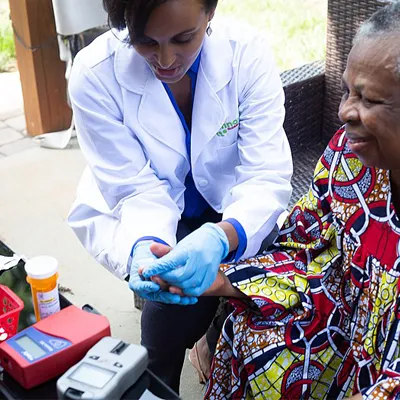
Doctoral practices in diagnostic medicine experience continuous transformation because of modern technological developments in healthcare. Medical practices experience a transformative change because of Point-of-Care Testing (POCT). Medicare diagnostic testing is undergoing revolutionary changes due to Point-of-Care Testing which enables prompt accurate results to be reached directly at patient treatment sites. This care setting evaluation of medical tests represents a core transformation affecting the delivery of healthcare services. The healthcare sector recognizes Point-of-Care Testing as an upcoming revolutionary development that leads the industry. Let’s explore this groundbreaking advancement.
What is Point-of-Care Testing?
It is necessary to define Point-of-Care Testing fundamentals to examine its practical effects. POCT defines testing processes which take place nearby the patient near their current medical situation instead of continuing through central laboratories. The testing produces rapid results which become available within a short time duration instead of relying on laboratory sample transport. Point-of-care testing shortens decision-making time for healthcare providers who then achieve better patient results.
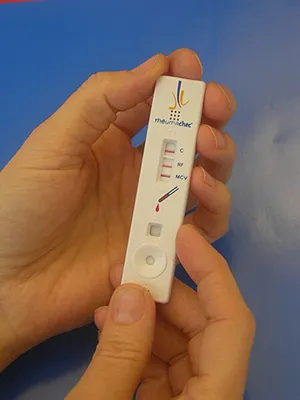
Healthcare personnel can easily perform Point-of-Care Testing tests at hospital or clinic bedsides or directly from their home locations. Patients suffer extended delays from test analysis since medical testing occurs within clinical laboratories that request specimens for laboratory examination. Instant Point-of-Care Testing provides patients with critical answers with no need for time-consuming delivery to laboratories.
What Does POC Mean in Healthcare?
In healthcare, POC stands for Point of Care. This medical terminology specifies the precise delivery site of care directly to patients whether it occurs in doctor offices or emergency settings or provides treatment at their home. Healthcare experiences a transformative evolution through Point of Care Testing because diagnostic tests become accessible throughout patient care settings which reduces diagnostic times as healthcare providers make prompt and efficient therapy decisions.
Near-patient testing and bedside testing represent this method because healthcare providers perform these tests directly at the care location without going to a laboratory.
Examples of POCT Tests
The direct applications of Point-of-Care Testing exist in what purpose? Different Point-of-Care Testing tests include blood glucose measurements together with cholesterol screening as well as pregnancy assessments along with rapid strep investigations. POCT tests allow simple and rapid execution by healthcare staff and in some cases by patients for their own testing. Peculiar glucose meters located near consumers allow diabetic patients to measure their blood glucose levels without needing laboratory facilities.

Self-use point-of-care pregnancy tests enable women to diagnose pregnancy quickly and without revealing their status to anyone. POCT testing includes examinations for detecting influenza and both COVID-19 infections and cholesterol levels in the blood.
What Are the Most Common Point-of-Care Tests?
Blood glucose monitoring stands as the leading Point-of-Care testing method since it has become widespread throughout healthcare facilities. Diabetic patients heavily depend on point-of-care devices to maintain their blood sugar levels. You can now buy point-of-care tests at the market that diagnose both COVID-19 infections and flu infections. Medical staff can verify patient infection status immediately through these tests which results in faster treatment and enhanced patient care.
Emergency care institutions have started using Point-of-Care testing because near the point of care diagnostic testing proves crucial for fast healthcare decisions. The rapid test methods of point-of-care testing provide quantitative results about blood gas analysis and cardiac markers and electrolyte levels immediately where care happens.
Point-of-Care Testing vs Laboratory Testing
The core difference between Point-of-Care Testing and traditional laboratory testing emerges from the rapid testing in point-of-care locations. The samples go to distant facilities where technicians operate whereas result generation occurs over several hours and even reaches multiple days before completion. POCT functions at or near patient locations since results appear within minutes during testing.
User-friendly attributes of POCT tests enable healthcare providers and their patients to carry out testing procedures without difficulty. Point-of-Care Testing provides enhanced convenience compared to laboratory testing because it offers rapid results especially when testing occurs bedside or inside emergency departments.
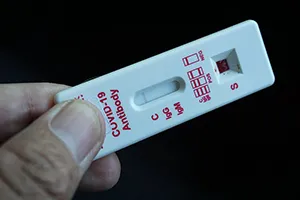
However, there are trade-offs. The advantages of point-of-care testing includes affordable costs and faster results yet lacking total laboratory testing capabilities. Devices used for point-of-care testing require proper maintenance for achieving consistent operational performance.
What Are the Benefits of POCT Testing?
Point-of-Care Testing brings advantages to clinical practice that surpass basic operational speed. Patient care receives substantial enhancement from swift result availability which stands as the critical factor. POCT technology enables healthcare providers to receive quick results which allows them to make prompt treatment decisions that deliver improved patient results. Stroke and heart attack patients often survive due to fast access to diagnostic results which determines whether they live or die.
The implementation of POCT technology lets patients receive results without lengthy extended waiting periods. Emergency healthcare requires quick decisions so this information delivery method becomes essential for such medical environments. The point-of-care testing devices lead to reduced errors throughout the process of sample transport thus providing higher accuracy to patients immediately.
Near to where healthcare service is delivered healthcare workers with basic training can perform tests which decreases the need for specialist laboratory technicians while expanding healthcare access particularly in areas with limited services.
Future of Point-of-Care Testing
Healthcare advancement creates positive prospects for point-of-care testing as it moves toward its future trajectory. The ongoing technological progress in point-of-care testing will lead to the availability of even newer innovative testing devices and methods. The development of new technologies will enhance point-of-care testing sensitivity together with accuracy and testing range to support diagnosis of complicated medical situations.
Clinical laboratories will steadily integrate point-of-care testing systems to establish a model which combines laboratory and point-of-care testing benefits. Chronic disease management through near-patient testing is expected to transform patient healthcare through innovative methods of self-health monitoring.
Point-of-care testing exists in a promising future mainly because of advances in telemedicine combined with home healthcare solutions. The rise of home healthcare management encourages patients to conduct tests with point-of-care devices which help transmit their results to healthcare providers across remote locations.
Conclusion
Point-of-Care Testing transforms healthcare practice by bringing diagnostic testing into faster patient-centered and easier access frameworks. The advancement of Point-of-Care Testing brought together speedier test outcome delivery and enhanced healthcare choices as well as distant patient monitoring to redefine healthcare service methods. The upcoming technological revolution will make Point-of-Care Testing a worldwide essential in medical practices to improve healthcare delivery while delivering better patient results. Point-of-care testing represents the upcoming dominant force in healthcare through its many applications while medical facilities increasingly adopt point-of-care testing devices.

Kate, Editorial Team at European Hospital & Healthcare Management, leverages her extensive background in Healthcare communication to craft insightful and accessible content. With a passion for translating complex Healthcare concepts, Kate contributes to the team's mission of delivering up-to-date and impactful information to the global Healthcare community.